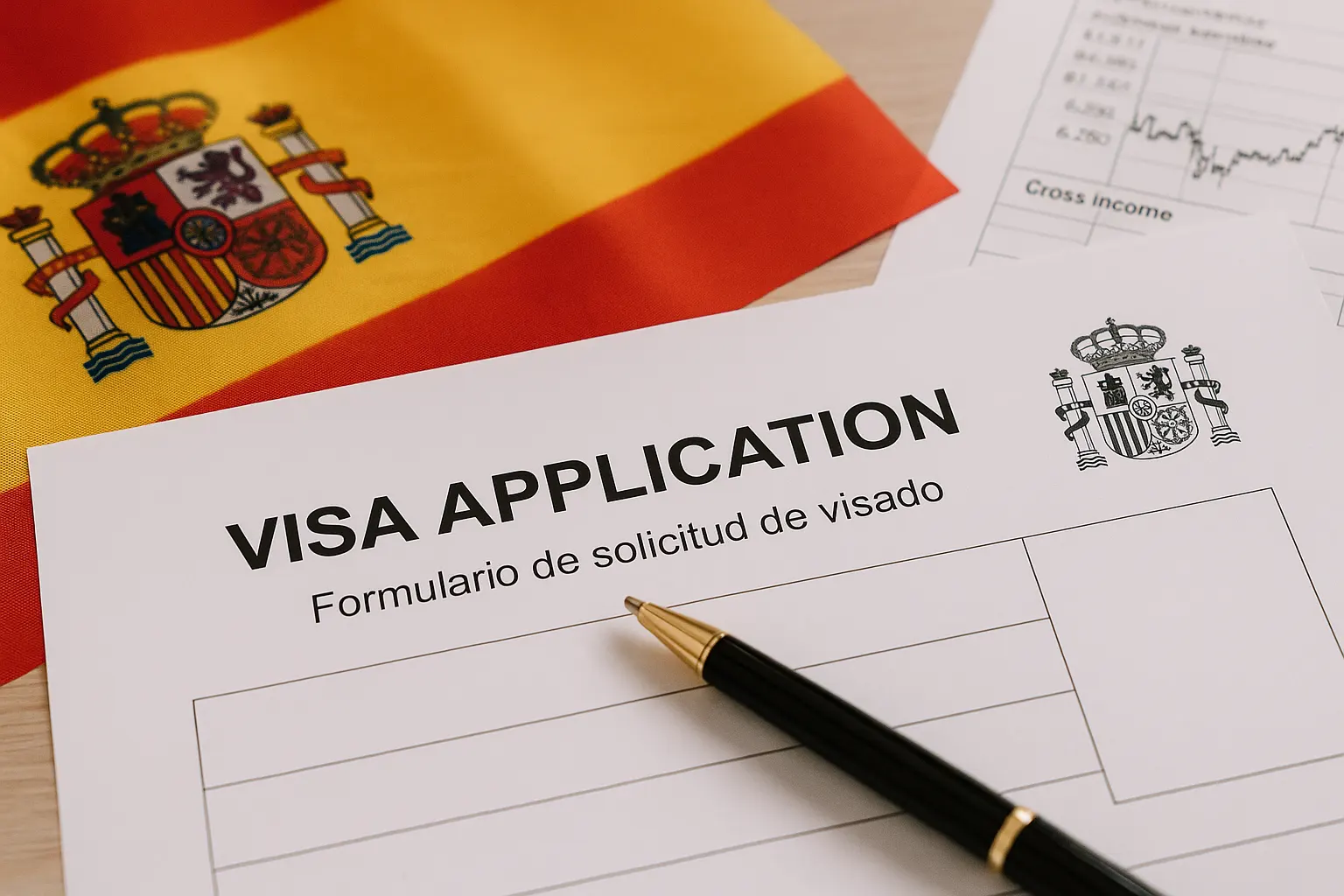

Spain’s Digital Nomad Visa offers a unique opportunity for remote workers and freelancers outside the EU to live and work legally in Spain. This visa supports a flexible lifestyle combined with access to Spain’s vibrant culture, high quality of life, and attractive tax benefits designed specifically for digital nomads.
Two main pathways exist to apply for digital nomad visa Spain:
- From within Spain: Particularly suited for those already staying in Spain on a tourist or other short-term visa. This route allows applicants to transition smoothly without leaving the country.
- From a Spanish consulate abroad: Ideal for applicants applying from their home country or another nation where they hold legal residence.
Key differences between these routes include:
- Visa duration: Applications from abroad grant a visa of up to 1 year; in-country applications lead directly to a residence permit of up to 3 years. Renewals are for 2 years each.
- Convenience factors: Applying within Spain avoids consular appointments and international travel but requires meeting specific eligibility criteria, such as current legal presence in Spain.
- Application process: Consulate applications involve scheduling appointments and submitting documents locally, while in-Spain applications leverage electronic submissions with potential online support.
Questions like can I apply for digital nomad visa while in Spain? or how to apply for digital nomad visa inside Spain? depend on your current status and documentation. Understanding these routes helps you choose the best fit for your circumstances when you want to apply digital nomad visa Spain online or via consulate.
Applying for the Digital Nomad Visa From a Spanish Consulate Abroad
When you decide to apply for the digital nomad visa consulate abroad, understanding the specific requirements and steps involved at the Spanish consulate is essential. This route suits individuals currently living outside Spain who want to start their remote work journey legally from their home country.
Required Documents for Consulate Application
The success of your Spanish consulate visa application depends heavily on submitting the correct paperwork. The digital nomad visa documents consulate checklist includes several mandatory items that demonstrate your eligibility and compliance with Spanish immigration rules.
Key documents required papers nomad visa abroad include:
- Valid Passport: Your passport must be valid for at least six months beyond your intended stay in Spain.
- Proof of Remote Employment or Freelance Activity: Documentation showing you have a stable remote job or freelance business outside Spain, such as:
- Employment contract or freelance service agreement
- Recent pay slips or invoices confirming ongoing work
- Letter from employer confirming remote work status
- Health Insurance Coverage: Full medical insurance valid in Spain covering all risks, including COVID-19 treatment without copayments or exclusions.
- Criminal Record Certificate: Police clearance certificate from your country of residence demonstrating no criminal history in the last five years.
- Proof of Financial Means: Bank statements or income tax returns proving you meet the minimum monthly income threshold (€2,442 per month in 2026).
- Completed Visa Application Form: Filled and signed application form specific to the digital nomad visa.
- Passport-Sized Photographs: Recent color photos meeting official photo requirements.
- Cover Letter: Explanation of your intention to live and work remotely in Spain under this visa category.
The completeness and accuracy of these documents can greatly influence the processing timeline and ultimate approval. Each consulate may have slightly different submission protocols, so double-checking specific local requirements with the nearest Spanish embassy or consulate before applying is advisable.
Visa fees must be paid at the time of application submission, €90 for the national (D) visa, plus reciprocity surcharges for some nationalities. Booking an appointment online to present your application in person is standard procedure in most consulates.
Applying through a Spanish consulate abroad offers clarity on eligibility before arrival in Spain and often grants an initial visa duration that allows entry for one year, with options to renew after establishing residency. The process balances thorough documentation with straightforward submission steps designed to facilitate legal remote work stays for non-EU nationals.
Application Process and Timeline Abroad
Applying for the Digital Nomad Visa at a Spanish consulate abroad involves a clear, structured process:
- Locate the nearest Spanish consulate responsible for your place of residence. This is where you will submit your application.
- Book an appointment online or by phone to present your application and required documents.
- Prepare and submit digital nomad visa documents consulate, ensuring all required papers nomad visa abroad are complete and accurate.
- Pay the visa application fee at the consulate during your appointment. Fee amounts can vary slightly depending on location.
- After submission, the processing time digital nomad consulate typically ranges from 15 to 30 calendar days but may vary based on local demand.
- You will be notified once a decision is made and given instructions on collecting your visa.
This step-by-step guide on how to apply for the visa from a consulate abroad ensures applicants understand each phase of the Spanish consulate visa application and what to expect throughout the timeline.
Applying for the Digital Nomad Visa While Inside Spain
Eligibility to Apply Within Spain
Applying for the Digital Nomad Visa inside Spain presents a convenient option for many remote workers who are already physically present in the country. This route is designed specifically for non-EU nationals who entered Spain legally, typically on a tourist visa or other short-term permission, and now wish to regularize their status by obtaining a residence permit that allows remote work.
Who can apply digital nomad visa inside Spain eligibility? The key eligibility criteria include:
- Legal presence: Applicants must be residing legally in Spain at the time of application. This usually means holding a valid short-term visa or being within the 90-day allowance under the Schengen visa waiver program.
- Age requirement: Candidates must be over 18 years old.
- No criminal record: A clean criminal background check from Spain and any previous countries of residence for at least five years is mandatory.
- Remote work relationship: Proof of ongoing remote employment or freelance activity with a company or clients based outside of Spain for at least three months before applying.
- Income threshold: Demonstrating a minimum monthly income of €2,442 in 2026 (200% of the Spanish Minimum Interprofessional Salary) ensures financial self-sufficiency during stay.
- Health insurance coverage: Comprehensive private health insurance valid in Spain covering all risks without copayment.
- Professional qualifications: Either a university degree or three years of professional experience relevant to remote work activities.
This pathway offers applicants already inside Spain an efficient way to transition from tourist status to legal residency without leaving the country. It simplifies the process by removing the need to coordinate with consulates abroad and reduces waiting times associated with external appointments.
Applicants should ensure their current stay complies with immigration regulations, as overstays could complicate or invalidate applications. The residence permit granted through this process lasts up to three years, is renewable for 2-year periods and eventually allows you to pursue permanent residency.
Understanding these requirements helps clarify who can apply for digital nomad visa spain from within the territory and prepares candidates to gather accurate documentation needed for submission. Staying informed about eligibility specifics empowers applicants to confidently navigate this important step toward establishing their remote working life in Spain.
Required Documents for In-Spain Application
When you apply for the digital nomad visa within Spain, preparing the correct paperwork is essential to meet the applying from inside Spain requirements. The following list outlines the key documents needed to successfully submit your application while being legally present in Spain:
- Valid passport with a minimum of six months’ validity
- Proof of legal residence status in Spain (e.g., valid tourist visa or other permits)
- Evidence of remote employment or freelance activity outside Spain, such as an employment contract or client agreements
- Minimum monthly income proof equal to or exceeding €2,442 in 2026 (200% of the Spanish Minimum Interprofessional Salary)
- Comprehensive health insurance covering all risks in Spain without copayments
- Clean criminal record certificates from Spain and countries of previous residence for the last five years
- University degree or professional experience certificate (minimum three years)
- Completed official application form with recent passport-size photographs
This step-by-step guide on how to apply for the visa while being legally present in Spain ensures you gather all necessary documentation to comply with Spanish authorities and streamline your approval process. Understanding the documents apply digital nomad Spain inside country safeguards against delays and helps confirm eligibility during your submission.
Key Differences Between Applying From Abroad vs Within Spain
When comparing the duration of the Digital Nomad Visa granted through each application route, important distinctions emerge:
1. Applying from a Spanish Consulate Abroad
- Initial visa duration is up to 1 year (not 1 to 3 years); afterwards, a residence permit of up to 3 years can be requested in Spain.
- This route often requires securing the visa before entering Spain, allowing for immediate legal residence upon arrival.
2. Applying from Within Spain
- The initial residence permit lasts up to 3 years (not 1 year), with eligibility for renewals of 2 years each.
- This option suits individuals already present in Spain on a valid tourist or other short-term visa, offering a streamlined process without leaving the country.
Other notable differences include:
- Convenience and timing: Applying within Spain may involve shorter waiting times due to local processing but requires legal presence at application.
- Documentation specifics: Both routes demand similar evidence of remote work and insurance; however, consulate applications might necessitate additional proof of non-EU legal status abroad.
- Tax registration timing: Early registration with Spanish tax authorities can vary depending on entry method.
Understanding these distinctions helps tailor the application strategy to individual circumstances, balancing duration needs and procedural convenience.
After Approval Steps: NIE Number & TIE Card Registration
Once your Digital Nomad Visa is approved, two essential steps follow to legally reside and work in Spain:
- Obtain a Número de Identificación de Extranjero (NIE)
- The NIE is a unique identification number required for tax, legal, and administrative processes in Spain. It serves as your official foreigner ID number.
- Apply for the Tarjeta de Identidad de Extranjero (TIE) Card
- The TIE is a physical residence card proving your legal status as a digital nomad in Spain. You must register at the local police station or immigration office within 30 days of arrival or notification.
These registrations confirm your authorized stay and enable access to public services, banking, and social security. Prompt completion of NIE TIE registration post approval digital nomads ensures compliance with Spanish immigration requirements and smooth integration into life in Spain.
Tax Implications and Benefits Under the Digital Nomad Visa Scheme
Living in Spain as a digital nomad offers distinct tax benefits tailored to remote workers. The visa enables eligibility for a reduced flat tax rate of 24% on Spanish-source income during the first six years of residency, a significant advantage compared to progressive rates that can reach up to 48%. This regime simplifies tax obligations while maximizing savings.
Key points include:
- Access to the Beckham Law tax regime, designed for foreign workers relocating to Spain.
- Potential exemption from double taxation through Spain’s extensive treaty network.
- Eligibility criteria based on residency status and declaration timing.
These tax incentives make Spain an attractive destination for digital nomads seeking financial efficiency combined with quality of life.
Seeking Professional Assistance With Your Application Process (Optional)
Navigating the process to apply for digital nomad visa Spain can be straightforward for some but complex for others. Considering professional help apply Spanish digital nomad visa offers benefits such as:
- Expert guidance on document preparation and eligibility criteria
- Streamlined application submissions through electronic processing
- Personalized advice tailored to individual circumstances
- Increased confidence in meeting all legal requirements
Clients often find that working with experienced immigration lawyers reduces stress and avoids common pitfalls. While not mandatory, professional assistance can save time and ensure your application stands the best chance of approval.