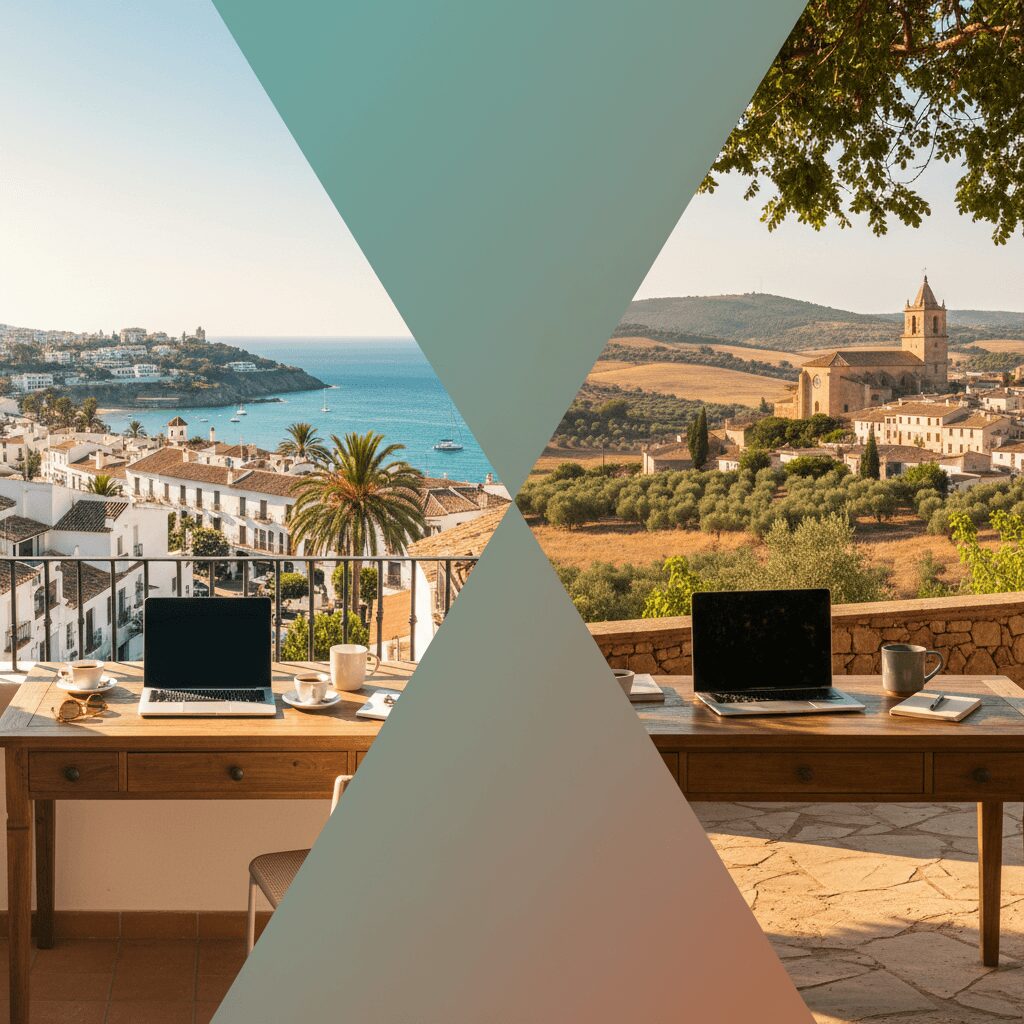


Introduction: Decoding Spain’s Regional Costs for the Digital Nomad in 2026
For the aspiring digital nomad considering Spain in 2026, understanding the intricate nuances of its regional cost of living is paramount. Far from a monolithic economic landscape, Spain offers a spectrum of financial realities, particularly when comparing its sun-drenched coastlines with its historically rich inland territories. This article provides a granular, real-world cost analysis, meticulously dissecting category-specific expenditures that show significant variations between coastal and inland Spain, offering a unique approach tailored specifically for those working remotely.
Our focus in 2026 is on the direct and indirect financial implications for a digital nomad, moving beyond broad averages to highlight where every euro truly stretches further. We will explore how the ‘freshest catch’ premium on the coast contrasts sharply with the ‘farm-to-table’ savings inland, and analyze the often-overlooked benefits of inland stability against the higher, tourism-driven costs of coastal living. Prospective residents will gain invaluable insights into Spain living costs 2026, understanding the precise differences that define the lifestyle cost in each region.
Executive Summary / TL;DR: 2026 Coastal vs. Inland Spain for Digital Nomads
In 2026, digital nomad budgets in Spain will experience notable divergences based on their chosen region. Coastal areas, driven by tourism, generally present higher costs across housing and leisure, with seasonal price surges. Inland regions, conversely, offer a more stable and typically lower cost of living, particularly in long-term rentals and daily expenses.
- Housing: Coastal short-term rentals are volatile and pricey; inland long-term rentals are more stable and affordable.
- Utilities: Coastal areas may incur higher AC costs; inland regions benefit from more moderate climates in terms of overall energy consumption.
- Food: Seafood on the coast commands a premium; inland, fresh produce from local markets offers significant savings.
- Leisure: Coastal recreational activities often carry tourist-inflated prices; inland, cultural and nature-based experiences are typically more budget-friendly.
- Transportation: Public transport and fuel costs are relatively consistent, but regional variations exist in overall mobility needs.
- Internet/Co-working: Essential services are widely available, with potential cost savings in less tourist-dense inland areas.
This cost breakdown 2026 reveals that while both regions offer compelling lifestyles, the Spain lifestyle cost for a digital nomad can differ by hundreds of euros monthly, primarily influenced by accommodation and leisure choices.
Housing Dynamics: Rent, Utilities, and the Location Premium for Digital Nomads in 2026
Housing remains the single largest expense category for any digital nomad, and in Spain in 2026, its cost varies dramatically between coastal and inland locales. This section delves into the intricate pricing structures that define Spain’s rental market, highlighting how location fundamentally dictates adigital nomad’s monthly housing outlay.
The allure of the sea often comes with a significant premium, while inland areas offer more consistent availability and lower price points. Understanding these dynamics is crucial for anydigital nomad housing Spain strategy, ensuring that budgetary expectations align with regional realities regarding Spain rental costs 2026. The key difference isn’t just about price, but also about rental market stability and the impact of tourism.
The Seasonal Squeeze: Coastal Short-Term Rentals for Digital Nomads in 2026
Coastal areas, particularly popular tourist hotspots, are characterized by a vibrant but volatile short-term rental market. For digital nomads seeking temporary stays, short-term rentals Spain 2026 can be subject to significant seasonal price hikes. Peak tourist seasons (summer, Easter, national holidays) often see prices double or even triple, with increased competition for available properties.
This seasonality makes budgeting challenging and necessitates advanced planning. While attractive for their proximity to beaches and vibrant atmospheres, coastal accommodation costs can erode a digital nomad’s budget rapidly. Availability can also be a major concern, as landlords often prioritize lucrative tourist rentals over longer-term options, even for a few months.
Stability and Savings: Inland Long-Term Rental Market for Digital Nomads in 2026
Conversely, inland regions offer a more predictable and generally more affordable housing landscape. The inland rental market is less influenced by transient tourism, leading to greater stability in both pricing and availability for long-term rentals Spain 2026. Cities like Granada, Seville (though not strictly inland, its market behaves differently than coastal Málaga), Salamanca, or even smaller towns in Castilla-La Mancha, present compelling options.
Long-term contracts (typically 6-12 months) are more readily available and come with significantly lower monthly rates compared to their coastal counterparts. This consistency allows digital nomads to plan their finances with greater certainty, often finding larger properties for the same budget that would secure a small apartment on the coast. The absence of intense seasonal demand creates a renter-friendly environment.
Utility Bills: AC Dependence vs. Moderate Climates for Digital Nomads in 2026
Utility bills are another subtle yet impactful differentiator. Spain utility costs 2026 are influenced heavily by climate. Coastal regions, particularly in the south, experience prolonged periods of high temperatures and humidity, leading to heavy reliance on air conditioning during the summer months. This consistent AC usage can significantly inflate electricity bills.
Inland areas, while experiencing hot summers, often have drier heat and more distinct seasonal changes, which can lead to less reliance on intensive cooling. Furthermore, many inland areas experience colder winters, but heating costs can sometimes be mitigated by traditional building methods (thicker walls) and less extreme temperature differentials than the stark contrast between coastal summer humidity and mild winters. This translates into varied energy bills for a digital nomad, with coastal residents often paying more for climate control overall.
Gastronomic Economics: Fresh Catch vs. Farm-to-Table for Spain’s Digital Nomads in 2026
The cost of food deeply impacts the daily budget of a digital nomad in Spain in 2026. Spain food costs 2026 reveal a clear dichotomy between coastal and inland regions, largely driven by local availability and culinary traditions. This section compares grocery prices Spain and dining out Spain, highlighting where your culinary euros go further.
Coastal areas benefit from immediate access to fresh seafood, which often comes with a higher price tag. Inland regions, meanwhile, excel in offering abundant and affordable fresh produce, meats, and dairy products directly from farms. This distinction creates unique gastronomic economics for a digital nomad, influencing both supermarket hauls and restaurant choices.
Seafood Premium and Local Market Deals for Digital Nomads in 2026
On the coast, the allure of fresh seafood is undeniable, but it often comes at a premium. While direct from the fishing boats, items like gambas, lubina, or pulpo, especially in popular tourist areas, can be significantly more expensive than inland alternatives. Coastal food prices reflect this demand and the specialized supply chain.
Conversely, inland regions shine with their vibrant local markets Spain 2026. Here, digital nomads can find an incredible array of fresh, seasonal fruits, vegetables, cheeses, and cured meats at remarkably affordable prices. The ‘farm-to-table’ ethos is deeply ingrained, allowing for substantial savings on daily groceries and an authentic culinary experience. Staple items derived from local agriculture are consistently cheaper inland.
Restaurant and Café Culture: Price Points for Digital Nomads in 2026
Eating out is a fundamental part of the Spanish experience, but the cost can vary widely. Spain restaurant costs are generally higher in coastal tourist hubs. Restaurants in prime beachfront locations or popular promenades often have inflated menus to cater to international visitors, particularly for dinner service.
Tapas and daily menus (menú del día) might be available, but still at a higher price point than their inland counterparts. Café prices 2026 also reflect this trend, with a coffee or a pastry costing more in a bustling coastal city than in a quieter inland town. Inland, however, the dining scene often caters more to local residents, resulting in more authentic cuisine at more accessible prices. A full three-course menú del día in an inland town can be a significant bargain compared to a similar meal on the coast.
Leisure and Lifestyle Costs: Sun, Sand vs. Culture, Countryside for Digital Nomads in 2026
Beyond basic necessities, leisure activities and lifestyle choices form a significant part of a digital nomad’s budget. Recreational costs Spain show a clear divergence between the coastal emphasis on tourism-driven entertainment and the inland focus on cultural immersion and nature. Understanding these differences in 2026 is key for a holistic view of the digital nomad lifestyle cost.
The type of entertainment on offer and its associated price points are heavily influenced by the regional economic drivers. Coastal areas often have inflated prices for activities due to high tourist demand, while inland options tend to be more rooted in local community and natural resources, offering distinct advantages for budget-conscious digital nomads.
Coastal Activities: Water Sports, Beach Access, and Tourist Traps for Digital Nomads in 2026
Coastal living offers immediate access to beaches and a plethora of water-based activities. However, services like jet ski rental, paddleboarding, boat trips, or guided snorkeling tours often come with premium coastal activities costs due to high demand and tourist pricing. Even beach-side loungers or parasol rentals can add up significantly over time.
Spain tourism prices 2026 in coastal regions extend beyond just activities. Entrance fees to popular attractions, organized day trips, and even souvenir shopping can be considerably more expensive. While the availability of such entertainment is high, digital nomads must be wary of “tourist trap” pricing that can quickly inflate their leisure budget, often for experiences that might be overpriced relative to their value.
Inland Entertainment: Cultural Experiences, Nature, and Community for Digital Nomands in 2026
Inland regions, while lacking beaches, offer a rich tapestry of cultural and natural attractions that are typically more affordable and often more authentic. Inland activities Spain include exploring historic cities, visiting ancient castles, hiking in national parks, or enjoying local festivals (fiestas) which often have free or low-cost participation.
Cultural experiences Spain, such as visiting museums, art galleries, or attending traditional performances, are generally priced for local consumption, making them much more accessible. The emphasis shifts towards community events, exploring natural landscapes (mountains, rivers, rural trails), and engaging with local traditions, providing a more immersive and budget-friendly lifestyle for a digital nomad seeking cultural depth over purely recreational pursuits.
Transportation and Connectivity: Getting Around Spain for Digital Nomads in 2026
Efficient transportation and reliable internet are non-negotiables for any digital nomad. Spain transportation costs 2026 and internet costs Spain show regional variations, affecting both daily commutes and overall connectivity. This section identifies these differences, which are crucial for adigital nomad’s mobility and productivity.
While Spain boasts an excellent national infrastructure, local transport options and their pricing, alongside disparities in internet service and co-working space availability, can influence a digital nomad’s operational budget. Understanding these factors helps in selecting the optimal location for both work and personal mobility.
Public Transport and Fuel Prices for Digital Nomads in 2026
Spain’s major cities, both coastal and inland, are well-served by public transport. However, the extent and affordability vary. Large cities like Barcelona, Valencia, and Málaga (coastal) or Madrid, Seville, and Granada (inland) have extensive metro, tram, and bus networks with relatively comparable public transport Spain costs. Smaller towns, particularly inland, might have less comprehensive public transport, necessitating more reliance on personal vehicles or intercity buses.
Fuel prices 2026 are set nationally but can have minor regional fluctuations. The primary cost difference arises not from the per-liter price, but from the necessity of owning and using a car. In more rural inland areas, a car might be essential for exploring, whereas in well-connected coastal cities, you could manage without one, saving on fuel, insurance, and maintenance costs.
Internet and Co-working Spaces: Essential Services for Digital Nomads in 2026
Reliable and fast internet Spain 2026 is widely available across most of the country, particularly in developed areas. Fiber optic (fibra óptica) is common in both coastal and inland cities. Package prices for home internet are competitive and generally do not show significant regional differences, often bundled with mobile plans for added value.
The cost and availability of co-working spaces, however, can vary. Coastal cities, especially those popular with
digital nomads
and expats, tend to have a wider selection of co-working spaces with potentially higher monthly fees due to demand and location. Inland cities often have fewer, but potentially more affordable, co-working options. Remote digital nomads in very small inland towns might find co-working spaces scarce, relying more on home internet connections or local cafes.
The Digital Nomad Budget Blueprint 2026: Coastal Carla vs. Inland Ignacio
To truly illustrate the cost divergences, let’s examine two anonymized case studies for digital nomads in Spain in 2026: Coastal Carla and Inland Ignacio. This comparative expenses digital nomad section provides a realistic digital nomad budget 2026, breaking down their monthly expenditures across key categories in representative coastal and inland locations. This Spain cost analysis provides a tangible understanding of where euros stretch further.
Both Carla and Ignacio maintain a comfortable but mindful lifestyle, not excessively luxurious but not strictly minimalist. Their budgets reflect typical freelance incomes and the choices they make based on their location. This blueprint highlights the practical implications of choosing between a coastal or inland lifestyle.
Coastal Carla’s Monthly Expenditure Snapshot (2026)
Carla, a freelance web developer, lives in a mid-sized coastal town in Andalucia. She enjoys beach access and a vibrant international community. Her coastal living costs 2026 reflect the premium of her chosen location and her desire for certain conveniences.
- Rent (1BR apartment, short-term contract, central): €950 (subject to seasonality, average)
- Utilities (electricity, water, gas, internet): €180 (higher due to AC dependence)
- Groceries (incl. some seafood): €350
- Dining Out (occasional restaurants, daily coffee/tapas): €280
- Leisure/Activities (yoga, occasional water sport, social events): €150
- Local Transport (public bus pass, occasional taxi): €50
- Co-working Space (flexible pass): €120
- Miscellaneous (personal care, incidentals): €100
- Carla’s Monthly Total: €2180
Carla’s budget is significantly impacted by her housing and leisure choices, which are inflated by tourism. Her mobility is primarily public transport, but she sees higher prices for social activities.
Inland Ignacio’s Monthly Expenditure Snapshot (2026)
Ignacio, a content writer, lives in a historic city in Castilla y León. He values cultural immersion, nature, and a quieter pace of life. His inland living costs 2026 showcase the stability and savings offered by his chosen inland location.
- Rent (1BR apartment, long-term contract, central): €580
- Utilities (electricity, water, gas, internet): €110 (moderate climate, less intensive AC)
- Groceries (local market produce, less seafood): €280
- Dining Out (frequent menú del día, local tapas): €180
- Leisure/Activities (hiking, museum visits, community events): €80
- Local Transport (walking, occasional bus): €30
- Co-working Space (dedicated desk): €80
- Miscellaneous (personal care, incidentals): €80
- Ignacio’s Monthly Total: €1420
Ignacio benefits greatly from lower rent and a more affordable daily life, allowing him to save significantly or allocate funds elsewhere. His lifestyle emphasizes cultural and natural pursuits, which are often less expensive.
Key Takeaways Box: Coastal vs. Inland Spain for Digital Nomads in 2026
For digital nomads eyeing Spain in 2026, the choice between coast and inland fundamentally reshapes their financial outlay. Here are the critical insights regarding cost divergences:
- Housing is the Primary Driver: Coastal rents, especially for short-term and prime locations, are significantly higher and more volatile than stable, affordable long-term inland options.
- Utility Differences are Subtle but Accumulative: AC reliance on the coast often leads to larger electricity bills; inland climates, while varying, can offer more balanced utility usage overall.
- Food Reflects Local Availability: Expect a premium for fresh seafood on the coast, while inland yields plentiful and cheaper farm-to-table produce and local meats. Dining out is generally pricier in coastal tourist zones.
- Leisure Costs Align with Tourism: Coastal activities often carry tourist-inflated prices for recreational pursuits; inland offers a wealth of more affordable, authentic cultural immersion and nature-based experiences.
- Total Monthly Savings can be Significant: As demonstrated by Carla and Ignacio, an inlanddigital nomad
can expect to save hundreds of euros per month compared to a coastal counterpart, even with comparable lifestyles.
These Spain digital nomad insights underscore that regional cost differences are not marginal but substantial, directly impacting overall budget and lifestyle choices in 2026.
Authority Sources for 2026 Cost Data in Spain
The information presented in this article for 2026 cost data in Spain draws upon a synthesis of data from various reputable sources. While specific 2026 figures are projections based on current trends and expert forecasts, the methodologies remain grounded in established economic reporting.
- National Statistics Institute (INE – Instituto Nacional de Estadística): Provides official inflation rates, consumer price indices, and housing market data for Spain.
- Eurostat: Offers comparative cost-of-living data across European Union member states.
- Bank of Spain (Banco de España): Publishes economic bulletins and analyses on housing markets, inflation, and general economic conditions in Spain.
- Idealista and Fotocasa: Leading Spanish property portals providing extensive rental market data and price trends across different regions.
- Industry reports from telecommunications providers (e.g., Telefónica, Vodafone, Orange): Used to assess average internet and mobile plan costs.
- Consumer organizations (e.g., OCU – Organización de Consumidores y Usuarios): Often conduct surveys and publish reports on grocery prices, utility costs, and consumer spending habits.
These official statistics Spain and economic data 2026 provide the foundation for our comparative analysis across regions.
Conclusion: Navigating Spain’s Diverse Landscapes as a Digital Nomad in 2026
Choosing between coastal and inland Spain as a digital nomad in 2026 is a decision that extends far beyond scenic preferences; it’s a fundamental choice dictating your financial reality and daily lifestyle. Our deep dive reveals that the cost divergences are not merely anecdotal but represent significant budgetary impacts, primarily driven by housing, food, and leisure economics.
For those prioritizing budget efficiency and a more stable, culturally immersive experience, inland Spain offers compelling advantages. Lower rents, more affordable groceries, and authentic leisure activities typically translate into substantial monthly savings, as exemplified by Inland Ignacio. Conversely, Coastal Carla’s experience highlights the premium associated with prime coastal locations, where the convenience of beach access and vibrant tourist scenes come at a higher financial cost.
Therefore, when planning your 2026 digital nomad journey in Spain, consider your financial priorities carefully. If maximizing savings and experiencing a deeper, often more traditional, Spanish culture is paramount, the inland regions present an optimal Spain location. If, however, direct access to the sea, a bustling international environment, and a higher tolerance for seasonal price fluctuations align with your vision, the coast still beckons. Ultimately, a thorough understanding of these regional nuances is the key to an enriching and financially sustainable 2026 digital nomad guide experience in Spain.
Citations
This text references the following articles:
- Spanish Inland Property vs Coastal … — “Inland Spain can provide a more relaxing way of life, that is almost untouched by tourism, it can almost feel like stepping back in time but with all the perks …”
- Coast vs Country Property in Spain | Lifestyle Guide — “Thinking about buying in Spain? The Property Finders compare coast and country living — lifestyle, value, and investment factors to help you …”
- Real Estate Spain: Beachfront Vs. Inland Properties 2025 — “inland is central to their property searches. Coastal areas offer easy access to the Mediterranean, lively coastal towns, and the promise of beachfront living.”
- Where To Buy Property In Spain—For Coastal, Country Or … — “Spain’s Valencia region has it all—low-key luxury on the coast, vibrant city-center lifestyle and relaxed rural retreats.”
- Is coastal life (Valencia, Málaga, Cádiz) really better than … — “daily info:Living near the coast is healthier than living inland. Not only do we like to be beside the seaside, but it seems it may actually be …”