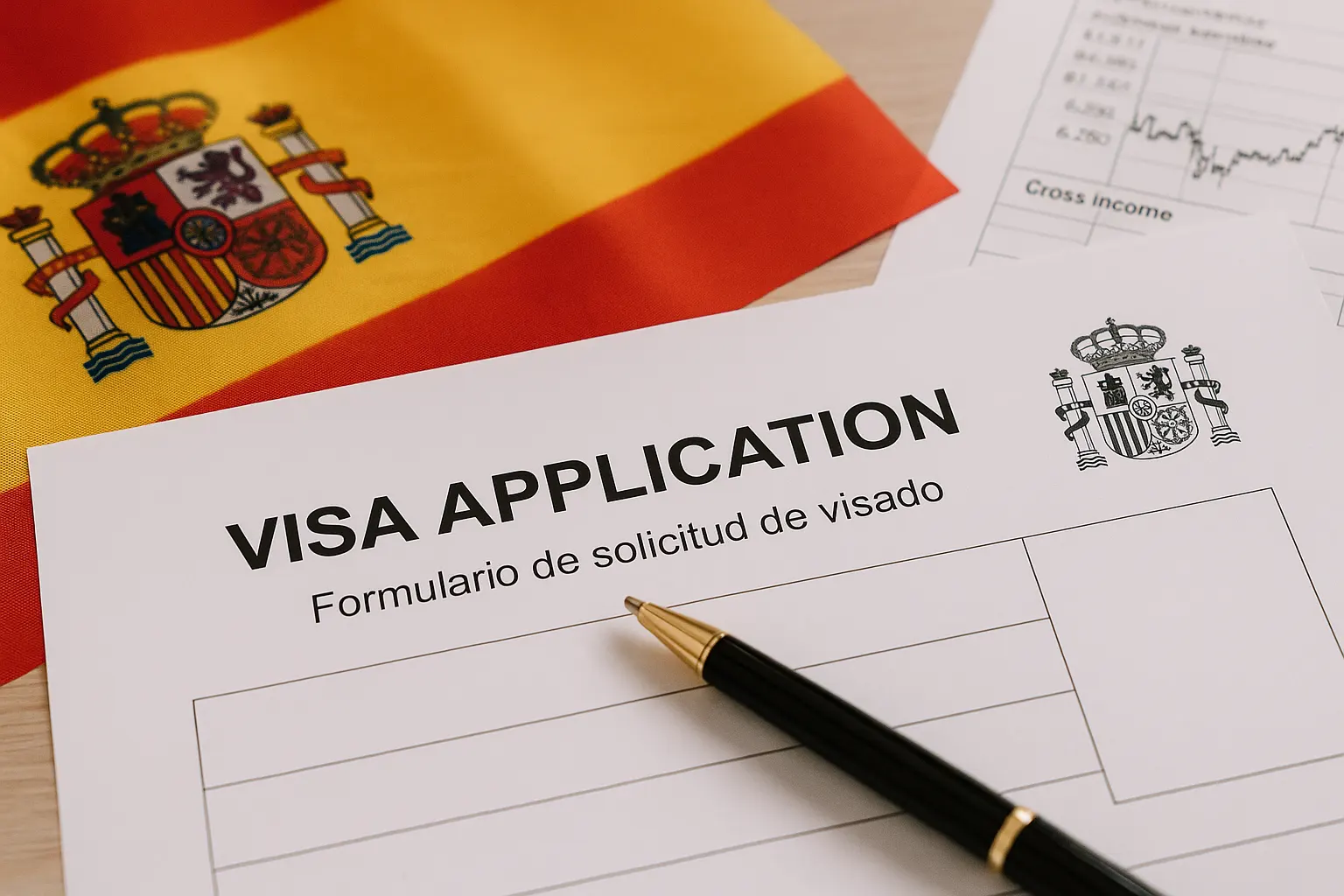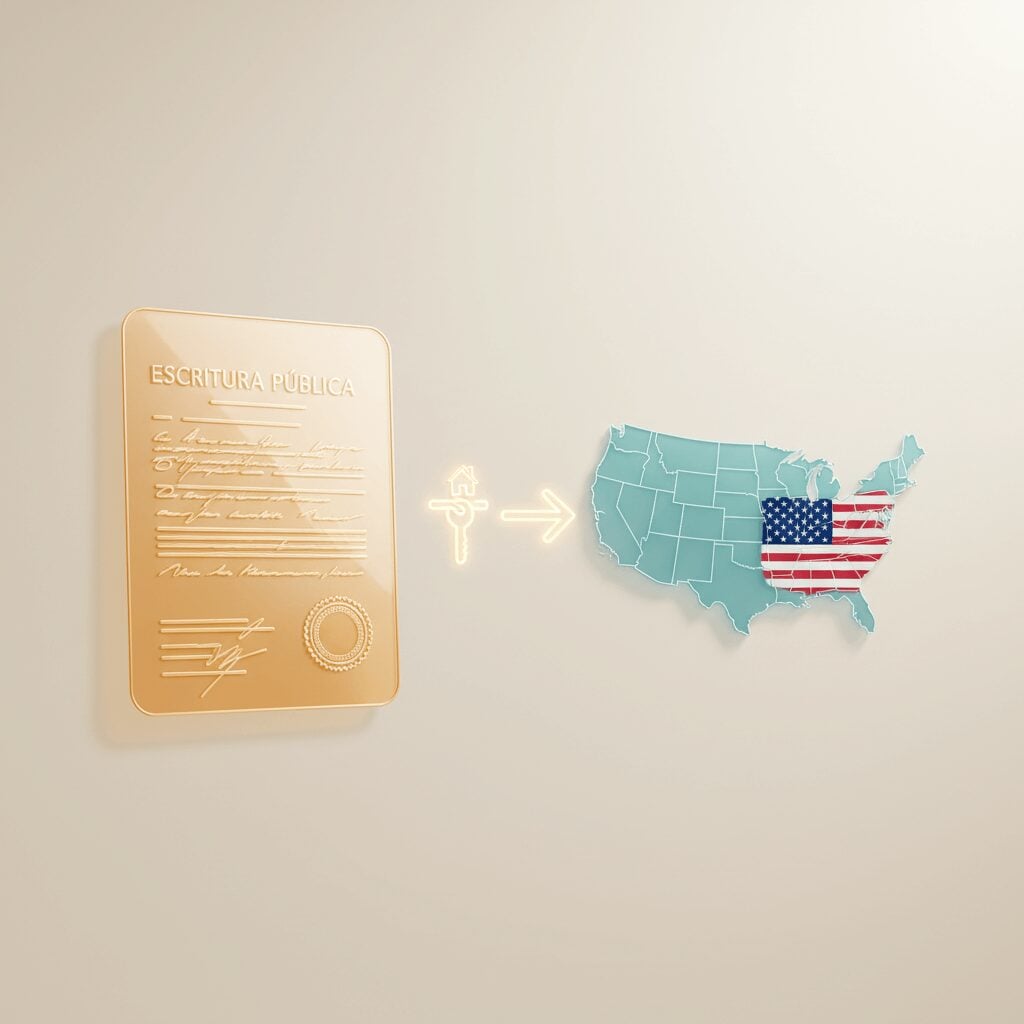


Welcome to 2026, American property adventurers! So, you’ve decided to plant roots in sunny Spain. This guide cuts straight to the chase, focusing exclusively on one of the most critical legal hurdles: spanish property registration. We’re not talking about the fun part of choosing tiles or debating pool sizes; today, our mission is a forensic examination of the registration process from the moment your purchase agreement is signed until your ownership is legally etched into the Spanish Property Registry.
This isn’t a general buying guide. We assume you’ve already found your dream villa or apartment. Our singular focus is making the often-complex spanish property registration journey as clear as a Mediterranean sky for American buyers in 2026. Get ready to decode the nuances, avoid common pitfalls, and confidently secure your Spanish dream. Remember, navigating these waters without expert local legal advice can be challenging. For personalized guidance on your Spanish property registration needs in 2026, consider reaching out to NIM Lawyers.
Navigating Spanish Property Registration in 2026: An American Buyer’s Essential Guide
For American buyers in 2026, understanding the precise steps of spanish property registration is paramount. This guide is your definitive resource, drilling down into every detail of the registration phase. We’ll differentiate between various American buyer scenarios, ensuring that whether you’re an individual, an LLC, or co-owning with a Spanish resident, you have a clear roadmap for Spain real estate 2026. From document preparation to leveraging digital tools, we’ll cover it all, ensuring a smooth transition from buyer to registered owner. This critical phase, often underestimated, is where legal security is truly cemented.
Executive Summary: Your 2026 Spanish Property Registration TL;DR
Buying property in Spain as an American in 2026 involves distinct registration steps post-purchase agreement. The process kicks off with obtaining a Nota Simple, preparing an escritura pública (public deed), and ensuring all necessary taxes are paid. For American buyers, particular attention must be paid to documentation, including apostilled Power of Attorneys and N.I.E. obtainment. Digital platforms are increasingly pivotal in 2026 for streamlined submissions. Avoiding delays requires meticulous document verification and often, professional legal guidance. Don’t underestimate the necessity of expert support. NIM Lawyers stands ready to assist American buyers with their spanish property registration 2026, ensuring a clear path to ownership.
The Journey Begins: Post-Purchase Agreement to Initial Registration Filing for Americans in 2026
Once you, as an American buyer documentation 2026, have signed the private purchase agreement (Contrato de Arras or Contrato de Compraventa), the clock starts ticking for spanish property registration process. This phase focuses on preparing the public deed, or Escritura Pública de Compraventa, which is signed before a Spanish Notary Public. This public deed is the cornerstone of your formal registration. Crucially, all necessary information for the Property Registry must be meticulously included in this document.
Immediately after signing the escritura pública, the Notary electronically sends a copy to the Property Registry. This is a provisional registration known as an ‘asiento de presentación’, which reserves your place in the queue and legally announces the transfer of ownership. This provisional entry is vital, as it protects your interests against any subsequent claims or encumbrances on the property. Concurrently, various taxes related to the purchase must be settled. Only after these taxes are paid can the final registration proceed.
Understanding the Escalating Role of the ‘Nota Simple’ in 2026
The Nota Simple Informativa remains an indispensable document in 2026 for any foreign buyer, including Americans, engaged in property transactions in Spain. It’s not just a preliminary check; its role is increasingly diagnostic throughout the registration process. This document, issued by the Spanish Property Registry, provides a summary of the property’s legal status. It verifies ownership, identifies any existing debts or charges (like mortgages or easements), and confirms the property’s physical description and boundaries.
In 2026, the Property Registry is enhancing transparency and accuracy, making the information contained within the Nota Simple 2026 even more critical. Prior to signing any public deed, your legal representative will scrutinize the Nota Simple to ensure there are no surprises that could impede subsequent registration. Any discrepancies or unlisted encumbrances must be resolved before proceeding. Furthermore, financial institutions granting mortgages will rely heavily on an updated Nota Simple. Its importance cannot be overstated for safeguarding your investment and ensuring a clean title recorded in the property registry Spain.
Power of Attorney (POA) for American Buyers: 2026 Nuances
For many US citizens buying Spain property in 2026, granting a Power of Attorney (POA) to a trusted legal representative, such as a lawyer from NIM Lawyers, is a practical necessity. This allows your representative to handle various stages of the registration process on your behalf, especially if you cannot be present in Spain for every required signature. A Spanish General POA gives broad authority, while a Special POA restricts powers to specific actions, like signing the purchase deed. The specific needs of your power of attorney Spain 2026 should be discussed with your legal counsel.
Crucially, a POA signed in the U.S. must be legalized for use in Spain. This involves an apostille, as both the U.S. and Spain are signatories to the Hague Apostille Convention. This Hague Apostille ensures the document’s international validity. Once apostilled, the POA (originally in English) will require an official Spanish translation by a Sworn Translator (Traductor Jurado). Failure to follow these strict authentication and translation protocols for your POA will cause significant delays in the property registration process in 2026. Therefore, advance planning is essential.
2026 Registration Diagnostics Tool: Pinpointing Your American Buyer Scenario
To navigate the complexities of spanish property registration, American buyers need a clear path. This diagnostic section is designed to help you, the American buyer, quickly identify the specific requirements and documentation applicable to your unique situation in 2026. By understanding your scenario, you can proactively gather the correct paperwork and anticipate potential hurdles. This self-assessment tool helps streamline your efforts, making your American buyer scenarios 2026 predictable.
-
Are you an individual U.S. citizen purchasing solely for personal use? (See Scenario 1)
-
Are you purchasing through a U.S.-based Limited Liability Company (LLC) or other corporate entity? (See Scenario 2)
-
Are you entering into a joint ownership arrangement with a Spanish resident or another individual? (See Scenario 3)
Answering these questions will guide you to a tailored explanation of the registration steps. In any scenario, consultation with specialized legal counsel, such as NIM Lawyers, is highly recommended to ensure compliance with the latest 2026 regulations.
Scenario 1: Individual American Buyer Direct Purchase (2026 Protocol)
For an individual American buyer Spain making a direct purchase registration 2026, the process, while straightforward compared to corporate structures, still demands meticulous attention. You will need your N.I.E. (Número de Identificación de Extranjero), which is your foreign identification number in Spain. This is non-negotiable for all property transactions. You will also need a Spanish bank account for tax payments and utility bills.
The primary document for registration is the Escritura Pública de Compraventa, signed before a Notary. This deed details the property, the parties involved, the purchase price, and confirms the payment of relevant taxes (Property Transfer Tax, known as ITP, or VAT, known as IVA, for new builds). Your lawyer will manage the submission of this deed to the Property Registry. Key elements for successful registration include:
-
Valid N.I.E.
-
Proof of funds and payment (usually bank transfers)
-
Notarized Escritura Pública
-
Payment of all applicable taxes
A specialist in Spanish property law for American clients, like NIM Lawyers, can facilitate every step, ensuring all 2026 protocols are correctly followed.
Scenario 2: LLC Purchase by Americans (2026 Registration Requirements)
Purchasing Spanish property through an American LLC introduces additional layers of complexity for corporate buyer Spain registration. The LLC property purchase Spain 2026 requires not only the N.I.E. for the beneficial owner(s) but also a Spanish Tax Identification Number (CIF) for the LLC itself. This is a critical distinction from individual purchases.
The LLC’s foundational documents will be under intense scrutiny. These typically include:
-
Certificate of Good Standing for the LLC.
-
Articles of Organization/Incorporation.
-
Operating Agreement, clearly defining the power of the signatory to act on behalf of the LLC.
-
Resolution from the LLC authorizing the purchase of the Spanish property.
-
Proof of the LLC’s beneficial ownership.
All these corporate documents must be apostilled in the U.S. and then officially translated into Spanish by a Sworn Translator. The Spanish Property Registry will require these legalized documents to verify the LLC’s legal existence and the authority of the individuals signing the purchase deed. This scenario often benefits significantly from the expertise of legal professionals who specialize in cross-border corporate transactions, such as NIM Lawyers, to avoid delays unique to corporate entities.
Scenario 3: Joint Ownership with a Spanish Resident (2026 Considerations for Americans)
When an American buyer enters into a joint ownership Spain American arrangement with a Spanish resident in 2026, the registration process involves careful consideration of each party’s legal standing and documentation. While the Spanish resident will naturally have their N.I.E. (or D.N.I.), the American co-owner will still require their own N.I.E. The property will be registered in the names of both individuals, reflecting their respective ownership percentages.
Key considerations for this Spanish resident property registration 2026 scenario include:
-
A clear definition of ownership percentages in the Escritura Pública.
-
Understanding the tax implications for each party, which may differ based on residency status.
-
Joint and several liability for property-related taxes and expenses.
The registration paperwork itself will be similar to an individual purchase but must accurately reflect both owners. While perhaps simpler than an LLC purchase, it is vital to ensure both parties understand and agree upon all terms, especially regarding future sale, inheritance, or potential disputes. For complex family or investment structures, seeking advice from a firm like NIM Lawyers can provide peace of mind.
Leveraging 2026 Digital Advancements: E-Registry and Online Procedures for Americans
The landscape of Spanish e-registry 2026 has evolved significantly, offering more streamlined processes for property registration. While the core legal requirements remain, the methods of submission and verification are increasingly digital. American buyers, as non-EU citizens registration, can benefit from these advancements, particularly in preliminary checks and information access. The Colegio de Registradores de la Propiedad website provides an online portal where initial information, like updated Nota Simples, can be requested.
For final registration, the Notary Public remains a central figure, electronically submitting the escritura pública to the Property Registry. However, new digital identification procedures are being piloted that may, in the coming years, reduce the need for physical presence for certain administrative steps. For 2026, while the final deed signing still requires an in-person or Power of Attorney presence, the backend processes are heavily digitized. Utilizing these digital tools, facilitated by your legal counsel, can genuinely impact the efficiency of your digital property registration Spain. Staying abreast of these technological shifts is a cornerstone of modern property acquisition.
‘Ask the Expert’: 2026 Insights from a Spanish Property Lawyer for US Expats
“In 2026, American buyers are more sophisticated than ever, but registration pitfalls Spain still exist,” warns Elena Rodríguez, a senior partner at NIM Lawyers, specializing in US expat property transactions. “The biggest challenge is often the assumption that U.S. legal concepts directly translate to Spain. They don’t. Our role is to bridge that gap.”
Expediting Registration: Proactive Strategies for American Buyers in 2026
“My top advice for expedite spanish property registration for American buyers in 2026 is proactive documentation,” counsels Ms. Rodríguez. “Don’t wait until the last minute to get your N.I.E., or to start the apostille process for your Power of Attorney. These are often the biggest bottlenecks.”
-
Early N.I.E. Application: Apply for your N.I.E. as soon as you consider buying. This is fundamental.
-
Pre-emptive POA: If you plan to use a Power of Attorney, get it drafted, notarized, and apostilled in the U.S. well in advance. Then, have it officially translated.
-
Clear Funds Trail: Ensure all funds for the purchase are transferred from a clearly identifiable U.S. bank account. Provide source of funds documentation if requested.
-
Dedicated Bank Account: Open a Spanish non-resident bank account early for deposits and payment of taxes and fees.
-
Utilize Technology: Embrace secure digital communication with your legal team for swift document exchange and query resolution.
“Having all these ducks in a row enables quick action once an attractive property is found, positioning our American clients for an efficient American buyer strategies 2026 process,” adds Ms. Rodríguez of NIM Lawyers.
Avoiding Delays: Common Documentation Misinterpretations for US Citizens in 2026
“One frequent cause of Spanish registration delays for American clients,” Ms. Rodríguez explains, “stems from misinterpreting the exact requirements for their U.S. documentation. For instance, just a simple notarization on a U.S. document isn’t enough; it almost always requires an apostille for use in Spain.”
-
Missing Apostille: U.S. notarial acts or public records generally need an apostille. Without it, the document is simply not valid for Spanish legal purposes.
-
Incorrect Translation: Translations must be done by a Sworn Translator (Traductor Jurado) appointed by the Spanish Ministry of Foreign Affairs. Generic translations, even professional ones, are not accepted.
-
Outdated Corporate Docs: For an LLC purchase, ensure the corporate documents (Articles of Org, Operating Agreement, Resolutions) are current and clearly reflect the authority to purchase.
-
Identification Verification: Sometimes, the identification process for remote American buyers or those with complex names can require extra steps not foreseen.
-
Proof of Funds: The Spanish anti-money laundering regulations are strict. Clear and robust proof of the origin of funds is crucial.
“These are common points where US documentation Spain 2026 can falter, but with proper legal guidance from firms like NIM Lawyers, they are entirely avoidable,” concludes Ms. Rodríguez.
Real-World 2026 Case Studies: American Success Stories in Spanish Property Registration
These anonymized case studies illustrate how American buyers, with strategic planning and expert legal assistance, have successfully navigated complex spanish property registration case studies in 2026, transforming potential obstacles into triumphs. They serve as practical examples for other American buyers Spain examples to learn from.
Case Study A: Navigating Multi-Party Ownership and Currency Fluctuations (2026)
Mr. and Mrs. Thompson, American retirees, purchased a historic finca in Mallorca in early 2026. The unique challenge was the property’s multi-party ownership Spain; it was inherited by three siblings who lived in different EU countries. This meant multiple parties to sign the deed and ensure clear title transfer. Furthermore, currency fluctuations between USD and EUR significantly impacted the final cost of their deposit and currency exchange registration fees 2026.
Their solution involved:
-
Unified POA: Each sibling granted a specific POA to a Spanish lawyer in their respective countries, which was then apostilled and translated. This streamlined the signing process, avoiding the need for all three to be physically present.
-
Legal Due Diligence: NIM Lawyers conducted extensive due diligence, coordinating with lawyers in three different countries to verify each owner’s legal capacity and clear any outstanding inheritance taxes.
-
Currency Hedging: Advised by their financial advisor and Nim Lawyers, they utilized forward contracts to lock in an exchange rate for the bulk of the purchase price, mitigating the risk of adverse currency movements affecting their registration fees 2026.
The registration, while intricate, proceeded smoothly due to meticulous legal coordination and proactive financial planning, showcasing a successful multi-party ownership Spain transfer for American buyers.
Case Study B: Overcoming Identification Challenges for Remote US Buyers (2026)
Sarah Chen, a tech entrepreneur based in Seattle, decided to purchase an apartment in Barcelona in mid-2026 as a remote investment. Her primary hurdle was the strict identification requirements for remote property purchase Spain and the challenges of authenticating her identity as a US buyer identification 2026 without physically being present for initial stages.
Her strategy included:
-
Video Conferencing and POA: Sarah granted a notarized and apostilled Power of Attorney to NIM Lawyers. Critically, NIM Lawyers arranged secure video identification protocols (e.g., specific compliant platforms) that allowed Spanish notaries to verify her identity remotely for certain preliminary documents, minimizing her need to travel until the very end.
-
Certified Fund Transfers: All funds were transferred via certified international bank transfers, with explicit documentation of origin, pre-empting any anti-money laundering queries.
-
Digital Communication Hub: A dedicated secure online portal facilitated the exchange of documents, signatures, and real-time updates, making the geographical distance negligible for many administrative tasks.
This case highlights how combining a robust POA with 2026’s enhanced digital identification opportunities and diligent legal support from NIM Lawyers enabled a seamless remote acquisition and registration.
Post-Registration Compliance Checklist for Americans in Spain (2026)
Once your property is officially registered in the Spanish Property Registry, your journey isn’t over. For American property owners Spain 2026, there’s a vital phase of post-registration compliance. This checklist is crucial for establishing long-term legal and financial security, specifically impacting annual tax declarations and potentially future residency applications for US citizens Spain.
-
Obtain Certified Copy of Deed: Secure a certified copy (copia autorizada) of your registered Escritura Pública from the Notary and the Property Registry. This is your definitive proof of ownership.
-
Update Cadastral Registry (Catastro): Ensure the property’s cadastral details are correctly updated to your name. This is crucial for local property taxes (IBI).
-
Set Up Utilities and Services: Transfer all utility contracts (electricity, water, internet) into your name.
-
Obtain Habitation Certificate (Cédula de Habitabilidad): Verify if the property has a valid Certificate of Habitability, especially if you plan to rent it out.
-
Inform Homeowners’ Association (Comunidad de Propietarios): Inform the community administrator of your ownership for fee payments and communications.
-
Prepare for Annual Taxes: Understand your Spanish tax obligations as a non-resident property owner, including Non-Resident Income Tax (IRNR) and annual municipal property tax (IBI).
-
Review U.S. Tax Implications: Consult with a U.S. tax advisor regarding your FBAR and FATCA obligations, and how your Spanish property ownership impacts your U.S. tax declarations.
-
Consider Spanish Will: Draft a Spanish will specifically for your Spanish assets to simplify inheritance for your heirs, especially important given the complexities of cross-border inheritance laws.
This post-registration compliance Spain is just as vital as the registration itself to avoid future complications. NIM Lawyers can provide ongoing support for these critical post-purchase steps.
Linking Registration to Residency and Tax Obligations for US Citizens in 2026
The successful spanish property registration holds a direct and critical link to subsequent legal statuses, particularly for residency Spain 2026 applications and annual US citizens tax Spain property obligations. Owning property, while not automatically granting residency, is a significant supporting factor for various visa types, including the Non-Lucrative Visa or the Golden Visa.
For residency applications, proof of registered property ownership (your Escritura Pública and Nota Simple) demonstrates a tangible connection to Spain and often satisfies accommodation requirements. Without proper registration, your claim to the property is weak, which can undermine your residency bid.
From a tax perspective, once your property is registered, you become liable for several taxes:
-
Impuesto sobre Bienes Inmuebles (IBI): An annual municipal property tax, calculated based on the cadastral value.
-
Impuesto sobre la Renta de No Residentes (IRNR): If you are a non-resident, you must pay this tax annually, either on imputed rental income (if the property is for personal use) or actual rental income (if rented out).
-
Wealth Tax (Impuesto sobre el Patrimonio): Depending on the value of your assets in Spain and regional regulations, you may be liable for this annual tax.
Your property registration forms the basis for these tax assessments. Ignoring these obligations can lead to significant penalties. Professional advice regarding both Spanish and U.S. tax implications is indispensable for American property owners in 2026. NIM Lawyers can guide you through these intricate connections, ensuring full compliance.
Key Takeaways: Your 2026 Spanish Property Registration Blueprint
Navigating spanish property registration as an American buyer in 2026 demands precision and proactive planning. This blueprint distills the essential insights:
-
N.I.E. is Non-Negotiable: Obtain your Foreigner Identification Number immediately.
-
Power of Attorney (POA) as a Strategic Tool: Use an apostilled and officially translated POA to streamline processes.
-
The Nota Simple is Your Diagnostic: Scrutinize this document at every stage to verify property status.
-
Tailor Your Approach: Understand if you’re an individual, LLC, or joint owner, as documentation varies.
-
Embrace Digital, but Respect Traditional: Leverage e-registry for information, but acknowledge the notary’s central role.
-
Expert Legal Counsel is Paramount: A specialized Spanish property lawyer, like those at NIM Lawyers, is your best asset for avoiding pitfalls and expediting registration.
-
Post-Registration Compliance: Your responsibilities extend beyond receiving the keys; factor in tax, cadastral, and utility updates.
-
Link to Residency & Tax: Property registration is the foundation for successfully acquiring residency and managing your Spanish and U.S. tax obligations.
This provides an effective American buyer Spain blueprint for securing your Spanish investment. With these spanish property registration insights, you are well-equipped for a smooth process.
Authority Sources & Legal References (2026)
The information provided in this guide is based on current Spanish legislation and practices as of 2026. Key Spanish property law 2026 references include:
-
Ley Hipotecaria (Mortgage Law) and its Reglamento (Regulations). These are the foundational laws governing the Spanish Property Registry.
-
Ley del Notariado (Notary Law), which defines the role and responsibilities of Notaries Public in property transactions.
-
Royal Decree 1/2004, approving the revised text of the Law on Transfer Tax and Stamp Duty (Impuesto sobre Transmisiones Patrimoniales y Actos Jurídicos Documentados).
-
Referenced policies and guidelines from the Dirección General de Seguridad Jurídica y Fe Pública (General Directorate of Legal Security and Public Faith), which oversees Notaries and Registrars.
-
Information directly from the Colegio de Registradores de la Propiedad, Mercantiles y Bienes Muebles de España (Association of Property, Mercantile, and Movable Goods Registrars of Spain), the official body responsible for the official property registry Spain.
-
Anti-Money Laundering Laws (Ley 10/2010, de 28 de abril) and their implementing regulations, which impose identification and due diligence obligations on legal professionals and financial institutions.
These legal frameworks are consistently updated and interpreted, emphasizing the need for current, specialized legal advice.
Conclusion: Securing Your Spanish Dream Home in 2026 Through Flawless Registration
The dream of owning a home in Spain for American buyers in 2026 is an exciting one, but its realization hinges on a meticulous and compliant spanish property registration success. As we’ve explored, the process is detailed and requires careful navigation of Spanish legal and administrative systems. From securing your N.I.E. and apostilling essential documents to understanding diverse buyer scenarios and leveraging 2026 digital advancements, every step is crucial for achieving your goal.
By applying the comprehensive insights and proactive strategies outlined in this guide, American buyers Spain 2026 can confidently proceed. Remember, the investment in expert legal counsel is an investment in security and peace of mind. For a smooth, compliant, and ultimately successful property registration process in Spain, NIM Lawyers stands ready to provide the specialized guidance you need. Don’t leave your Spanish dream to chance – ensure flawless registration with seasoned professionals.
Citations
This text references the following articles:
-
Buying Property in Spain as a Foreigner in 2026 — “As of 2026, the fundamental rule remains unchanged: foreigners are legally allowed to purchase property in Spain, regardless of nationality.”
-
➡️ Buying a house in Spain in 2026? 10 Legal tips by the … — “… home, holiday property, investment, new build … New Spanish law & NRA Holiday Rental Registry: Can you rent out through booking platforms in …”
-
How to buy a home in Spain in 2026: A practical guide — “After completion, the property must be registered with the Spanish Land Registry. This final step protects your ownership rights and ensures the …”
-
Empadronamiento in Spain: what it is and how to get … — “Empadronamiento is the official registration of your residence with the local town hall (ayuntamiento). In English, it is similar to a census …”
-
How to Buy Property in Spain 2026 | Step-by-Step Guide — “Buying property in Spain in 2026 can be confusing, so in this video I break down how to buy property in Spain 2026 step by step.”