

Moving from the United States to Spain offers a vibrant experience, but it also means navigating a new legal landscape. Understanding the fundamental differences in laws between these two nations is not just helpful—it’s essential for a smooth transition and successful integration into Spanish society. From taxation and immigration to healthcare and daily life, the legal frameworks diverge significantly. This guide provides clear and practical information, highlighting key disparities that American expats in Spain need to be aware of in 2026.
TL;DR
- Immigration & Residency: Spain requires specific visas (e.g., Non-Lucrative, Digital Nomad) and a TIE for stays over 90 days, unlike the US visa waiver for short visits.
- Healthcare System: Spain boasts a universal healthcare system (Sistema Nacional de Salud) primarily funded by social security contributions, contrasting the US’s predominantly private insurance model.
- Taxation: Expats in Spain are subject to worldwide income tax after 183 days, with unique declarations like Modelo 720 for overseas assets. US citizens still face US tax obligations globally.
- Labor Laws & Employment: Spain has stronger employee protections, mandatory severance pay, longer paid vacation, and stringent dismissal rules compared to the more at-will employment culture in the US.
- Property & Inheritance: Spanish property law involves different concepts like Nota Simple and specific inheritance tax rules that can vary by autonomous community, impacting estate planning.
Introduction
Embarking on an expatriate journey from the United States to Spain is an exciting prospect, promising rich cultural experiences, diverse landscapes, and a different pace of life. However, beneath the surface of alluring tapas and historic architecture lies a legal system that, while modern and robust, operates on principles often distinct from those found in American jurisprudence. For US citizens considering a move or already residing in Spain in 2026, a comprehensive understanding of these differences is not merely beneficial; it is a critical component of ensuring compliance, protecting rights, and avoiding unforeseen complications.
This authoritative guide is designed to illuminate the core legal distinctions across various facets of life, from immigration and residency to daily activities, taxation, and employment. Our aim is to provide a practical and structured overview, equipping you with the knowledge necessary to navigate the Spanish legal environment with confidence and clarity. We will delve into specific areas where Spanish laws diverge most sharply from their American counterparts, using precise terminology and offering actionable insights.
Understanding Key Legal Differences for Expats in Spain (2026)
1. Immigration and Residency Requirements
The initial and perhaps most critical legal difference for any aspiring expat is the framework governing immigration and residency. The United States and Spain approach the entry and stay of foreign nationals with distinct philosophies and regulations.
US Immigration Policy vs. Spanish Residency
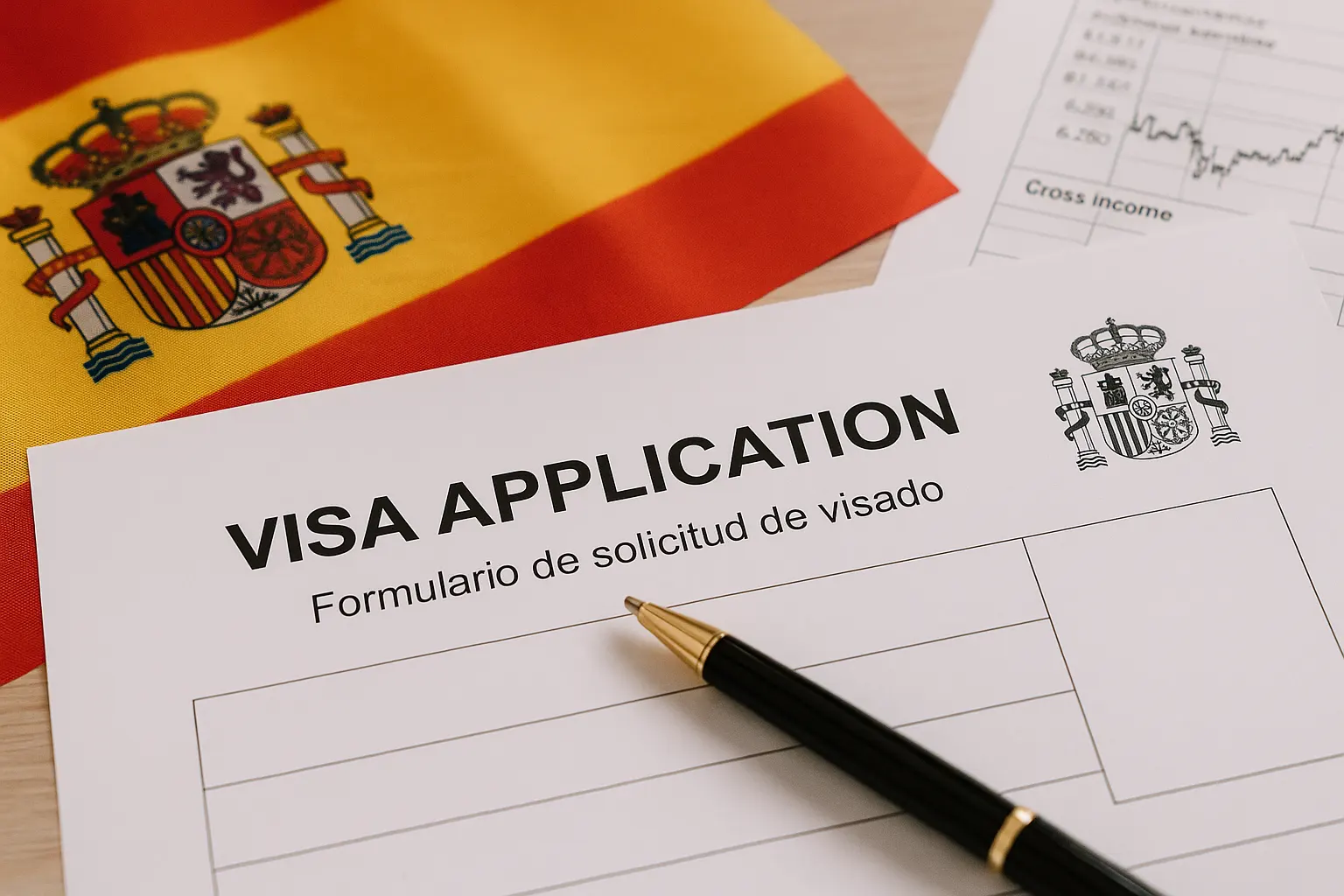
For US citizens, entry into the Schengen Area (which includes Spain) for tourism or short visits typically does not require a visa for up to 90 days within any 180-day period. However, for any stay exceeding this duration or for purposes beyond tourism (e.g., work, study, retirement), obtaining a specific visa from a Spanish Consulate in the US is mandatory prior to departure.
In 2026, popular long-term visa options for Americans include:
- Non-Lucrative Visa: For individuals with sufficient financial means to live in Spain without working, ideal for retirees or those on passive income.
- Digital Nomad Visa (DNV): A relatively new pathway, gaining significant traction in 2026, designed for remote workers and freelancers. It offers a stepping stone to residency, initially for up to three years.
- Student Visa: For those enrolled in accredited educational programs.
- Work Visa: Requires a job offer from a Spanish employer, which can be challenging to obtain unless the role is in high demand and the employer can demonstrate that an EU/EEA citizen could not fill it.
Upon arrival in Spain with a long-term visa, expats must apply for a TIE (Tarjeta de Identidad de Extranjero) within a specific timeframe (usually 30 days). The TIE is the physical residency card, analogous to a Green Card in the US, but with a different set of rights and renewal processes.
Key Difference: Unlike the US, where options for long-term stay without a specific purpose visa (like adjusting status from a visitor) are extremely limited and complex, Spain meticulously defines and enforces the purpose of your stay from the outset, requiring appropriate long-term visas for anything beyond short-term tourism.
2. The Healthcare System: A Fundamental Contrast
The philosophical and structural differences between the US and Spanish healthcare systems are profound. Understanding these is essential for maintaining health and financial well-being.
Universal Healthcare in Spain vs. Private Dominance in the US
Spain operates a decentralized, largely universal healthcare system known as the Sistema Nacional de Salud (SNS). This system is primarily funded through social security contributions and general taxation. Most residents who contribute to the social security system (e.g., employed individuals, self-employed/autónomos, certain retirees) have access to public healthcare services for free at the point of use.
For expats, access to the SNS typically becomes available once they are officially registered as residents and are contributing to the Spanish social security system. Those on certain non-lucrative visas may be required to maintain private health insurance until they qualify for public healthcare. The Digital Nomad Visa generally allows direct access to the SNS upon registration as an autónomo or an employee. It is crucial to remember that this access is based on your residency and social security status, not simply being present in the country.
Key Difference: The US system is predominantly private, requiring individuals to secure health insurance through employers, the marketplace, or government programs like Medicare/Medicaid. Spain’s system emphasizes universal access through public funding, shifting the burden of healthcare costs from individual insurance premiums to collective contributions.
3. Taxation: Navigating Two Jurisdictions
Taxation is an area where American expats face unique challenges due to the US’s citizenship-based taxation system.
Spanish Tax Residency vs. US Global Taxation
In Spain, an individual is generally considered a tax resident if they spend more than 183 days in the country during a calendar year or if their primary economic interests are located in Spain. Once deemed a tax resident, individuals are required to pay income tax (Impuesto sobre la Renta de las Personas Físicas – IRPF) on their worldwide income. This often includes income from foreign sources, such as US rental properties or investment accounts.
Spain also has unique tax declarations, such as the Modelo 720, which requires residents to declare assets held outside of Spain exceeding certain thresholds. Failure to comply can result in severe penalties.
Meanwhile, US citizens are subject to US income tax on their worldwide income regardless of where they live. While mechanisms like the Foreign Earned Income Exclusion (FEIE) and foreign tax credits can help mitigate double taxation, expats often face complex filing requirements with both the IRS and the Spanish tax authorities (Agencia Tributaria).
Key Difference: Spain’s tax system is residency-based, meaning tax obligations are primarily determined by physical presence. The US operates on a citizenship-based taxation model, creating a dual tax obligation for American expats that requires careful planning and often professional advice.
4. Labor Laws and Employment
For those planning to work in Spain, either as an employee or an autónomo (self-employed), Spanish labor laws offer a stark contrast to the US.
Employee Protections in Spain vs. At-Will Employment in the US
Spanish labor law is considerably more employee-friendly than typical US employment law. Key differences include:
- Severance Pay: In Spain, employees typically receive mandatory severance pay upon dismissal, unless it’s for serious misconduct. The amount is usually calculated based on years of service and salary. In contrast, severance pay is generally not legally mandated in the US, although many employers offer it voluntarily.
- Paid Vacation: Spanish law mandates a minimum of 30 calendar days (or 22 working days) of paid vacation per year, often in addition to numerous public holidays. The US has no federal legal requirement for paid vacation, though many employers offer it as a benefit.
- Work Hours: The standard workweek in Spain is generally capped at 40 hours, with strict regulations on overtime. While 40 hours is common in the US, flexibility and longer workweeks are often more prevalent without additional overtime pay for salaried employees.
- Dismissal: Terminating employment in Spain is highly regulated, often requiring justified cause and specific procedures. Unjustified dismissal (despido improcedente) can lead to significant compensation or reinstatement. The US generally operates on an “at-will” employment doctrine, meaning employers can dismiss employees for almost any reason (or no reason) as long as it’s not discriminatory or illegal.
For autónomos, registration with the Social Security system (Seguridad Social) is mandatory, providing access to public healthcare and other benefits, which is a more integrated system than for independent contractors in the US who often manage their own benefits.
Key Difference: Spain prioritizes strong employee protections, job security, and mandatory benefits, reflecting a social democratic approach to labor. The US favors greater employer flexibility and an “at-will” employment model, viewing employment more as a private contract.
5. Property and Inheritance Law
Acquiring property or planning for an estate reveals further legal distinctions.
Spanish Property Concepts vs. US Real Estate Practices
When purchasing property in Spain, concepts like the Nota Simple (a property registry extract detailing ownership, liens, and charges) play a crucial role and have no direct equivalent in the US. The role of a notary in Spain is also more extensive and legally binding than in many US real estate transactions.
Inheritance law in Spain can be significantly different, particularly regarding forced heirship rules (legítima). While the US generally allows individuals broad freedom to distribute their assets via a will, Spanish law often reserves a portion of an estate for specific heirs (children, spouse, parents), regardless of the deceased’s wishes. This can vary significantly by autonomous community, making estate planning complex for expats.
Key Difference: Spain’s property and inheritance laws often incorporate more prescriptive elements, such as mandatory heirship, and different bureaucratic processes (like the role of the notary), diverging from the more flexible and contract-driven approaches common in the US.
Key Takeaways
- Proactive Planning is Crucial: Due to significant legal divergences, especially in immigration, taxation, and healthcare, comprehensive pre-move planning and seeking professional advice from Spanish lawyers and tax advisors are indispensable.
- Understand Dual Obligations: US citizens face unique challenges due to citizenship-based taxation, requiring careful management of tax responsibilities in both Spain and the United States.
- Embrace New Systems: Be prepared to adapt to different social norms and legal processes, particularly regarding healthcare access, employment rights, and administrative procedures (like obtaining your NIE or TIE).
- Regional Variations Exist: Spain’s autonomous communities have varying regulations, particularly in areas like inheritance tax and some administrative processes, which adds another layer of complexity.
- Stay Informed in 2026: Laws and regulations, especially concerning new visa categories like the Digital Nomad Visa, can evolve. Staying updated through reliable sources is essential for continued compliance.
Authority Sources
Agencia Tributaria (Spanish Tax Agency)
Ministerio del Interior (Spanish Ministry of Interior)
Ministerio de Inclusión, Seguridad Social y Migraciones (Spanish Ministry of Inclusion, Social Security and Migration)
US Department of State
Internal Revenue Service (IRS)
Ready to Make Your Move?
Navigating the legal intricacies of moving from the US to Spain in 2026 doesn’t have to be overwhelming. With expert guidance, you can ensure a compliant and comfortable transition. Contact a qualified Spanish immigration lawyer or tax advisor today to discuss your specific situation and get personalized advice tailored to your needs. Take the first step towards a seamless relocation!
Citations
This text references the following articles:
- How does healthcare in Spain compare vs USA — “Spain’s tax-funded approach ensures essential medical services for all residents, while Americans without comprehensive insurance may face high costs and …”
- USA vs. Spain Health Care: Costs, Financing, and Statistics — “The health care system in Spain is better than in the USA. Concerning life expectancy, the difference is also quite significant.”
- Navigating the Spanish Healthcare System: A Comprehensive … — “The public healthcare system in Spain is known as the Sistema Nacional de Salud (SNS), which is funded through taxes and social security …”
- Spanish vs US Healthcare: An Expat Comparison – SpainGuru — “Overall, the choice between Spanish healthcare and US healthcare often comes down to insurance quality, location, and personal needs. Many …”
- Comparing Healthcare Systems in Spain and the United States — “When comparing these two approaches, it is clear that despite its shortcomings, Spain’s public healthcare remains one of the most effective …”