

Introduction: Navigating the World of Remote Work with a Digital Nomad Visa in 2026
The landscape of work has seen a seismic shift, with remote employment becoming not just a possibility but a preferred modality for millions. As we move through 2026, the allure of combining professional productivity with international exploration is stronger than ever. For aspiring remote workers dreaming of life beyond borders, understanding what is a digital nomad visa is the crucial first step. This guide is designed to demystify these specialized permits, offering a foundational perspective for those new to the concept of remote work abroad.
Digital nomad visas (DNVs) have emerged as game-changers, enabling professionals to legally reside and work remotely from various countries. They stand as a testament to the evolving nature of global mobility and employment in 2026. This comprehensive overview will equip you with the fundamental knowledge required to embark on your global remote work journey, emphasizing the core principles rather than specific country details.
Executive Summary: Your Quick Guide to Digital Nomad Visas (TL;DR)
Digital nomad visas are government-issued permits allowing remote workers to live temporarily in a foreign country while working for an employer or clients located outside that country. In 2026, DNVs streamline legal residency, differentiate from tourist or traditional work visas, and typically require proof of remote income, health insurance, and clean background checks. They cater to a growing demographic of remote professionals seeking international experiences without relinquishing their careers.
Aspiring remote workers in 2026 should assess their readiness based on common criteria like stable remote income and adaptability. This guide provides the critical ‘why,’ ‘what,’ and ‘is it for me?’ before diving into country-specific applications.
Understanding the ‘Why’ and ‘What’: What is a Digital Nomad Visa, Really?
At its heart, understanding what is a digital nomad visa involves recognizing it as a country’s official invitation to a specific class of foreign citizens: those who earn income remotely and wish to reside within its borders temporarily. Unlike traditional immigration pathways, the primary purpose of a DNV is not to fill local labor market gaps. Instead, it aims to attract individuals who contribute to the local economy through their spending, without directly competing for domestic jobs.
In 2026, the significance of a Digital Nomad Visa lies in its ability to legitimize the presence of remote workers. It provides a legal framework that addresses issues like taxation, social security (often a concern for remote employees), and access to local services, all while allowing the visa holder to maintain their existing foreign employment or client base. It is, in essence, a specialized permit for remote professionals seeking a new temporary home.
Distinguishing DNVs from Tourist and Traditional Work Visas in 2026
The distinction between different travel permits in 2026 is critical. A digital nomad visa occupies a unique space, clearly separate from both tourist and traditional work visas.
-
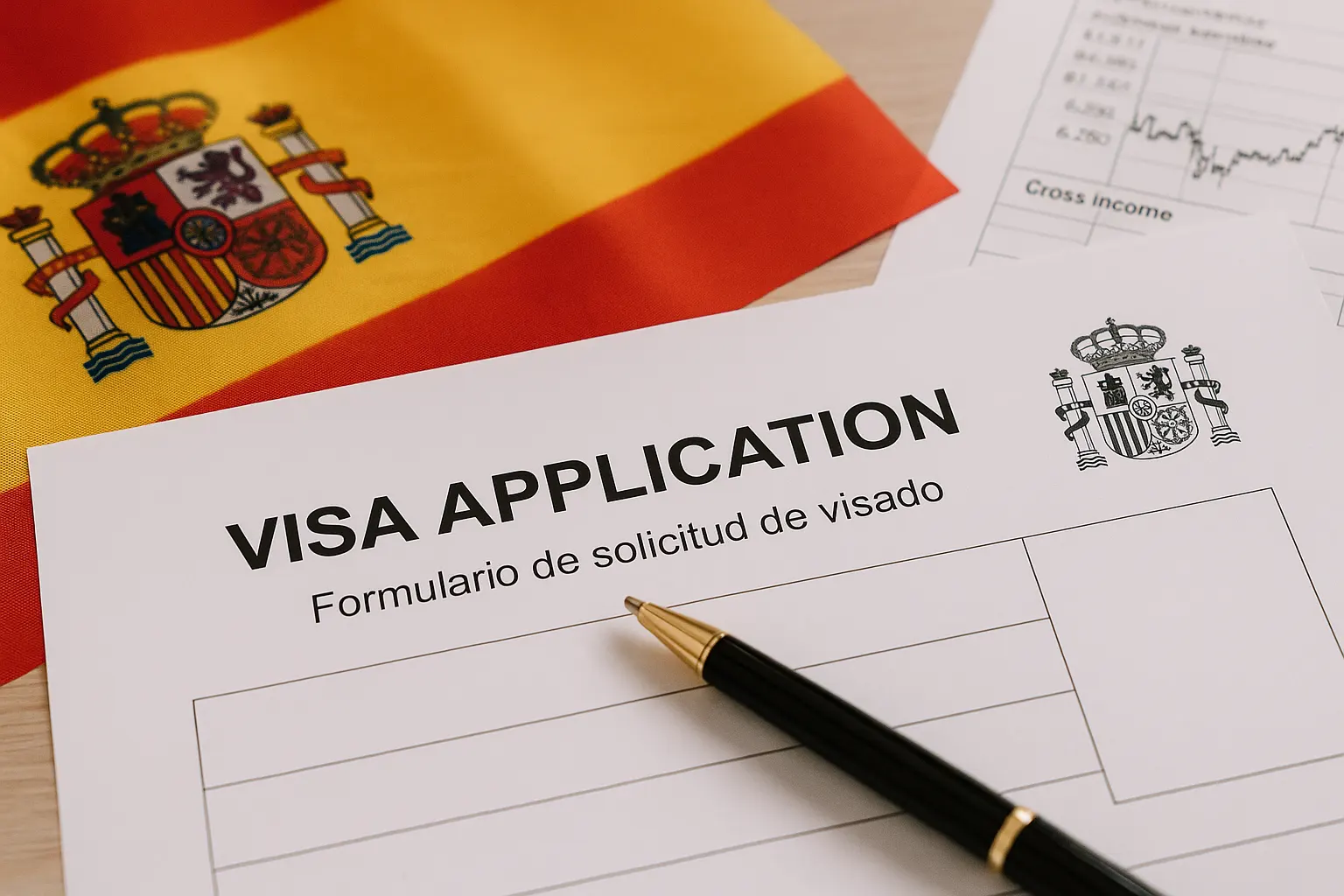
Digital Nomad Visa vs. Tourist Visa: A tourist visa permits short-term stays for leisure, explicitly prohibiting most forms of paid work. Remaining in a country on a tourist visa while working remotely for an extended period is generally illegal and can lead to penalties. A DNV, conversely, explicitly grants the right to perform remote-work activities.
-
DNV vs. Work Visa: A traditional work visa is typically tied to a local employer who sponsors the applicant and demonstrates that no local worker can fill the role. It often involves a more complex application process and strict labor market testing. A DNV, however, does not require a local employer; the income must originate from outside the host country. This fundamental difference makes the DNV an accessible option for self-employed individuals and those with foreign-based remote jobs.
Understanding these differences is paramount for aspiring remote workers seeking clarity on why a DNV is the appropriate path for their international endeavors in 2026.
A Brief History: The Rise of Digital Nomad Visas Leading to 2026
The concept of working remotely from anywhere gained significant traction in the early 2020s, accelerated by global events that forced widespread adoption of remote work. Before this, “digital nomads” often relied on tourist visas, which presented legal ambiguities and limitations. Estonia is widely credited with launching the first official digital nomad visa in 2020, recognizing the economic potential of this growing demographic.
Following Estonia’s pioneering step, numerous countries, from Barbados to Portugal, and later many others, unveiled their own versions of DNVs. This movement reflected a global acknowledgement of remote work trends in 2026. Governments realized the benefit of attracting skilled, often well-paid, foreign workers who would spend their foreign-earned income locally without burdening the domestic job market or social services extensively. The growth from a niche concept to over 50 countries offering DNVs by 2026 highlights the success and increasing acceptance of this residency model for remote professionals.
The ‘Is It For Me?’ Checklist: Assessing Your Readiness for a Digital Nomad Visa in 2026
Before delving into specific country applications, it’s essential for aspiring digital nomads to perform a self-assessment. A successful DNV journey in 2026 requires more than just meeting official digital nomad visa requirements; it demands a certain level of personal and financial readiness. This section helps you determine if a DNV is a viable and desirable path for you.
Essential Prerequisites: What Every Aspiring Digital Nomad Needs in 2026
While country-specific requirements vary, several common prerequisites form the bedrock of almost all DNV applications in 2026.
-
Proof of Remote Work: You must demonstrate that your employment or client base is outside the country where you wish to reside. This typically involves contracts, letters from employers, or business registration documents for freelancers.
-
Remote Income Proof: Most DNVs set a minimum monthly income threshold (e.g., €2,500 – €3,500, though this varies greatly). You’ll need bank statements, pay stubs, or tax returns to prove a stable and sufficient income. This ensures you can support yourself without recourse to public funds.
-
Health Insurance for Nomads: Comprehensive health insurance valid in the host country is almost always a mandatory requirement. This is crucial for your safety and to avoid burdening the local healthcare system.
-
Clean Criminal Record: A background check and often a police certificate from your home country and any other countries you’ve lived in for a significant period are standard.
-
Valid Passport: Your passport must have sufficient validity (usually at least 6-12 months beyond your intended stay) and enough blank pages for stamps/visas.
These DNV general requirements serve as a universal baseline for remote worker eligibility in 2026.
Beyond the Paperwork: The Digital Nomad Mindset for 2026
While meeting eligibility criteria is essential, the digital nomad lifestyle also demands certain personal attributes. The journey is not without its challenges, and a resilient mindset is key to thriving as an aspiring global worker in 2026.
-
Adaptability and Flexibility: You’ll encounter new cultures, languages, and ways of doing things. The ability to embrace change, solve problems independently, and adapt to different environments is crucial.
-
Self-Discipline and Time Management: Working remotely from a new and exciting location can be distracting. Strong self-discipline is needed to maintain productivity and meet deadlines.
-
Financial Prudence: While DNVs require minimum income, budgeting and managing finances across different currencies and tax systems are vital for long-term success.
-
Open-mindedness and Cultural Sensitivity: Engaging respectfully with local communities and cultures enriches the experience and avoids potential misunderstandings.
-
Resilience: You will face administrative hurdles, homesickness, or unexpected challenges. A robust spirit and problem-solving attitude are invaluable.
Developing these qualities, alongside fulfilling official requirements, sets the stage for a truly rewarding international remote work experience.
Key Takeaways: Your Digital Nomad Visa Readiness Snapshot for 2026
Here’s a snapshot of the critical points covered in this beginner’s guide to understanding what is a digital nomad visa in 2026:
-
A Digital Nomad Visa (DNV) is a formal government permit for remote workers to legally reside in a foreign country while working for non-local entities.
-
DNVs are distinctly different from tourist visas (which prohibit work) and traditional work visas (which require local employment).
-
The rise of DNVs was spurred by global remote work trends from the early 2020s, with many countries now offering them by 2026 to attract foreign spending.
-
Core requirements for DNVs typically include proof of remote income, comprehensive health insurance, a clean criminal record, and a valid passport.
-
Beyond paperwork, a successful digital nomad life requires a mindset of adaptability, self-discipline, financial planning, cultural sensitivity, and resilience.
-
Conducting a thorough self-assessment of your remote worker eligibility and personal attributes is crucial before selecting a specific DNV program.
-
This guide provides the foundational understanding for your remote work planning in 2026, equipping you for the next steps in your global journey.
Authority Sources & Further Reading on Digital Nomad Visas in 2026
To further your understanding of digital nomad visas and global remote work, it’s essential to consult authoritative sources. While specific country details are left out of this foundational guide, general information on the concept and evolution of DNVs can be found through various reputable channels.
-
The European Commission often publishes information and data relevant to digital nomad schemes within the EU, offering insights into regulatory frameworks.
-
International organizations focused on migration and labor trends, such as the International Organization for Migration (IOM), provide valuable context on global mobility.
-
Official government immigration websites of various countries are the ultimate source for specific visa requirements. Although we avoid country specifics here, understanding how these sites present information is a key skill for future research.
-
Reputable legal expert platforms dealing with immigration law often publish general articles explaining the legal nuances of remote work visas, such as those by NIM Lawyers.
Always prioritize information from government bodies or established international organizations for the most accurate and up-to-date details regarding visa research in 2026.
Conclusion: Your First Step Towards Global Remote Work in 2026 Begins Here
The journey to becoming a global remote worker in 2026 is exciting and filled with potential. Understanding what is a digital nomad visa is not just about a document; it’s about unlocking a new way of living and working that blends professional ambition with personal exploration. This guide has laid the groundwork, providing you with a conceptual understanding and a readiness checklist to determine if this path aligns with your aspirations.
By absorbing these ABCs, you are now better equipped to move forward. The next phase will involve researching specific countries that offer DNVs and match your lifestyle preferences and professional needs. Armed with this foundational knowledge, you can confidently start remote work journey, transforming your remote job into a passport for global adventure. The future of remote work is here, and with a digital nomad visa, you’re ready to embrace it fully in 2026.
Citations
This text references the following articles:
-
What is a digital nomad visa and which countries offer them … – ABC — “A digital nomad visa is a permit that allows a person to work remotely in a foreign country. The nomad’s source of income usually has to be located outside the …”
-
What is a digital nomad visa and who is eligible? | ABC News — “After the pandemic brought international travel to a halt, dozens of countries launched special visas designed specifically for remote …”
-
All 67 Countries That Offer A Digital Nomad Visa For Remote Work … — “A digital nomad visa is a document or program that gives someone the legal right to work remotely while residing away from their country of permanent residence.”
-
Digital Nomads in Costa Rica: The ABCs for Tourists Who Want to … — “Below, we explain the steps tourists must take to telecommunte from Costa Rica. Who qualifies for a digital nomad visa? What kinds of job, employer and revenue …”
-
The 10 Best Digital Nomad Visas for 2025 – Condé Nast Traveler — “From Uruguay to the UAE, these are all the countries with digital nomad visas. Plus, the top 10 programs for Americans and how to apply.”