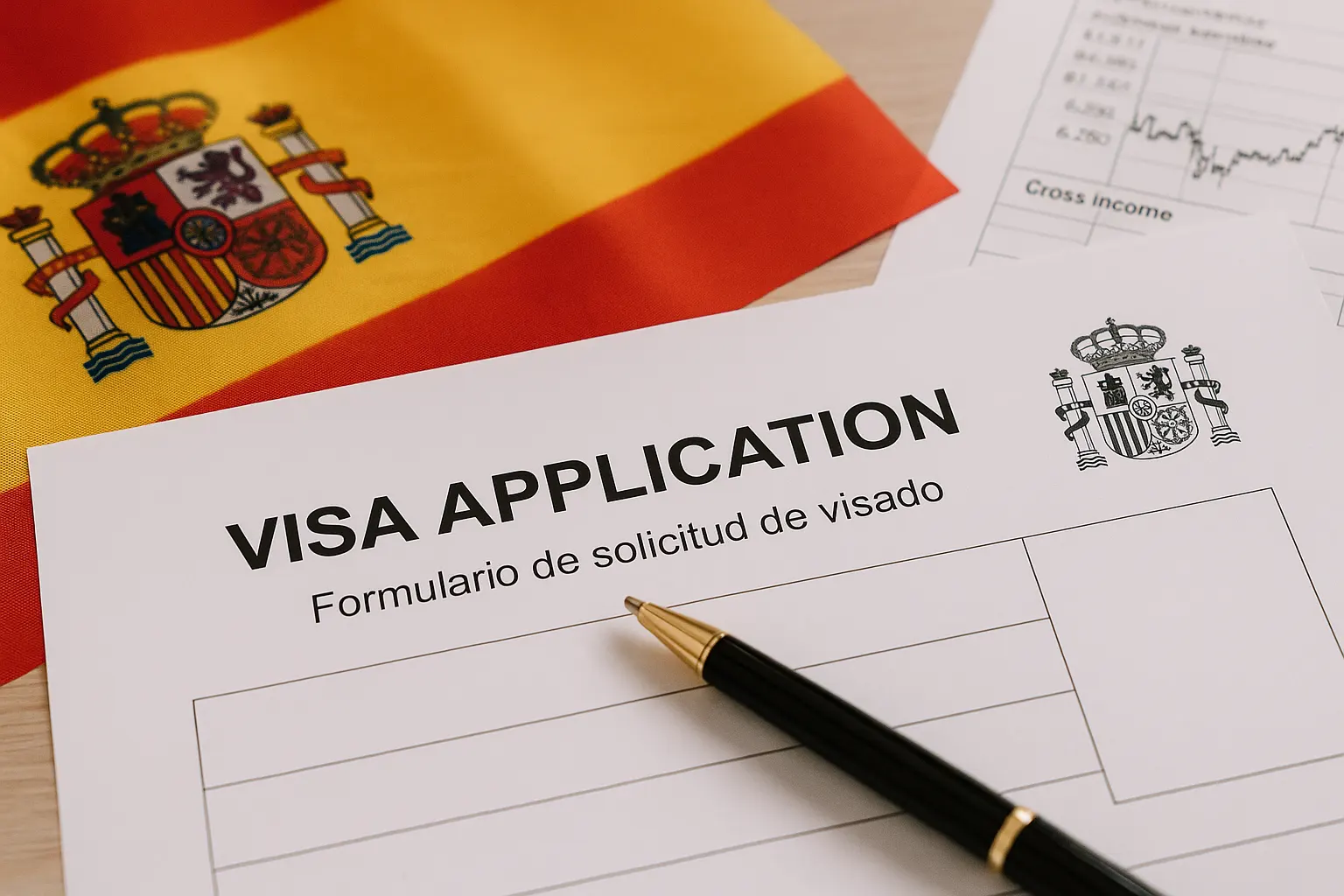
The rise of remote work and the digital nomad lifestyle has led many countries to offer special remote work visas in Europe for those who wish to work and live abroad. Two popular destinations for digital nomads are Spain and Portugal, both offering unique experiences and benefits through their respective Digital Nomad Visa programs. So before you consult your immigration lawyer, here are the following comparisons between the digital nomad visas of Spain and Portugal.
Spain’s Digital Nomad Visa
One of the primary advantages of Spain’s digital nomad visa is that it grants access to the entire Schengen area, including 26 European countries.
This means you can travel freely within these countries for up to 90 days within 180 days. Another benefit of the visa is that it allows you to bring your family by applying for a dependent visa, which grants them the same rights as the main applicant and the possibility to work in Spain.
To qualify for Spain’s Digital Nomad Visa, applicants must meet several requirements:
-
Eligibility Criteria: You must be a non-EU citizen, have a valid passport, and demonstrate that you work remotely for a company outside of Spain or run your own business.
-
Income Requirements: Applicants need to prove a minimum monthly income, typically around €2,800, although this amount may vary based on individual circumstances and family size.
-
Length of Stay: The visa allows for an initial stay of up to one year, with the possibility of renewal for two additional years.
-
Family Inclusion Options: You can bring family members by applying for dependent visas for your spouse and children, granting them similar rights as the main applicant.
The application process generally involves submitting various documents, including proof of employment, financial stability, health insurance coverage, and a clean criminal record certificate. It’s essential to apply at the Spanish consulate in your home country before relocating.

Portugal’s Digital Nomad Visa
Portugal’s digital nomad visa, the Non-Habitual Residency (NHR) program, is popular among remote workers. The program attracts foreign investment and talent to the country and offers a range of benefits for those who qualify.
Eligibility Criteria Comparison
|
Visa Type |
Eligibility Criteria |
Visa Costs |
Income Requirements |
Length |
Renewal Options |
Family Inclusion |
|
Non-Habitual Residency (NHR) |
Must not have been a resident of Portugal for the past five years; work remotely for a company outside Portugal or be self-employed; spend at least 183 days in Portugal. |
Around €500 (varies based on specific circumstances). |
Minimum income based on Portuguese salary thresholds; proof of consistent earnings required. |
Initially granted for 1 year, renewable for up to 5 years. |
Renewable upon meeting residency and income requirements. |
Yes, family members can join under specific conditions. |
|
D8 Temporary-Stay Visa |
Must have a viable business plan or be self-employed; proof of income sufficient to support yourself; no prior residency in Portugal. |
Approximately €100-€200 (depends on nationality and application specifics). |
Proof of income that meets or exceeds the Portuguese minimum wage. |
Valid for up to 2 years, with possibility of renewal. |
Renewable if business activity is ongoing and income requirements are met. |
Possible; dependents can apply alongside primary applicant. |
|
D7 Passive Income Visa |
Must demonstrate stable passive income (rental, investments); proof of accommodation in Portugal; no previous residency. |
Similar range as D8; around €100-€200 depending on factors. |
Income must be above a certain threshold (typically 70% of the national minimum wage). |
Initially granted for 1 year, renewable for up to 5 years. |
Renewable if income stability is proven and residency requirements are met. |
Yes, family members can apply with the main applicant. |
Application Process Overview
-
NHR Program: Gather necessary documentation (proof of income, tax records), apply at local tax office in Portugal.
-
D8 Visa: Submit application at Portuguese consulate with business plan, proof of income, and accommodation details.
-
D7 Visa: Provide evidence of passive income sources, accommodation proof, and apply at consulate or embassy.
Another benefit of the NHR program is that it offers a fast-track residency permit, allowing you to live and work in Portugal legally. This means you can access public services, such as healthcare, and apply for citizenship after five years of residency.
Which is Better: Spain or Portugal?
When it comes to deciding between Spain and Portugal, it depends on your personal preferences and needs. Here are the following factors to consider:
-
Cost of Living: Spain and Portugal offer a relatively low cost of living compared to other European countries. However, Portugal is generally cheaper than Spain, particularly regarding accommodation and food. This is an important aspect to consider in your digital nomad visa comparison Spain vs Portugal.
-
Climate: Spain is known for its warm, sunny weather, particularly in the southern regions. Meanwhile, Portugal has a mild climate but can be cooler and rainier in the north.
-
Language: Considering which language you prefer to learn may be worth considering if you’re not fluent in either Spanish or Portuguese unless you’re willing to learn.
-
Digital Nomad Visa Benefits: Both countries offer unique digital nomad visa benefits Spain Portugal. Spain’s visa includes access to a vibrant culture and diverse cities, while Portugal offers a more affordable lifestyle and stunning landscapes.
-
Tax Incentives: When considering your move, look into the tax incentives for digital nomads in Spain and Portugal. Portugal’s non-habitual resident scheme offers significant tax breaks, whereas Spain has its own set of incentives that vary by region.
Final Thoughts
Comparing the digital nomad visas of Spain and Portugal, both countries offer attractive opportunities for remote workers seeking to experience the allure of the Iberian Peninsula. Additionally, other European countries like Italy with its Digital Nomad Visa and Croatia offering a Digital Nomad Residence Permit also present enticing options for those looking to work remotely while exploring new cultures. However, if you’re still hesitant about the difference between Spain and Portugal, consult your immigration lawyer for the best option.
NIM Immigration Lawyers has a team of reliable and equipped immigration lawyers in Barcelona that can help US or UK citizens with their digital nomad visa applications for Spain and Portugal. They can provide expert advice and assistance in choosing the best option for your needs and preferences. Consult with us today!
FAQs (Frequently Asked Questions
What are digital nomad visas available in Spain and Portugal?
Spain and Portugal offer digital nomad visas that allow remote workers to live and work legally in these countries while enjoying access to the broader European region
What benefits does the Spain visa provide for digital nomads?
The Spain visa grants access to the Schengen area, allowing 90 days of travel within 180 days across 26 European countries. It also offers dependent visas for family members and includes work rights for visa holders
What is Portugal’s Non-Habitual Residency (NHR) program for digital nomads?
Portugal’s NHR program attracts foreign investment and talent by requiring remote work or self-employment outside Portugal. It mandates a minimum stay of 183 days per year, offers a fast-track residency permit, access to public services, and eligibility for citizenship after 5 years.
How do Spain and Portugal compare in terms of cost of living and climate for digital nomads?
Spain generally has a lower cost of living compared to Portugal. Climate-wise, Spain tends to be warm and sunny, while Portugal has a milder, cooler climate with rainier conditions in the northern regions
What language considerations should digital nomads keep in mind when choosing between Spain and Portugal?
Language preference plays a role; Spanish is spoken in Spain, whereas Portuguese is the official language in Portugal. Choosing based on language comfort can enhance daily life and integration.
Why should I consult an immigration lawyer before applying for a digital nomad visa in Spain or Portugal?
An immigration lawyer can provide personalized advice on the best visa option based on your circumstances, help navigate legal requirements, ensure compliance, and streamline the application process for living and working remotely on the Iberian Peninsula.