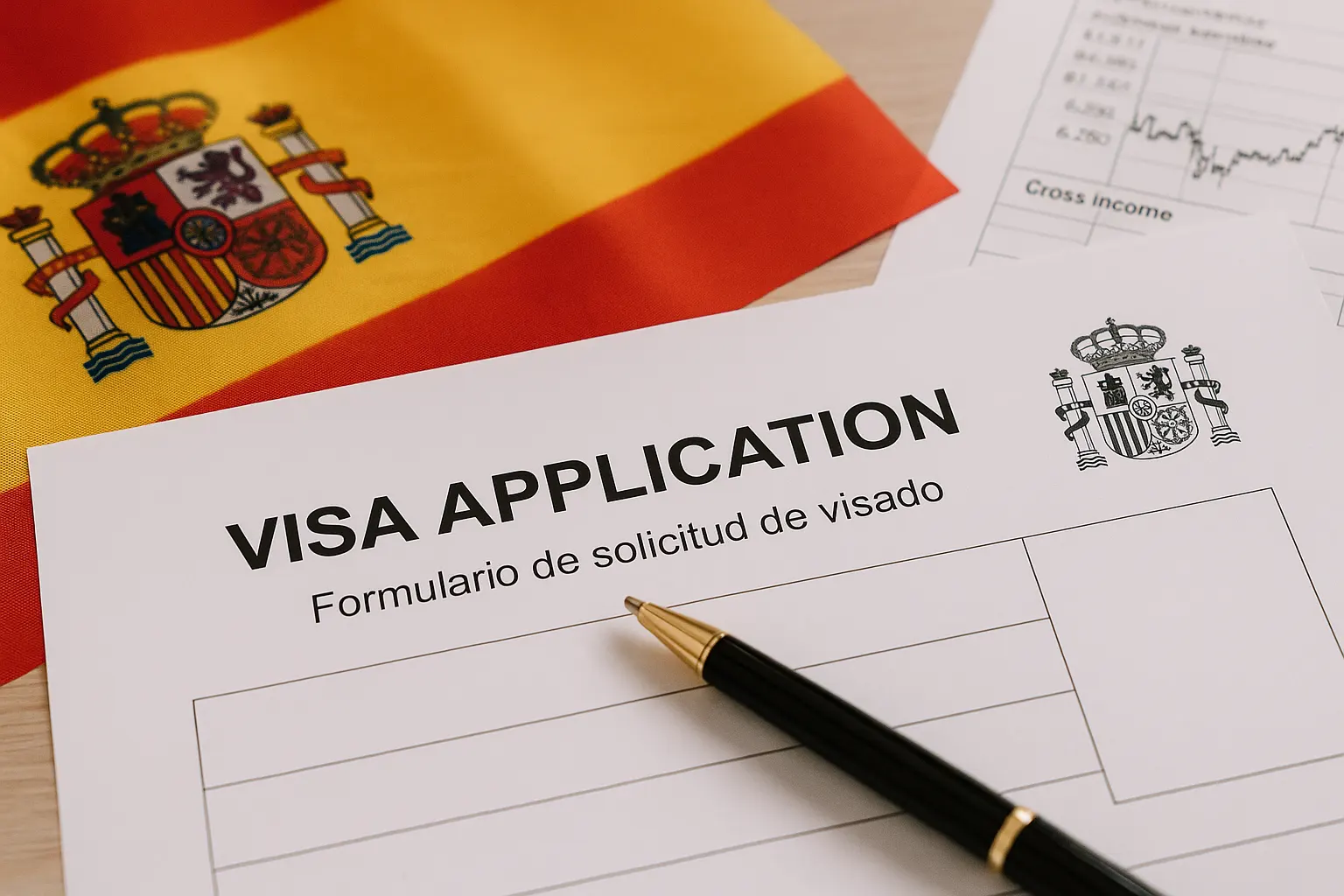


Spain’s Digital Nomad Visa attracts remote workers from outside the EU/EEA seeking legal residence while working remotely. Navigating this application can be complex, with common pitfalls leading to visa delays or outright rejections. Understanding these challenges is essential for success.
Key issues include:
- Missing or incomplete documentation
- Insufficient proof of stable income
- Incorrect health insurance coverage
- Late registration with local authorities
- Unofficial employer letters
This guide details the Top 10 Delays and Rejections in Spain’s Digital Nomad Visa (and How to Fix Them), providing practical application tips to streamline your process and improve approval chances.
Understanding Spain’s Digital Nomad Visa Requirements
The Digital Nomad Visa in Spain targets remote workers residing outside the EU/EEA who seek to live and work legally in Spain while maintaining employment or self-employment abroad. This visa provides an opportunity for non-EU/EEA citizens to enjoy Spain’s lifestyle without traditional work permit restrictions.
Key eligibility criteria for the visa include:
- Applicants must have a remote work contract with a company registered outside Spain or operate as self-employed professionals providing services abroad.
- Demonstration of stable monthly income exceeding approximately €2,763, ensuring financial independence during the stay.
- Proof of valid health insurance covering all medical risks without co-payments, meeting Spanish legal health coverage standards.
- A clean criminal record from countries where the applicant has resided in the last five years.
Applicants are required to submit comprehensive documentation such as:
- Employment contracts or evidence of self-employment activities.
- Recent bank statements or financial proofs validating income stability.
- Social security certificates confirming compliance with relevant regulations.
- Curriculum vitae (CV) outlining professional background.
- Official criminal background checks issued by competent authorities.
Strict adherence to these requirements minimizes the risk of processing delays or outright rejections. Careful preparation and organized submission of all documents aligned with consular guidelines form the foundation for a successful application under the eligibility digital nomad visa Spain framework.
Moreover, it’s important to note that this Digital Nomad Visa can potentially lead to residency and even citizenship in Spain, making it a valuable opportunity for those looking to establish a long-term presence in the country. Additionally, there is also a 5 Year Digital Nomad Visa available, which comes with its own set of eligibility criteria and benefits, including the possibility of living remotely with family and access to healthcare.
Top 10 Causes of Delays and Rejections in the Digital Nomad Visa Application and How to Fix Them
Applying for Spain’s Digital Nomad Visa involves strict adherence to documentation and procedural requirements. Failure to meet these standards often results in delays or outright rejections. Identifying common pitfalls can help applicants prepare more effectively.
1. Incomplete or Missing Documentation
Visa applications missing any required forms or supporting papers are frequently delayed or rejected. The document checklist digital nomad visa must be meticulously followed.
Fix:
- Compile a comprehensive checklist aligned with consulate requirements before submission.
- Verify that all documents, including contracts, financial proofs, criminal background checks, and health insurance certificates, are included.
- Double-check for signatures, stamps, and apostilles where necessary.
2. Insufficient Proof of Stable Income
Applicants must prove a stable monthly income above approximately €2,763. Submitting inadequate financial evidence causes processing issues.
Fix:
- Provide recent bank statements alongside signed employment contracts or client agreements.
- Ensure that income sources clearly demonstrate consistency and sufficiency.
- Include tax returns or social security contributions if applicable.
3. Employer or Client Criteria Not Met
The employer or client must have been operational for at least one year, and the applicant’s work relationship should span a minimum of three months. Failure to meet these conditions leads to visa refusal.
Fix:
- Confirm employer/client eligibility carefully before applying by referring to this guide on valid clients or contracts for Spain’s Digital Nomad Visa.
- Request official company registration dates or business licenses as proof.
- Highlight contract start dates demonstrating the required tenure.
4. Lack of Proper Apostille Certification or Sworn Translations
Documents originating outside Spain must bear an apostille certification under the Hague Convention. Additionally, any non-Spanish documents require sworn translations by certified translators recognized by Spanish authorities.
Fix:
- Obtain apostilles on all foreign-issued documents such as diplomas, birth certificates, and police clearances.
- Employ sworn translators officially authorized in Spain for translating documents.
- Avoid uncertified translations or missing apostilles which invalidate submissions
5. Health Insurance Policies Not Meeting Spanish Standards
Insurance policies must provide comprehensive private coverage valid in Spain with zero co-payments. Partial coverage or policies with co-pays do not satisfy visa requirements.
Fix:
- Purchase private health insurance explicitly covering all risks within Spain.
- Verify that policy documents state no co-payments apply.
- Retain official policy booklets and certificates for submission
6. Criminal Record Issues
Criminal background checks older than three months or containing offenses disqualify candidates. Authorities require fresh, clean criminal records from the applicant’s country of residence.
Fix:
- Obtain police clearance certificates issued within the last three months.
- Ensure records explicitly confirm absence of criminal convictions.
- Use official channels to request criminal background checks to avoid delays
7. Applying From Incorrect Location or After Schengen Visa Expiration
Applications filed from unauthorized locations or after expiration of tourist/Schengen visas are automatically denied due to jurisdiction rules.
Fix:
- Submit applications through Spanish consulates abroad if currently outside the Schengen area.
- Apply before your existing visa expires to maintain legal status during processing.
- Confirm consulate-specific instructions regarding application locations
8. Failure to Register with Local Authorities on Time
Utilizing Expert Legal Assistance for a Smoother Application Process
Navigating Spain’s Digital Nomad Visa application can be complex, with detailed legal requirements and strict documentation standards. Engaging an immigration lawyer consultation digital nomad visa service offers critical advantages by reducing errors and accelerating approval times.
Specialized firms like NIM Immigration Lawyers provide comprehensive online consultations tailored to individual cases. These consultations include:
- Thorough case analysis to evaluate eligibility based on employment status, income stability, and documentation completeness.
- Guidance on legal nuances such as contractual obligations, compliance with health insurance regulations, and criminal record verification.
- Preparation assistance ensuring all forms and supporting documents meet consulate expectations exactly.
- Personalized strategies that address potential pitfalls identified in the Top 10 Delays and Rejections in Spain’s Digital Nomad Visa (and How to Fix Them).
Digital platforms used by these lawyers simplify communication and document management, eliminating the need for physical appointments. This streamlines the process while maintaining high standards of service quality and responsiveness.
Legal expertise helps applicants avoid common mistakes like incomplete paperwork or insufficient proof of income, which are frequent causes of delays or rejections. Early intervention from professionals familiar with Spanish immigration law significantly increases the likelihood of a smooth and successful visa application experience.
Conclusion
Successfully navigating the Top 10 Delays and Rejections in Spain’s Digital Nomad Visa (and How to Fix Them) depends on careful preparation and understanding of requirements. Applicants who spend time gathering complete documents, making sure income proof meets thresholds, and getting proper health insurance greatly reduce the chances of setbacks. Working with expert legal advisors like NIM Immigration Lawyers improves compliance through personalized case analysis, reducing mistakes that often lead to delays. Strategies to avoid delays digital nomad visa Spain focus on combining thorough self-preparation with professional guidance. This combined approach makes the application process smoother and increases the chances of getting timely approval for remote workers wanting to establish themselves in Spain.