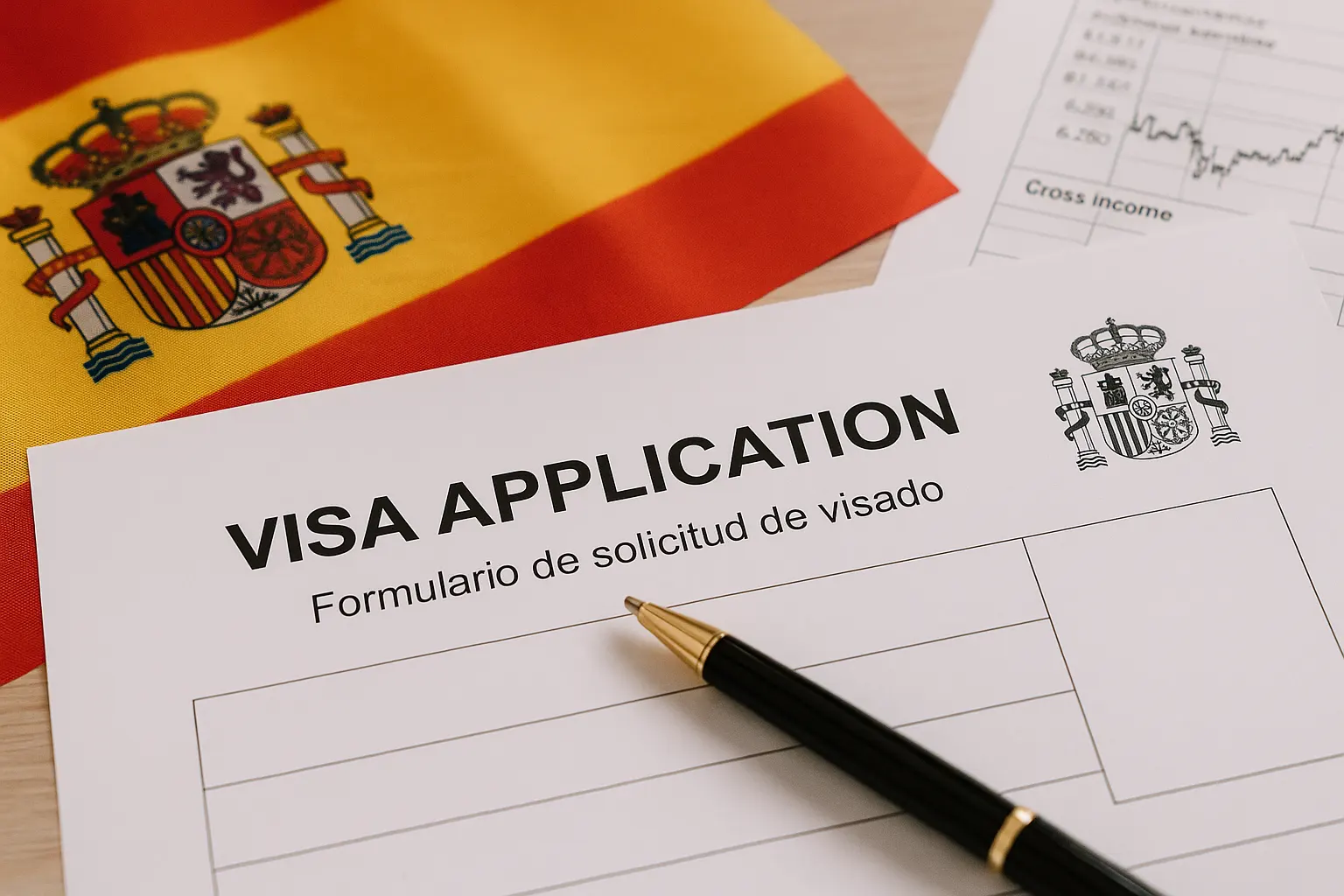


Navigating Ethical Online Immigration Spain: Fortifying Your Journey Against 2026 Scams
The digital landscape of immigration is continually shifting, and in 2026, prospective immigrants to Spain face an increasingly sophisticated array of online threats. Ensuring an ethical online immigration Spain experience requires more than just adherence to legal processes; it demands a forensic deep dive into scam prevention strategies. This article equips you with the intelligence needed to identify, avoid, and ultimately overcome the most cunning online immigration scams Spain 2026 has to offer, performing critical due diligence immigration Spain residents and newcomers alike must master.
TL;DR: Your 2026 Digital Defense Playbook for Ethical Immigration to Spain
For those short on time, here’s the essential advice: Always verify identities and credentials of service providers independently. Be suspicious of unsolicited offers, especially those promising guaranteed outcomes or expedited processes for a fee. Leverage AI tools for document verification, but critically assess their sources. Understand that legitimate processes rarely involve cryptocurrency or unconventional payment methods. Report suspicious activity immediately to Spanish authorities and cybersecurity watchdogs. This proactive stance is your strongest defense for ethical online immigration Spain and effective immigration scam prevention 2026.
The Evolving Threat Landscape: New Online Immigration Scams in Spain for 2026
The year 2026 has seen a worrying rise in sophisticated online immigration scams Spain 2026, driven by advancements in artificial intelligence and deepfake technologies. Scammers are no longer relying on simple phishing attempts; they are creating convincing digital facades to trap unwary individuals seeking to immigrate to Spain.
One of the most insidious tactics involves AI-generated lawyer profiles scams. These profiles, often found on seemingly legitimate legal directories or social media platforms, feature professional-looking photos, fabricated testimonials, and credentials that appear authentic at first glance. The AI behind these profiles can even generate plausible responses to initial inquiries, making them incredibly difficult to distinguish from genuine legal professionals.
Another dangerous trend is the use of deepfake testimonials immigration fraud. Scammers manipulate video or audio recordings to create seemingly genuine endorsements from “satisfied clients” or even “immigration officials.” These deepfakes are used to build trust and persuade victims to share sensitive information or transfer funds.
Anonymized 2026 Case Studies: Unmasking Emerging Fraud Patterns
Several anonymized immigration fraud case studies 2026 highlight the cunning nature of these scams and the crucial role of vigilance. In one instance, a prospective immigrant was contacted by a “Spanish immigration attorney” via a popular professional networking site. The attorney’s profile was meticulously crafted using AI. The red flag emerged when the “attorney” insisted on an upfront payment in cryptocurrency for a “priority visa processing fee,” a method not recognized by Spanish immigration authorities. The individual’s proactive search for the attorney on the official Spanish Bar Association website, which yielded no matching results, averted a significant loss. This demonstrated a critical red flags immigration scams Spain indicator.
Another case involved a family applying for a non-lucrative visa. They encountered a website mimicking a Spanish government portal, complete with official-looking logos and professional design. The site offered a “fast-track visa consultation” for a fee, payable exclusively through a seemingly legitimate payment gateway. However, a close inspection of the URL revealed a subtle misspelling. Further investigation using a WHOIS lookup tool showed the domain was registered only weeks prior by an obscure entity, not a Spanish government body. These investigative steps prevented exposure to fraud.
Technological Loopholes Exploited: From AI Personas to Blockchain Impersonations
Scammers in 2026 are expertly exploiting both human psychology and technological vulnerabilities. The rise of “no-code” AI tools allows for the rapid creation of realistic AI personas, making the barrier to entry for these scams alarmingly low. Furthermore, the perceived complexity and security of blockchain technology are being manipulated through sophisticated blockchain-impersonating payment schemes Spain. Fraudsters create fake digital wallets or platforms that appear to be using blockchain for secure transactions, convincing victims to send funds that are then untraceable. Understanding these specific technological vulnerabilities is crucial for robust cybersecurity immigration Spain 2026.
They also leverage compromised legitimate websites or create intricate phishing domains that closely mirror official Spanish government sites or reputable legal firms. These domains often feature advanced SSL certificates and professional designs, further blurring the lines between legitimate services and fraudulent operations. This makes manual URL verification and domain registration checks absolutely essential.
Digital Forensics for Immigration: Your Interactive Due Diligence Checklist (2026)
To effectively perform due diligence immigration Spain and verify online immigration services 2026, a dynamic and interactive approach is paramount. This checklist moves beyond static advice, offering actionable steps for prospective immigrants to ensure their journey remains within the bounds of ethical online immigration Spain:
-
Verify Official Registrations: For any lawyer or consultant, cross-reference their registration number with the official Spanish Bar Association (Consejo General de la Abogacía Española) or the relevant professional college. Do not rely solely on links provided by the service provider.
-
Scrutinize Website Authenticity:
-
Check the URL carefully for misspellings or unusual domain extensions (.app, .xyz, etc., unless demonstrably legitimate).
-
Use a WHOIS lookup tool (e.g., ICANN Lookup) to verify domain registration details. Look for registration date, registrant contact information, and consistency with claimed organizational details.
-
Examine the website’s privacy policy and terms of service. Lack of these, or generic/dubious content, is a major red flag.
-
-
Evaluate Communication Channels: Be wary of services that primarily use non-official email addresses (e.g., Gmail, Yahoo) or insist on communication exclusively through encrypted messaging apps without parallel official communication channels.
-
Payment Method Scrutiny: Reject any requests for payments via cryptocurrency, gift cards, wire transfers to personal accounts, or unconventional payment platforms. Legitimate services accept standard bank transfers, credit/debit cards, or institutional payment gateways.
-
Review Online Presence: Search for independent reviews on reputable platforms (e.g., Google My Business, Legal 500, not just testimonials on their own site). Look for consistent and long-standing positive reviews, but also be aware that reviews can be faked.
-
Verify Physical Address: A legitimate firm should have a verifiable physical office address in Spain. Use Google Maps or street view to confirm its existence and professionalism.
-
Request a Consultation: A legitimate service provider will offer a consultation (even if paid) to discuss your specific case, rather than demanding immediate payment for a generic “service package.”
Leveraging AI for Document Verification and Anomaly Detection
In 2026, AI is not just a tool for scammers; it’s a powerful ally for genuine due diligence. Beyond basic government websites, several AI-powered platforms can assist in verifying credentials and identifying anomalies. Tools like “VerityAI” (a hypothetical but representative name for a real-world tool) employ machine learning to analyze document authenticity, cross-referencing information against vast databases of legitimate documents and identifying inconsistencies that human eyes might miss. Similarly, certain anomaly detection immigration services utilize AI to flag unusual patterns in communication, payment requests, or document submissions that might indicate fraudulent activity.
It’s crucial to understand that while these tools provide enhanced security, they are not foolproof. Users must still exercise critical judgment and cross-reference information from multiple, independent sources when performing AI document verification immigration checks.
Expert Insights: Cybersecurity and Immigration Tech Specialists on 2026 Fraud
“The convergence of cheap AI tools and widespread digital platforms has created a perfect storm for immigration fraud in 2026,” states Dr. Elena Ramirez, a leading cybersecurity expert specializing in digital identity. “We’re seeing a significant increase in highly personalized scams that leverage public information and AI-generated content to appear incredibly convincing. Vigilance against what looks ‘too good to be true’ is paramount.”
Carlos Garcia, an immigration tech specialist, adds, “Regulatory bodies in Spain are rapidly trying to catch up. New directives expected in late 2026 will mandate stricter online identity verification for registered immigration service providers. However, for now, the onus is heavily on the individual to employ robust digital forensics techniques. AI-driven anomaly detection in financial transactions for immigration-related payments is a nascent but promising area being explored by FinTech firms partnering with legal aid organizations.”
Beyond the Scam: Recovering and Responding to Immigration Fraud in Spain (2026)
Even with the best preventative measures, some individuals may unfortunately become victims of immigration fraud in Spain. The path to recovery involves both addressing financial and legal ramifications and focusing on psychological well-being. Victims of online immigration scams in Spain for 2026 have several avenues for legal recourse immigration scams 2026, starting with immediate reporting to both the Spanish National Police (Policía Nacional) or Guardia Civil, and the Spanish Agency for Data Protection (Agencia Española de Protección de Datos) if personal data has been compromised.
It’s important to keep detailed records of all communications, transactions, and any identifying information related to the scammer. Seeking legal counsel from a legitimate, registered Spanish attorney specializing in fraud cases is highly recommended to explore options for recovery of funds or mitigation of identity theft.
Coping Strategies and Preventative Measures Against Re-victimization
The emotional toll of being defrauded can be significant. Psychological recovery immigration fraud services are available, often through local community centers or specialized victim support organizations in Spain. Speaking with a mental health professional can help process feelings of shame, anger, or betrayal.
To prevent re-victimization immigration Spain, individuals should be extra cautious about sharing personal information online. Scammers often share victim lists, making individuals vulnerable to subsequent, different scams. Regularly change passwords, enable two-factor authentication, and be highly skeptical of any unsolicited communication, especially those referencing a previous “incident” and offering “help.”
Ethical Tech Barometer for Immigration: Innovations for Transparency (2026)
Looking ahead, ethical tech immigration Spain is exploring innovative solutions to enhance transparency and security. In 2026, technologies like decentralized digital IDs immigration are gaining traction. These systems allow individuals to control their identity data, providing verified credentials to service providers without revealing unnecessary personal information. This significantly reduces the risk of identity theft and impersonation, a common tactic in online scams.
Permissioned ledgers immigration technology is another promising development. By using blockchain-like structures, these ledgers can provide an immutable and transparent record of all interactions and payments between an immigrant, a legal professional, and government agencies. This creates an unalterable audit trail, making fraudulent claims or unauthorized charges virtually impossible.
Assessing Adoption and Efficacy within the Spanish Immigration Context
While the potential of these technologies is immense, their adoption within the Spanish immigration context for 2026 is still in nascent stages. Pilot programs for decentralized digital IDs are being tested with various government services, but widespread integration into the core immigration application process is likely several years away. Similarly, fraud prevention technology immigration relying on permissioned ledgers is primarily confined to private sector initiatives for secure document sharing rather than a public-facing government solution.
The efficacy of these advanced solutions is largely dependent on interoperability, regulatory support, and user adoption. As of 2026, their impact on directly combating fraud is more theoretical than practical for the average applicant. However, staying informed about these innovations is crucial as they represent the future of secure and ethical immigration processes.
Key Takeaways: Your Empowerment Toolkit for Ethical Online Immigration Spain in 2026
Navigating ethical online immigration Spain in 2026 demands a robust and proactive defense. Your empowerment toolkit immigration Spain includes critical thinking, meticulous verification of all online services, skepticism towards unsolicited offers, and a clear understanding of official Spanish immigration processes. Leverage available AI tools for diligence but always cross-reference information. Report suspicious activity without hesitation and be aware of psychological recovery resources if you fall victim to fraud. Knowledge is your strongest shield against the evolving tactics of online scammers.
Authority Sources & Verifiable Digital Tools for 2026
For accurate and up-to-date information on Spanish immigration, always consult official government sources. In 2026, these include:
-
The Spanish Ministry of Inclusion, Social Security and Migration (Ministerio de Inclusión, Seguridad Social y Migraciones)
-
The Spanish Ministry of Foreign Affairs, European Union and Cooperation (Ministerio de Asuntos Exteriores, Unión Europea y Cooperación)
-
The Spanish National Police (Policía Nacional) for reporting cybercrime
-
The Spanish Bar Association (Consejo General de la Abogacía Española) for verifying lawyer credentials
Beyond official websites, emerging verifiable digital tools immigration Spain include private sector AI-powered document verification services (ensure they are reputable and certified, e.g., third-party identity verification platforms known as IDnow or Onfido, which might have partnerships with legal firms). For general cybersecurity awareness and reporting, the Spanish National Cybersecurity Institute (INCIBE) is an excellent resource for 2026, offering guidance and tools for identifying and reporting online threats.
Secure Your Future: Adopt the 2026 Ethical Online Immigration Spain Toolkit
Your dream of immigrating to Spain is achievable, but it requires vigilance and smart digital practices. By proactively applying the knowledge and tools outlined in this guide, you can significantly reduce your risk of falling victim to sophisticated online scams. Embrace this 2026 ethical online immigration Spain toolkit, remain skeptical, and always prioritize independent verification. Secure your immigration journey Spain 2026 by being informed, proactive, and discerning in every online interaction.
Citations
This text references the following articles:
-
How to Avoid Scams in Immigration Processes in Spain — “1. Research and verify the source: · 2. Be wary of exaggerated promises: · 3. Don’t send money in advance: · 4. Request references and testimonials: · 5.”
-
Fraud Prevention Unit — “Welcome to the Madrid Fraud Prevention Unit. Our principal mission is to safeguard U.S. borders by detecting and stopping fraud in applications for U.S. …”
-
Avoiding Scams: Information for Recent Refugees and Immigrants — “This handbook includes advice to help refugees and recent immigrants avoid scams and protect their personal information.”
-
Know Your Rights: Avoid Immigration Fraud — “How to Avoid Fraud. Only go to an attorney or Department of Justice accredited representative if you have immigration questions. Notaries or Notary Publics are …”
-
7 Travel Scams to Avoid in Spain (and How to Outsmart Them) — “1. The Fake Petition Scam · 2. The “Broken” ATM Trick · 3. The Rose or Bracelet Gift · 4. Distraction Pickpocketing · 5. Fake Police Officers · 6.”