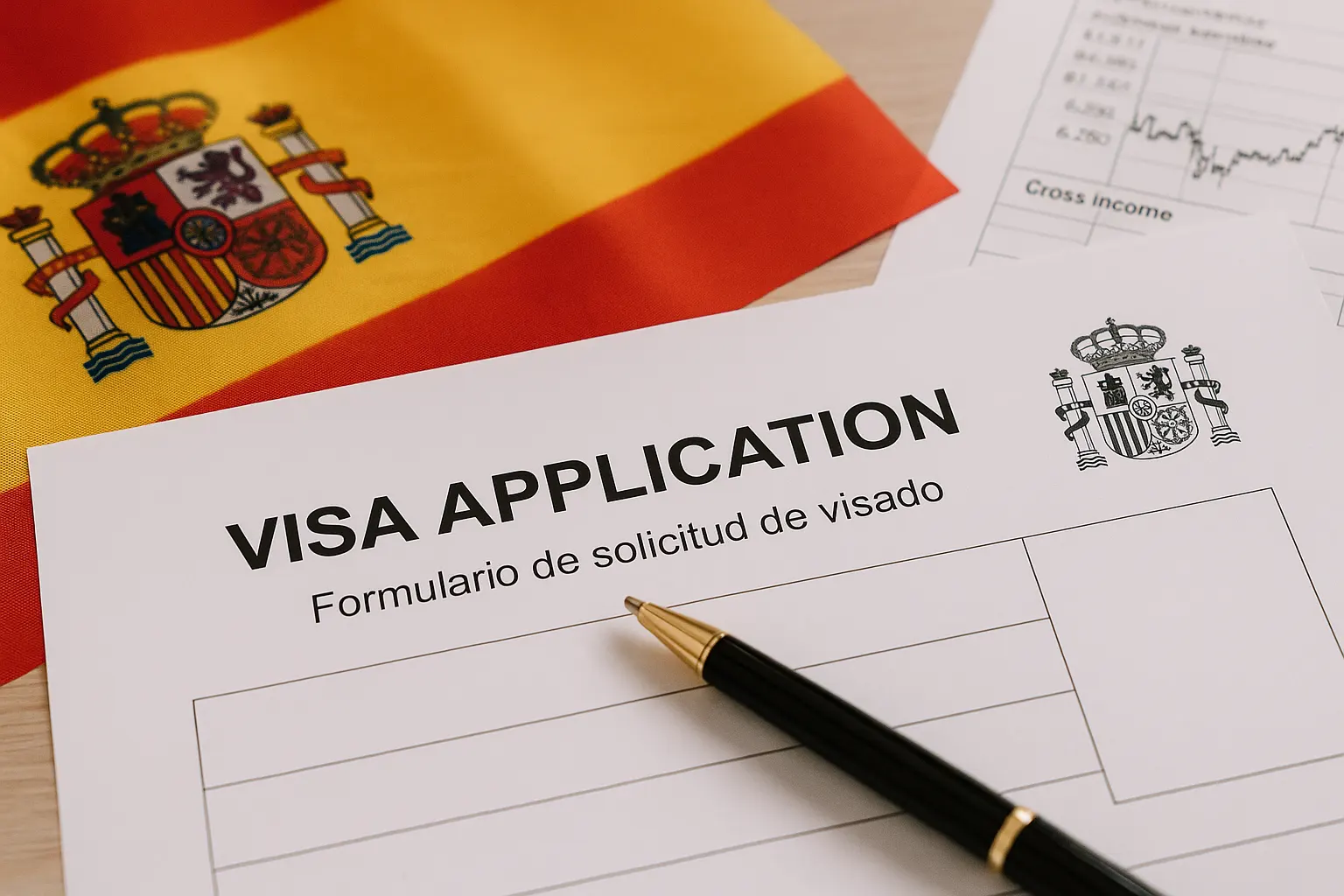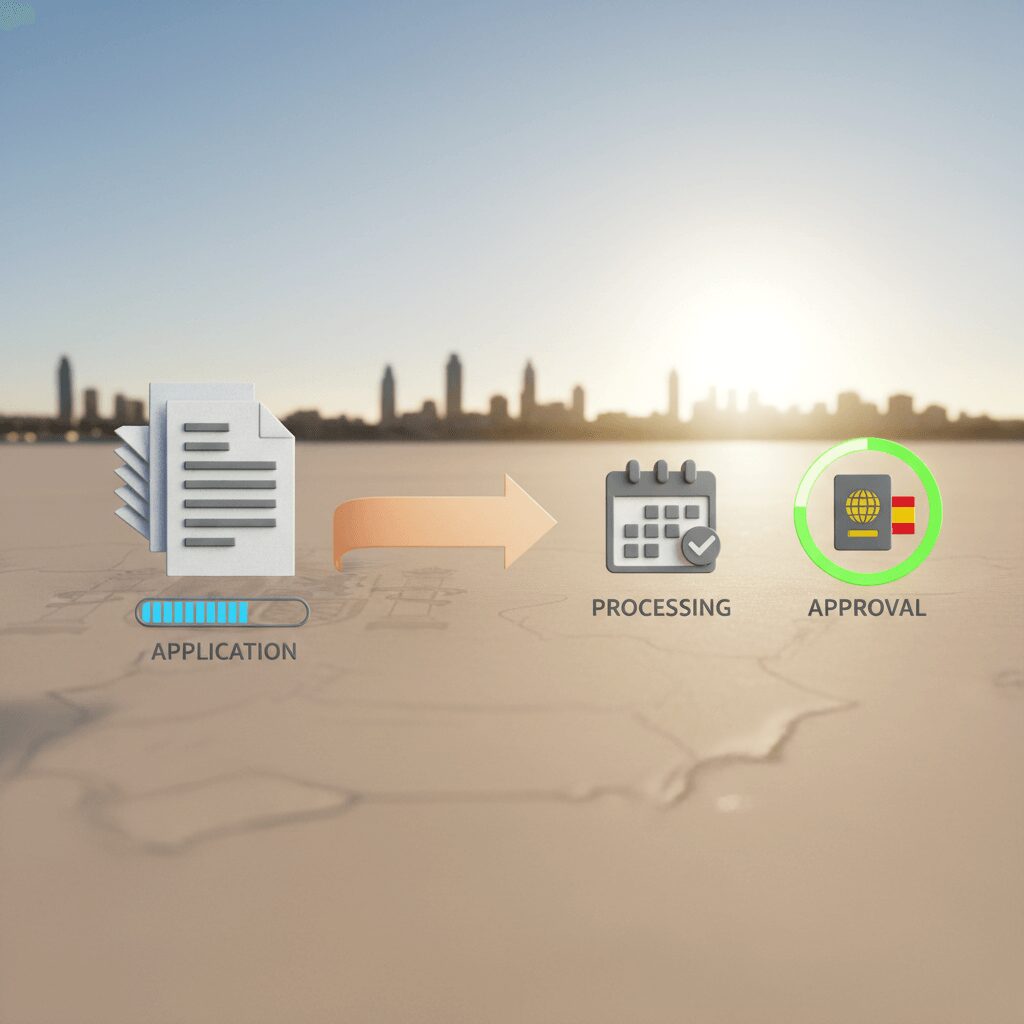


Embarking on the journey to secure a nomad visa Spain in 2026 requires more than just understanding the basic requirements; it demands a micro-granular approach to your timeline. As of January 2026, the landscape for digital nomad visas has matured, yet processing intricacies persist. This guide provides a detailed, micro-phased timeline designed to navigate the application process effectively, emphasizing realistic durations and proactive strategies to ensure your transition to Spain is as smooth as possible.
Introduction: Beyond the Basics – Your Micro-Phased 2026 Nomad Visa Spain Timeline
The Spanish Digital Nomad Visa, a beacon for remote workers seeking a vibrant European base, continues to attract thousands. However, simply knowing the general steps is no longer sufficient. For 2026, a truly effective strategy for your nomad visa Spain application necessitates a micro-phased timeline. This approach dissects each stage into smaller, manageable segments, complete with realistic time estimations. Our focus is on empowering you with the insights needed to anticipate potential bottlenecks and proactively manage your application journey in 2026.
Why a Micro-Phased Approach is Essential for Your 2026 Journey
In 2026, the volume of nomad visa Spain application submissions continues to be significant, influencing processing times and the likelihood of information requests. A micro-phased approach is crucial for several reasons:
- Realistic Expectations: It provides granular timeframes, helping you understand precisely how long each administrative step might take, from document preparation to final adjudication.
- Proactive Problem Solving: By breaking down the process, you can identify potential hurdles (e.g., delays in certified translations or Apostille processing) much earlier, allowing for preemptive action.
- Improved Management: Rather than viewing the application as a single, daunting task, smaller phases make it more manageable, reducing stress and increasing clarity.
- Optimized Strategy: Understanding the current 2026 processing times and common delays allows you to build buffering periods into your personal timeline, avoiding last-minute rushes.
Phase 1: Precision Pre-Application – Document Collation & Digitization (2-4 Weeks)
The foundation of a successful nomad visa Spain application in 2026 lies in impeccable document preparation. This initial phase, often underestimated, can take 2 to 4 weeks. It involves not just gathering, but meticulously preparing and digitizing every required piece of documentation according to stringent Spanish governmental standards.
Key elements include:
- Passport and national ID copies.
- Proof of funds adapted to 2026 minimums (e.g., bank statements, investment portfolios).
- Proof of remote work (contracts, client testimonials, company registration if self-employed).
- Professional qualifications and CV.
- No criminal record certificate from your home country and any country of residence for the past five years.
- Private health insurance valid in Spain.
- Marriage certificates or birth certificates for dependents, if applicable.
All foreign documents must be officially translated and, in many cases, apostilled.
Navigating 2026 Certified Translations and Apostille Processing
For your nomad visa Spain documents, certified translations into Spanish are mandatory. These must be performed by a sworn translator recognized by the Spanish Ministry of Foreign Affairs, European Union and Cooperation. This is not a task for Google Translate; accuracy and official recognition are paramount. The process can take anywhere from a few days to two weeks, depending on the document length and the translator’s current workload.
The Apostille of The Hague is another critical step, authenticating the origin of public documents (like criminal record checks, birth certificates, marriage certificates) for use in Spain. The timeline for obtaining an apostille can vary significantly:
- United States: Often processed at the Secretary of State’s office in the state where the document originated. Times can range from a few days for in-person service to several weeks by mail.
- United Kingdom: The Foreign, Commonwealth & Development Office (FCDO) handles apostilles. Post-Brexit, the demand and processing times can fluctuate, typically 1-2 weeks. Planning ahead is vital for your apostille service needs.
- Canada: Requires authentication by Global Affairs Canada before apostille by provincial authorities in some cases, adding complexity and time (up to 3-4 weeks total).
Best Practice for 2026: Begin the criminal record check and apostille process well in advance. Check the specific requirements and estimated processing times with the relevant authorities in your country. Some services offer expedited processing for an additional fee, which might be a worthwhile investment to avoid delays.
Phase 2: Seamless Submission – Online Portal & Fee Payment (1-3 Days)
Once all your documents are meticulously prepared, translated, and apostilled, the next micro-phase involves the actual submission of your nomad visa Spain portal application. This is typically done through a designated online platform, followed by fee payment, generally taking 1 to 3 days to complete efficiently.
The online portal requires careful navigation. You will upload digitized copies of all your prepared documents. Ensure each file adheres to the specified size and format requirements (e.g., PDF format, maximum file size). Attention to detail here prevents immediate rejection or requests for re-submission.
The fee payment 2026 process is usually integrated into the online portal, requiring a valid credit or debit card. Double-check all entered information before confirming payment. A successful payment typically generates a receipt or confirmation number, which is crucial for tracking your application.
Tips for Avoiding 2026 Technical Glitches & Submission Errors
Submitting an online application can sometimes be fraught with technical challenges. Based on 2026 observations, here are tips for a smooth nomad visa Spain submission:
- Use a Reliable Browser: Stick to widely supported browsers (Chrome, Firefox, Edge) and ensure they are updated.
- Stable Internet Connection: A patchy connection can lead to timeouts or incomplete uploads.
- Organize Files Clearly: Name your digital documents logically (e.g., “Passport_JohnDoe.pdf”, “CriminalRecord_Apostille.pdf”) to make uploading straightforward.
- Compress Large Files: If a document exceeds the maximum file size, use a PDF compressor tool to reduce its size without significant quality loss.
- Review Before Submitting: Before the final click, review every uploaded document and every data field for accuracy. A small typo can cause significant delays.
- Keep Screenshots: Take screenshots of confirmation pages, especially the one showing successful payment and application submission. This serves as proof in case of any system discrepancies.
- Official Guides: Refer to the official Spanish consulate or Ministry of Inclusion, Social Security, and Migration guides for the most current portal instructions. Seek technical support through official channels if genuine issues arise.
Phase 3: The Waiting Game – Initial Review & Deficiency Notices (20 days – 6 Weeks)
Post-submission, your application enters the “waiting game.” This initial review phase typically spans 4 to 6 weeks. During this period, Spanish authorities assess the completeness and accuracy of your submission. It’s a critical time where patience is key, but also one where you should be prepared to respond promptly to any requests for further information or clarification.
Understanding Typical 2026 Information Requests and How to Respond
Even with meticulous preparation, you might receive a deficiency notice. These nomad visa Spain deficiencies are common and not necessarily a cause for alarm if handled correctly. Common document requests in 2026 include:
- Further Proof of Funds: While initial statements are submitted, authorities might ask for more recent or detailed statements, or clarification on the source of funds.
- Clarification on Remote Work Arrangement: More evidence of your foreign company’s operations, a clearer employment contract, or a more detailed service agreement if you are self-employed.
- Health Insurance Particulars: Specific clauses in your policy might need clarification to ensure it meets Spanish standards (e.g., repatriation, full coverage in Spain).
- Criminal Record Details: If there are any ambiguities in the document, additional records or explanations might be requested.
How to Respond:
- Act Quickly: Deficiency notices usually come with a deadline (often 10 working days). Respond within this period.
- Provide Exactly What’s Asked: Do not submit extraneous documents. Focus on addressing the specific request.
- Ensure New Documents are Also Translated/Apostilled: If submitting entirely new documents, they may also require certified translation and apostille, repeating parts of Phase 1.
- Keep Records: Maintain a clear record of all communication, including dates and document versions sent.
Travel to Spain While Waiting: What You Can/Cannot Do in 2026
A common question during this waiting period is whether one can travel to Spain. Understanding the rules for traveling to Spain during your waiting period travel is crucial in 2026:
- As a Tourist (Visa Waiver): If your nationality allows visa-free entry to the Schengen Area (e.g., US, Canadian citizens), you can generally enter Spain as a tourist for up to 90 days within any 180-day period. This is permissible while your Nomad Visa application is pending.
- Working is Prohibited: Crucially, during your tourist stay or any non-work-permit visa stay, you cannot legally commence work in Spain, even remotely for a foreign company. The Nomad Visa specifically grants you the right to reside and work remotely. Violation of this can jeopardize your pending application and future immigration prospects.
- Switching Status: If you are already in Spain as a tourist, you can submit your Nomad Visa application from within Spain. However, you cannot legally work during the application processing period unless you have a separate legal work authorization.
- Exiting and Re-entering: If your tourist stay is nearing its end and your Nomad Visa is still pending, you will need to leave the Schengen Area. Re-entering on a separate tourist visa immediately might raise questions at immigration if it appears you are attempting to circumvent visa rules.
Recommendation: If your plan involves being physically in Spain, consider applying from your home country or a country where you have legal residency, then waiting for the approval before moving. This avoids potential complications related to legal presence and work rights during the processing time.
Phase 4: The Decision Point – Final Adjudication & Approval (a few days – 4 Weeks)
After the initial review and any deficiency responses, your application moves to the final adjudication stage. This phase, culminating in either approval or rejection, typically takes an additional few days to 8 weeks. This is where the authorities make the definitive decision on your visa adjudication.
The term “adjudication” refers to the formal legal process by which the immigration authorities review all submitted evidence and apply immigration laws and policies to your specific case. This leads to the final decision regarding your application. The approval timeframe can fluctuate based on the specific consulate or immigration office handling your case and the overall application volume in 2026.
Interpreting ‘In Progress’ Status in 2026 and Anticipating Your Decision
During this stage, your online application status might reflect “in progress,” “under review,” or similar vague descriptors. It’s important to understand what this means:
- “In Progress” Demystified: An “in progress” status simply indicates that your application has cleared initial checks and is actively being reviewed by a case officer. It does not mean imminent approval or rejection. It’s a standard status for the duration of the decision timeline.
- No Real-time Updates: Most systems do not provide granular, real-time updates on which specific step your application is on. The status will likely remain “in progress” until a final decision is made.
- Patience is Key: While frustrating, constant inquiries typically do not speed up the process and can sometimes even slow it down by diverting resources. Most offices have a policy against providing updates before a certain period has passed (e.g., 20 days).
- Anticipating Your Decision: Based on 2026 trends, if you haven’t received any deficiency notices within the first 20 days – 6 weeks (Phase 3), and your application seems robust, typically aim for a decision within the 20 days-4 week window of this final phase. Remember, the 20-day legal processing limit (implied positive administrative silence) is a maximum; approvals often happen sooner for well-prepared applications for your nomad visa Spain approval.
Troubleshooting & Expediting Toolkit for Your 2026 Nomad Visa Spain Journey
Even with a meticulously planned timeline, unforeseen challenges can arise. This toolkit provides practical strategies for your troubleshooting visa issues and offers expediting tips to minimize potential nomad visa Spain delays, drawing from recent applicant experiences.
Proactive Strategies for Avoiding 2026 Delays
The best way to expedite your process is to prevent delays before they occur. Here’s actionable nomad visa Spain advice to proactively prepare for common roadblocks in 2026:
- Start Early, Really Early: Begin document gathering and translation months before your intended move. Criminal record checks and apostilles can be major time sinks.
- Double-Check Everything: A single missing signature or an incorrectly formatted document can send your application back to the queue. Review every form and document against the official checklist multiple times.
- Understand Regional Consulate Variations: While the core requirements for the Nomad Visa are uniform, individual Spanish consulates or regional immigration offices can have slight procedural differences or varying processing loads. If applying from outside Spain, research the specific consulate serving your jurisdiction.
- Applying from within Spain is much faster and more efficient.
- Be Mindful of Holiday Periods: Spain has numerous public holidays (national, regional, and local), along with extended summer and Christmas breaks. Applying just before these periods will inevitably lead to longer wait times as government offices operate with reduced staff. Plan your submission date strategically.
- Prepare for the “Worst-Case” Information Request: Mentally (and practically) prepare what documents you would provide if asked for additional proof of funds, remote employment, or health insurance specifics. Having these supplementary documents ready in an easily accessible format can shave weeks off your response time.
- Use a Gestor or Immigration Lawyer: While not mandatory, experienced Gestors or immigration lawyers specializing in Spanish visas can significantly streamline the process. They are up-to-date on the latest 2026 regulations, understand common pitfalls, and can often spot errors before submission.
Learning from 2025/2026 Applicants: Anonymized Case Studies
Insights from recent applicants provide valuable lessons in navigating the nomad visa Spain insights. These applicant experiences highlight common pitfalls and successful strategies:
Case Study A (The Apostille Anomaly):
Applicant X, a US citizen, submitted their application in late 2025. They presumed their FBI criminal background check was sufficient. However, the consulate required an Apostille on the FBI report, which added an unexpected 3 weeks to their document preparation phase due to mail times to the authentication office. Lesson: Always confirm apostille requirements for ALL applicable documents, even federal ones.
Case Study B (The Regional Difference):
Applicant Y, from Canada, chose to apply directly from Spain. Their friend, who applied a few months earlier, received approval within the standard timeframe. For any applicant applying from within Spain, the law mandates a processing window of 20 working days. If no official response is received within this period, the application is granted through “administrative silence” (silencio administrativo), resulting in an automatic approval regardless of the regional office. Lesson: Processing times are legally capped at 20 working days for applications submitted within Spain.
Case Study C (The Holiday Hinderance):
Applicant Z, a UK citizen, submitted their application from UK in mid-December 2025. Despite being otherwise complete, the application only began review in the second week of January 2026 due to the Christmas and New Year’s holiday period. Their overall processing took closer to 100 days. Lesson: Avoid submitting during major holiday periods to minimize the initial delay before review begins.
Post-Approval Sprint: Your Immediate Next Steps in Spain (2026 Focus)
Congratulations! Receiving your nomad visa Spain approval is a significant milestone. However, the journey isn’t quite over. There’s a crucial “post-approval sprint” of administrative tasks you must complete upon arrival in Spain to cement your legal residency in 2026. These post-approval steps are essential for your smooth integration.
Securing Your NIE, Bank Account, and Empadronamiento in 2026
Upon arrival in Spain with your approved Nomad Visa, you have a limited timeframe (usually 30 days) to complete several administrative procedures:
- Obtaining Your NIE (Número de Identificación de Extranjero):
- This is your Foreigner’s Identification Number, essential for almost any official transaction in Spain.
- You will need to make an appointment (cita previa) at a National Police Station (Comisaría de Policía) equipped to issue NIEs or at the Oficina de Extranjería.
- Documents typically required include your passport, a copy of your visa approval, travel insurance, and the filled-out EX-17 form (application for TIE) and TASA 790, Code 012 (fee payment).
- The process for your NIE Spain can take a few weeks to get an appointment, so try to book one as soon as you have your visa.
- Applying for Your TIE (Tarjeta de Identidad de Extranjero):
- The TIE is your physical resident identification card. The NIE is merely the number; the TIE is the card itself.
- At your NIE appointment, you will also typically apply for the TIE. You’ll submit fingerprints, a passport-sized photo, and the required forms and fees.
- The physical TIE card is usually ready for collection several weeks (4-6 weeks) after your appointment.
- Opening a Spanish Bank Account:
- While you can use foreign cards, opening a Spanish bank account is vital for paying bills, receiving income, and generally living in Spain.
- You’ll need your NIE (or at least proof of application), passport, and often proof of address in Spain.
- Most major banks like Santander, BBVA, CaixaBank, and Sabadell offer accounts for non-residents transitioning to residents. The process of opening bank account is usually straightforward.
- Registering for Empadronamiento:
- The empadronamiento is your registration on the municipal census at your address in Spain. It’s proof of where you live and is required for many administrative tasks (e.g., healthcare registration, school enrollment for children, voting in local elections).
- You must secure an appointment at your local town hall (ayuntamiento).
- Documents required include your passport, TIE or visa, and proof of address (e.g., rental contract, property deeds). The empadronamiento process for 2026 remains a fundamental requirement.
- Timing: Start booking your NIE/TIE appointment as soon as you have your visa, even if you are still just planning your arrival. Appointments can be scarce, especially in larger cities.
Conclusion: Navigating Your 2026 Nomad Visa Spain Journey with Confidence
The journey to obtaining your nomad visa Spain in 2026 is multifaceted, requiring careful planning and a deep understanding of each micro-phase. By embracing this detailed approach – from meticulous document collation and informed submission to navigating the review period and completing post-approval tasks – you significantly enhance your chances of a smooth and successful outcome.
Remember, while the process has its complexities, a proactive mindset, attention to detail, and realistic expectations regarding 2026 processing times are your greatest assets. Spain continues to welcome digital nomads, and with this comprehensive guide, you are well-equipped for your 2026 planning. Your dream of becoming a digital nomad Spain is within reach, provided you tackle each step with confidence and precision. Prepare thoroughly, stay informed, and enjoy the rich experience that awaits you in Spain.
Frequently Asked Questions
Can a US citizen work remotely in Spain?
The article refers to the Spanish Digital Nomad Visa as a ‘beacon for remote workers seeking a vibrant European base,’ implying that remote workers, including those from the US, can utilize this visa. However, it does not explicitly state that US citizens can specifically work remotely in Spain, but discusses the process for ‘remote workers’ generally.
Is a Spain digital nomad visa worth it?
The article highlights that the Spanish Digital Nomad Visa ‘continues to attract thousands’ and focuses on providing a ‘detailed, micro-phased timeline designed to navigate the application process effectively,’ suggesting its desirability and the effort involved in obtaining it. It frames the visa as a desirable option for remote workers seeking a European base, indicating its value.
How much do you need to earn for a digital nomad visa in Spain?
The article mentions ‘Proof of funds adapted to 2026 minimums (e.g., bank statements, investment portfolios)’ as a key element of document preparation in Phase 1. However, it does not specify the exact minimum earnings required for the nomad visa in Spain.
How long does a nomad visa last in Spain?
The article focuses on the application process and timeline for obtaining the visa, particularly for 2026, but it does not specify the duration or how long the nomad visa itself lasts once approved.