Embarking on Your Spanish Immersion Journey: Best Programs to Learn Spanish Abroad in 2026
For individuals aspiring to master Spanish, 2026 presents an exceptional opportunity to combine immersive language acquisition with enriching cultural experiences. This article moves beyond generic program listings, offering a strategic framework for selecting the ideal environment to achieve fluency. Our focus is on providing a pragmatic decision-making roadmap, ensuring your investment in learning Spanish abroad in 2026 yields maximum linguistic and personal growth.
We will introduce a unique ‘Program Suitability Matrix’, designed to align your individual profile with the most effective learning pathways available in 2026. This approach considers crucial elements such as visa complexities, real-world cost implications, and innovative pedagogical methods.
Executive Summary: Your Strategic Language Acquisition Roadmap for 2026
This article outlines a strategic approach for individuals planning to learn Spanish abroad in 2026. Instead of a simple directory, we provide a robust decision-making framework, central to which is the ‘Program Suitability Matrix’. This tool empowers prospective students to evaluate program types against their specific needs, learning styles, and logistical considerations.
Key areas covered include detailed analyses of program structures, comprehensive visa guidance for various nationalities, transparent cost breakdowns extending beyond tuition, and insights into funding opportunities for 2026. This roadmap is engineered to facilitate an informed choice, making your journey to learn Spanish in 2026 both effective and enjoyable.
The 2026 Program Suitability Matrix: Matching Your Profile to the Ideal Spanish Program
The ‘Program Suitability Matrix’ is the cornerstone of our strategic language acquisition roadmap for 2026. This analytical tool enables a systematic evaluation of different program types against individual student profiles and critical decision-making criteria. Its purpose is to guide you toward a program that not only teaches Spanish but also aligns perfectly with your goals, budget, and logistical requirements.
By using this matrix, students can quantitatively score potential programs, ensuring a data-driven choice for their experience to learn Spanish abroad in 2026. This moves beyond anecdotal recommendations to a truly personalized selection process.
Deconstructing Program Types: Intensive Academies vs. University-Integrated Learning for 2026
Choosing the right program type is paramount for effective language acquisition. In 2026, the landscape offers diverse options, each with distinct advantages and disadvantages.
Intensive Private Academies
- Pros:
- Highly focused language instruction, often 20-30 hours per week.
- Smaller class sizes, promoting more individualized attention.
- Rapid progress due to concentrated effort and immersion.
- Flexible start dates throughout the year.
- Often include cultural activities and excursions.
- Typically geared towards quick acquisition for those who want to learn Spanish abroad 2026 effectively.
- Cons:
- Can be more expensive per hour of instruction compared to university programs.
- May offer less formal accreditation or transferable credits.
- Less integrated into local university life.
- Accommodation often arranged separately, though many offer homestay options.
University-Integrated Learning
- Pros:
- Offers academic credits transferable to home institutions.
- Provides a broader university experience, access to campus facilities and student clubs.
- Cultural integration opportunities through local student interaction.
- Often includes optional courses in history, literature, or art taught in Spanish.
- Strong academic rigor and recognized qualifications.
- Cons:
- Less flexible start dates (semester-based).
- Larger class sizes are common.
- Pacing might be slower than intensive academies.
- Bureaucracy can be more complex for enrollment and course selection.
Online-Blended University Certificates
- Pros:
- Flexibility to learn from anywhere, with an in-country immersion component.
- Cost-effective for initial stages, reducing upfront travel and living expenses.
- Combines structured online learning with practical application during immersion.
- Offers formal university certification upon completion.
- Cons:
- Requires strong self-discipline for online portions.
- Reduced daily immersion compared to fully in-person programs.
- May not be suitable for those seeking a complete ‘abroad’ experience from day one.
Short-Term Immersion Homestays
- Pros:
- Total immersion in a local family environment accelerates fluency.
- Authentic cultural experience and daily practice.
- Often includes personalized lessons with a tutor or family member.
- Can be highly cost-effective for shorter durations.
- Cons:
- May lack formal academic structure or accreditation.
- Quality can vary heavily depending on the host family.
- Less social interaction with other international students.
- Best suited for supplementary learning or advanced speakers refining their skills.
Visa Navigation for 2026: Requirements for Diverse Nationalities (US, UK, Canadian, Australian, Non-EU Citizens)
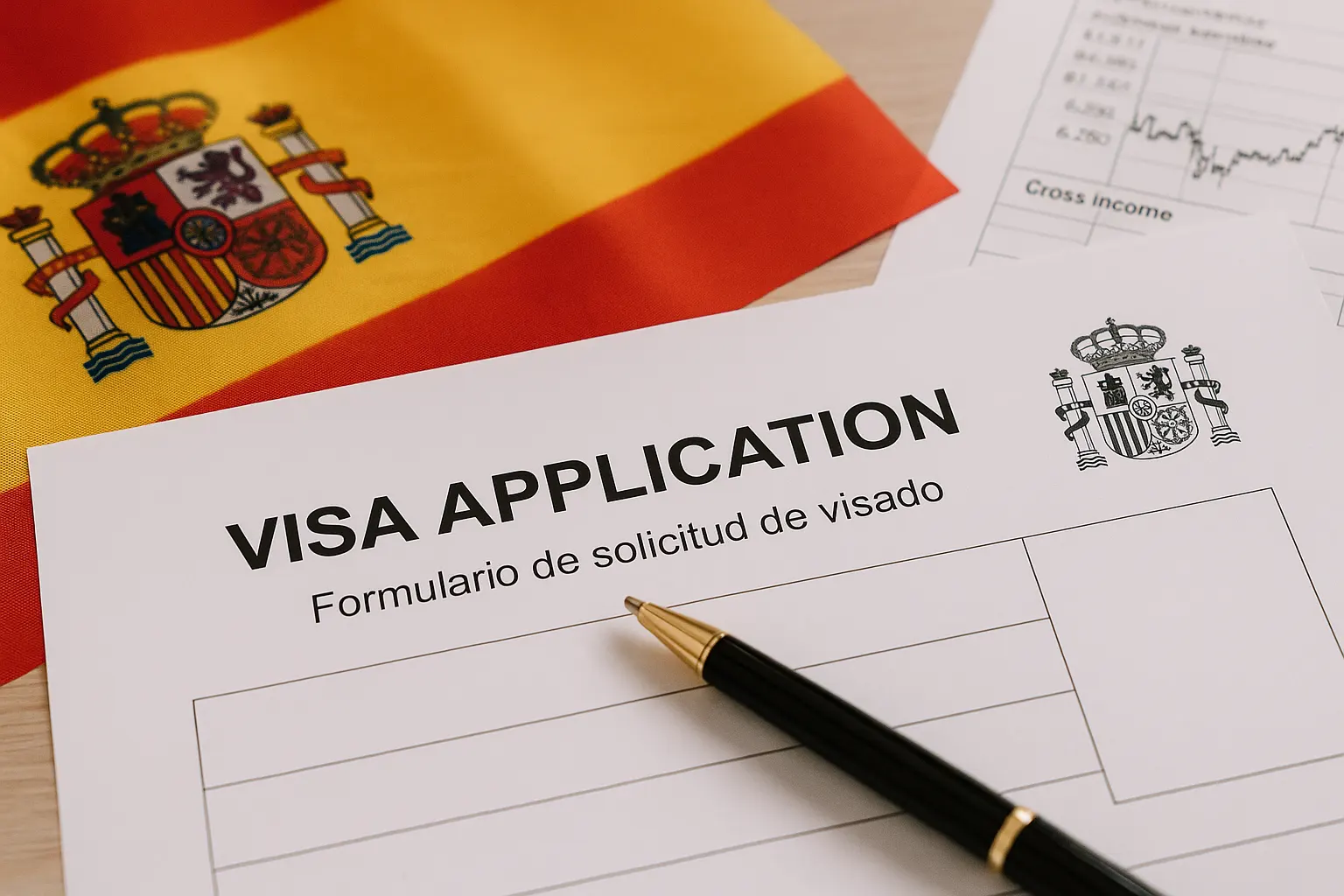
Navigating visa requirements is a critical step for anyone planning to learn Spanish abroad in 2026. Rules can be complex and are subject to change, so consulting official governmental websites is imperative. Always begin the visa application process well in advance of your intended departure date.
General Requirements for Study Visas (Common Across Nationalities)
- Valid passport with at least six months validity beyond your intended stay.
- Acceptance letter from an accredited Spanish language institution.
- Proof of financial means to cover tuition and living expenses for the duration of your stay.
- Proof of comprehensive health insurance covering the entire period in Spain or Latin America.
- Criminal background check.
- Medical certificate.
- Visa application form and passport-sized photographs.
Specific Considerations by Nationality for Spain (Schengen Area)
- US Citizens: For stays exceeding 90 days within any 180-day period, a student visa is required. Applications are typically made at the Spanish consulate with jurisdiction over your permanent residence. Expect processing times of several weeks to a few months.
- UK Citizens: Post-Brexit, UK citizens now require a student visa for stays exceeding 90 days in Spain. The process is similar to that for US citizens, involving application at a Spanish consulate. Be mindful of documentary requirements.
- Canadian Citizens: Similar to US citizens, a student visa is mandatory for stays over 90 days. The application is processed via the Spanish embassy or consulate in Canada.
- Australian Citizens: Australians also need a student visa for periods longer than 90 days. Applications must be submitted to the Spanish Embassy or a consulate in Australia.
- Non-EU Citizens (General): Most non-EU citizens will require a long-stay student visa for courses exceeding 90 days. The specific documentation and processing times can vary based on your country of origin and any bilateral agreements with Spain. Always check the Spanish Ministry of Foreign Affairs website and your local consulate’s requirements.
For destinations in Latin America (e.g., Mexico, Costa Rica, Argentina), visa policies differ. Research the specific country’s embassy or consulate website for the most accurate and up-to-date requirements for 2026. Some countries may offer longer visa-free tourist stays, but for formal study, a student visa or specific study permit is usually needed for extended periods.
Real-World Cost Breakdown 2026: Beyond Tuition Fees
Understanding the full financial commitment is crucial when planning to learn Spanish abroad in 2026. Tuition fees are just one component; accurate budgeting requires considering a broader spectrum of expenses.
t approximate)
- Tuition Fees:
- Intensive Academy: €400 – €1000+ (weekly, depending on hours and prestige)
- University Program: €500 – €1500+ (monthly, highly variable by institution and program length)
- Accommodation:
- Homestay (including meals): €600 – €1000
- Shared Apartment (private room): €300 – €700
- Student Residence: €500 – €900
- (Varies significantly by city; Madrid/Barcelona are higher than Sevilla/Valencia)
- Local Transport:
- Monthly pass: €20 – €50
- Walking/Cycling: €0
- Food & Groceries:
- Cooking at home: €200 – €400
- Eating out occasionally: add €100 – €200
- Social Activities & Entertainment:
- Movies, museums, nightlife, excursions: €100 – €300
- Personal Expenses:
- Toiletries, clothing, phone plan: €50 – €150
- Health Insurance:
- Required for visa, varies by provider: €30 – €100
- Miscellaneous (e.g., books, unexpected costs):
- Buffer: €50 – €100
Total Estimated Monthly Living Expenses (excluding tuition): €800 – €2000+, depending heavily on location and lifestyle choices. A detailed breakdown helps potential students budget realistically for their experience to learn Spanish abroad in 2026.
Funding Your 2026 Spanish Journey: Scholarships and Opportunities
Securing financial assistance can significantly ease the burden of studying abroad. For 2026, various scholarships and funding opportunities exist specifically for Spanish language programs. Proactive research and timely applications are key.
Sources for Scholarships and Grants
- University-Specific Scholarships: Many universities offering study abroad programs have their own scholarships for outgoing students or for international students enrolling in their Spanish courses. Check with your home university’s study abroad office.
- Program Provider Scholarships: Some larger language academies or study abroad organizations (e.g., EF Education First, CIEE, ISA) offer their own scholarships.
- Government-Sponsored Scholarships:
- Spanish Government: The Spanish Agency for International Development Cooperation (AECID) occasionally offers scholarships, though these are often for postgraduate studies or specific agreements. Keep an eye on their 2026 announcements.
- Your Home Country’s Government: For US citizens, the Benjamin A. Gilman International Scholarship Program offers funding for students of limited financial means to study abroad. The Boren Awards provide funding for less commonly taught languages and critical regions, which can include Spanish in certain contexts.
- External Organizations and Foundations:
- Various cultural foundations and philanthropic organizations support international education. Examples might include local Rotary Clubs, specific professional associations, or foundations dedicated to cultural exchange. These often require significant research to unearth.
- For example, the Cervantes Institute may sometimes list specific scholarship opportunities on their global language learning portals.
- Diversity and Inclusion Scholarships: Several scholarships specifically target underrepresented groups in study abroad.
Tips for Scholarship Applications in 2026
- Start Early: Application deadlines are often 6-12 months before the program start date.
- Tailor Your Application: Customize your essays and statements to align with the scholarship’s mission.
- Highlight Language Goals: Clearly articulate how learning Spanish abroad in 2026 fits into your academic and professional trajectory.
- Request Strong Recommendations: Choose recommenders who know you well and can speak to your academic abilities and character.
2026 Program Spotlight: Innovation in Spanish Language Acquisition
The landscape of language learning is continuously evolving, and 2026 sees exciting innovations in Spanish language acquisition. Programs are integrating advanced technologies and specializing to meet diverse learner needs, enhancing the experience for those who want to learn Spanish abroad in 2026.
AI-Powered Learning Integration
Several progressive language schools and university programs are now incorporating AI-powered tools to supplement traditional classroom instruction. These might include:
- Adaptive Learning Platforms: AI tailors exercises and difficulty levels to individual student progress, focusing on weaker areas.
- AI Tutors and Chatbots: Offering 24/7 practice opportunities for conversational Spanish, grammar correction, and vocabulary reinforcement.
- Speech Recognition Software: Providing instant feedback on pronunciation and intonation, mimicking natural speech patterns.
These integrations aim to optimize learning efficiency, personalize the experience, and provide continuous practice outside of class hours. For example, some programs collaborate with companies developing AI-driven language apps, offering premium access to students.
Niche Professional Spanish Skills
Recognizing the demand for specialized language proficiency, programs in 2026 are increasingly offering courses focused on specific professional fields. These are ideal for career-minded individuals seeking to leverage their Spanish skills immediately:
- Medical Spanish: Designed for healthcare professionals, covering medical terminology, patient communication, and cultural aspects of healthcare in Spanish-speaking regions. Programs often include practical placements or observations.
- Business Spanish: Focuses on corporate vocabulary, business etiquette, negotiation skills, and presentation techniques relevant to the Spanish-speaking business world. Case studies and visits to local businesses might be incorporated.
- Legal Spanish: For law students or professionals, this covers legal terminology, courtroom procedures, and legal system structures in Spanish.
- Tourism & Hospitality Spanish: Tailored for those in the travel industry, teaching specific vocabulary and communication strategies for customer service, guiding tours, and hotel management.
Innovative Pedagogical Approaches
Beyond technology and specialization, some programs are pioneering new teaching methodologies in 2026:
- Task-Based Learning (TBL): Students engage in real-world tasks (e.g., planning a trip, solving a community problem) that require them to use Spanish naturally and meaningfully.
- Project-Based Learning (PBL): Longer-term projects challenge students to research, collaborate, and present in Spanish, fostering deeper understanding and practical application.
- Service-Learning Immersion: Combining intensive language study with volunteer work in local communities, providing authentic interaction and a unique cultural perspective.
These innovative approaches move beyond rote memorization, fostering functional fluency and cultural competence essential for effective communication in 2026 and beyond.
Insights from the Field: Interviews with Program Directors and 2025 Alumni
To provide a truly valuable perspective for individuals looking to learn Spanish abroad in 2026, we collected insights from professionals and recent participants. Their experiences illuminate the evolving landscape of Spanish language education.
Interview with Dr. Elena Ramirez, Program Director, “Lingua Viva Institute,” Valencia, Spain
“For 2026, we’ve significantly enhanced our blended learning options. While the core of immersion remains paramount, we’ve found that integrating pre-departure online modules and post-program virtual follow-ups massively boosts learner confidence and retention. Students arrive better prepared and maintain their progress, even after returning home. Our focus is on seamless integration of digital tools with authentic cultural experiences. Visa processes are stabilizing, but early application remains absolutely critical, especially for non-EU citizens.”
Interview with Marcus Chen, 2025 Alumni, University of Salamanca Program
“My biggest piece of advice for those planning to study Spanish in 2026 is to immerse yourself completely, not just in the language but in the local culture. I lived in a student residence with Spanish students, not just other internationals, which forced me to use Spanish constantly. Also, budget generously for local activities. Some of my most valuable learning came from informal conversations with locals during festivals or at markets, not just in class. The university program provided structure, but the real learning happened outside the classroom. Be prepared for bureaucracy; it’s part of the experience.”
Interview with Sophie Dubois, 2025 Alumni, Intensive Academy in Medellín, Colombia
“The intensive academy in Medellín was fantastic for quick progress. The small class sizes and personalized attention meant I improved much faster than I expected. For 2026, I would recommend researching how the program supports post-language learning opportunities — whether it’s through local internships or networking events. My academy had a great network that helped me connect with local businesses. As for costs, don’t underestimate daily incidentals; they add up! And always have travel insurance, unexpected things happen.”
These accounts underscore the importance of programmatic structure combined with proactive personal engagement. Visa planning, diligent budgeting, and a readiness for cultural immersion are recurrent themes for a successful experience to learn Spanish abroad in 2026.
Key Takeaways: Your Action Plan for Learning Spanish Abroad in 2026
Embarking on a journey to learn Spanish abroad in 2026 requires careful planning and a strategic approach. Here’s an actionable summary to guide your decision-making process:
- Utilize the Program Suitability Matrix: Do not settle for a generic recommendation. Evaluate different program types (intensive academy, university, blended, homestay) against your specific learning style, desired intensity, and long-term goals.
- Prioritize Visa Planning: This is non-negotiable. Begin researching and initiating your visa application process immediately. Consult official government websites (e.g., Spanish Ministry of Foreign Affairs, your home country’s embassy) for the most current 2026 requirements for your nationality.
- Develop a Realistic Budget: Look beyond tuition fees. Account for accommodation, local transport, food, social activities, health insurance, and emergency funds. Research average living costs in your target city for a truthful picture of expenses in 2026.
- Explore All Funding Avenues: Invest time in searching for scholarships and grants from universities, program providers, government entities, and private foundations. Tailor your applications carefully.
- Seek Innovative Programs: Consider programs that integrate AI-powered tools, offer specialized professional Spanish tracks (medical, business), or employ modern pedagogical approaches like task-based or project-based learning. These can significantly enhance your learning efficiency and relevance for 2026.
- Learn from Alumni Experiences: Pay attention to insights from past students regarding cultural immersion, local bureaucracy, and the importance of engaging beyond the classroom. Their experiences offer practical advice to learn Spanish abroad in 2026.
- Define Your Immersion Strategy: Decide how deeply you want to immerse yourself. Options range from homestays for total cultural integration to student residences for a more international peer group.
Authority Sources and Further Reading for Your 2026 Spanish Studies
For accurate and up-to-date information regarding your plans to learn Spanish abroad in 2026, always refer to official sources. Below are highly reputable starting points:
- Official Visa Information 2026:
- Spanish Ministry of Foreign Affairs (Ministerio de Asuntos Exteriores, Unión Europea y Cooperación): For comprehensive and current visa requirements for Spain.
- Your Home Country’s Department of State/Foreign Affairs: For travel advisories and country-specific entry requirements.
- Embassies and Consulates of Spain (or the target Latin American country) in your home country: Provide detailed instructions and application forms for student visas.
- Spanish Language Study Resources and Accreditation:
- Cervantes Institute (Instituto Cervantes): The official global authority for promoting Spanish language and culture, offering information on accredited schools and examinations (DELE).
- Association of Spanish Language Schools (AEEA): For schools specifically in Spain, providing a directory of accredited language institutions.
- University websites: Explore the international student offices of major Spanish universities (e.g., University of Salamanca, University of Barcelona) for their Spanish language programs.
- Study Abroad Consortia:
- Council on International Educational Exchange (CIEE)
- International Studies Abroad (ISA)
- Academic Programs International (API)
- These organizations often provide extensive program listings, scholarship information, and pre-departure guidance.
- Financial Aid and Scholarship Information:
- IIEPassport.org (Institute of International Education): A comprehensive database for study abroad scholarships.
- Scholarship.com or Fastweb.com: General scholarship search engines that may list study abroad opportunities.
- Your home university’s Financial Aid and Study Abroad offices.
Ready to Immerse? Chart Your Course to Learn Spanish Abroad in 2026
Your dream of achieving fluency and experiencing a new culture by learning Spanish abroad in 2026 is well within reach. By systematically applying the strategic framework presented in this article – from leveraging the Program Suitability Matrix to meticulously planning visas and finances – you can transform this aspiration into a tangible reality.
Start your research today, engage with official sources, and personalize your journey. The adventure of mastering Spanish awaits. Take the next steps, make informed decisions, and begin your unforgettable Spanish language immersion in 2026.
Estimación de Gastos Mensuales: Aprender Español en el Extranjero (2026) (€ (Euros))
Accommodation and Food 44%Tuition Fees 34%Local Transport 4%Health Insurance 3%Activities and Fun 14%
- Accommodation and Food
- Tuition Fees
- Local Transport
- Health Insurance
- Activities and Fun
Fuente: datos del artículo
Estimación de Gastos Mensuales: Aprender Español en el Extranjero (2026) (€ (Euros))
Accommodation and Food 44%Tuition Fees 34%Local Transport 4%Health Insurance 3%Activities and Fun 14%
- Accommodation and Food
- Tuition Fees
- Local Transport
- Health Insurance
- Activities and Fun
Fuente: datos del artículo
Citations
In this text, reference is made to the following articles:
- [Discussion] How to Really Take Advantage of Abroad … — “Take every opportunity to talk to locals in Spanish · Ask for menus in Spanish when at restaurants if they attempt to give you one in English.”
- A Beginner’s Guide To Studying Spanish Abroad — “I recommend the website Duolingo, which has an incredible free course that covers near everything there is to know about Spanish grammar, all …”
- The 10 Best Spanish Immersion Programs Around the World — “Take your language skills to the next level with these 10 best Spanish immersion programs around the world!”
- The 6 Best Places to Learn Spanish Abroad — “Where Can You Study Spanish Abroad? · 1. Argentina · 2. Chile · 3. Costa Rica · 4. Dominican Republic · 5. Mexico · 6. Spain.”
- 7 Best Ways to Learn Spanish Abroad & Transform Your Life — “Discover the best ways to learn Spanish abroad. Get better job opportunities and immerse yourself in a new culture. Start learning Spanish …”