

Moving abroad is exciting but can also come with unexpected challenges. If you’re thinking about or getting ready to move to Spain, it’s important to understand the details of everyday life, government processes, and fitting into the culture. Advice from experienced expats and legal experts can help you avoid common mistakes and make your move smoother.
Here are some key things to keep in mind:
- Weather differences: The weather in Spain varies greatly depending on where you live, so it’s important to know how it will affect your lifestyle and comfort.
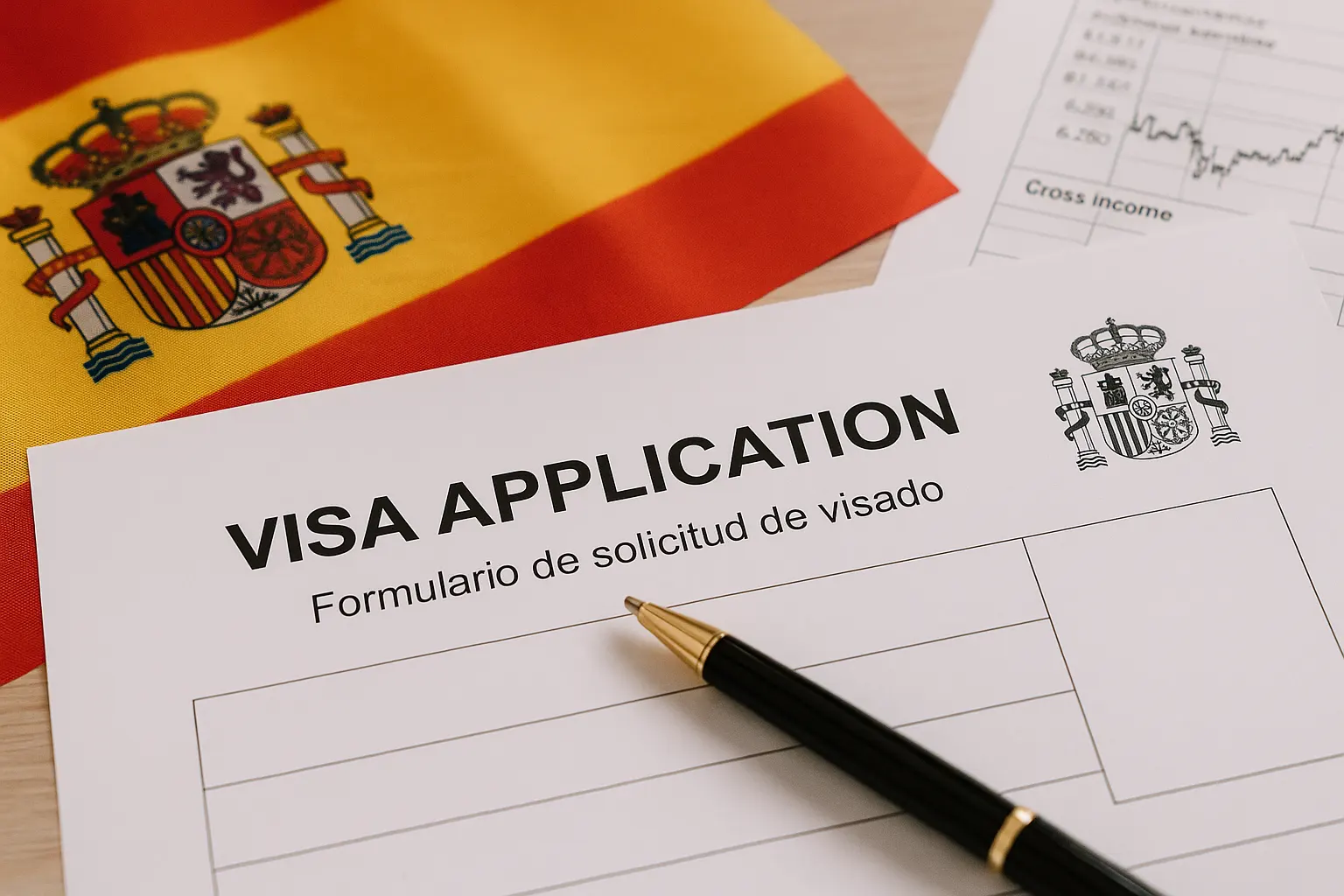
- Spanish bureaucracy: Dealing with visa applications, residency permits, and official paperwork can be time-consuming and may require professional help.
- Language barriers: While many foreigners love Spain, a large number of locals don’t speak English; learning Spanish is essential.
- Housing market realities: Rental prices and property conditions can vary significantly; doing thorough research will help you avoid surprises.
- Cultural adjustments: Spain has different meal times and social customs that may take some getting used to for smoother interactions.
This article shares 10 things I wish I knew before moving to Spain as an expat, including important tips that current residents wish they had known earlier. Whether you’re coming from the US or another country, this information will help you make better decisions during your relocation process.
Check out our practical advice on moving to Spain to avoid the 7 biggest mistakes expats make. If you’ve ever thought, “I regret moving to Spain,” or if you’re looking for trustworthy advice on relocating there, this guide will help set realistic expectations and support your transition.
Executive Summary / TL;DR
Moving to Spain as an expat involves navigating several important factors that impact daily life and long-term satisfaction. Key points for anyone considering this transition include:
- Understand regional climate differences before choosing your city. Spain’s diverse geography creates distinct weather patterns—from the sunny Mediterranean coasts to cooler northern regions—shaping lifestyle options and personal comfort.
- Prepare for Spanish bureaucracy and consider professional visa help. Administrative processes related to visas, residency, and permits can be complex and time-consuming. Engaging expert legal services, such as those offered by specialized immigration lawyers, streamlines these procedures. For instance, U.S. citizens don’t need a visa for short stays in Spain, but must meet specific entry requirements.
- Learn Spanish to ease daily life and deepen social connections. While major cities may have pockets of English speakers, a significant portion of the population communicates predominantly in Spanish or regional languages. Language skills improve access to services, friendships, and integration.
- Research housing carefully; avoid renting sight-unseen and use reputable agencies. The rental market varies widely in quality and price. Due diligence reduces risks of unsuitable locations or inflated costs.
- Adapt to Spain’s late daily schedules and cultural lifestyle for smoother integration. Typical Spaniards follow later meal times—lunch around 2 pm, dinner after 9 pm—and value relaxed social interactions over rushed routines.
These practical insights form the foundation for a successful relocation experience, addressing common challenges faced by expats in Spain.
Introduction
Moving to a new country is exciting but it also comes with its own set of challenges. While moving to Spain often sounds appealing with its rich culture and lifestyle, many expats face unexpected difficulties once they arrive. Adjusting to everyday life in Spain means getting used to different social customs and bureaucratic systems that are unfamiliar to newcomers.
Some common challenges that expats face in Spain include:
- Dealing with complex legal paperwork like visas or residency permits
- Overcoming language barriers that make it hard to navigate official processes and socialize
- Understanding cultural differences such as lifestyle patterns, dining habits, and local etiquette
This article aims to provide practical knowledge for future residents by sharing insights from immigration experts and personal experiences of expatriates living in Spain. By being well-prepared before the move, you can create a solid foundation for adapting smoothly. Knowing about regional differences, administrative procedures, and social expectations will greatly support your settlement in Spain’s diverse environment.
1. Understanding Spain’s Diverse Climate and Regional Differences
Spain’s climate regions present significant contrasts that affect expat life. The Mediterranean south, including areas like Costa del Sol, offers warm, dry summers and mild winters—ideal for those seeking sun and outdoor activities year-round. In contrast, the northern regions such as the Basque Country experience cooler temperatures, higher rainfall, and a greener landscape.
Consider these regional differences Spain offers:
- Costa del Sol: Mediterranean warmth, popular for beaches and vibrant expat communities.
- Basque Country: Cooler weather, rich cultural traditions, and lush scenery.
- Central Spain (Madrid region): Hot summers, cold winters, continental climate.
- Canary Islands: Subtropical climate with mild temperatures year-round.
These islands also offer stunning landscapes and unique cultural experiences that are often considered hidden gems. For more insights on these beautiful destinations, check out this guide on Spain’s stunning islands.
Choosing your location based on preferred weather impacts daily comfort and lifestyle integration. Understanding these factors proves essential alongside knowing the documents needed to move to Spain, which vary depending on residency region and visa type.
In addition to climate, it’s important to consider the economic aspects of living in Spain. For instance, the average salary in Spain varies significantly by region and industry, affecting your overall cost of living.
Lastly, if you identify as part of the LGBT community, you’ll be pleased to know that Spain is known for being LGBT-friendly, offering a welcoming environment with rich cultural experiences.
2. Embracing the Spanish Lifestyle and Cultural Norms
Spain’s lifestyle emphasizes a slow living culture where quality of life takes precedence over speed or convenience. The work-life balance in Spain encourages taking time to enjoy daily moments rather than rushing through tasks.
Common customs include:
- Long lunches, often lasting 1.5 to 2 hours, typically between 2 pm and 4 pm.
- Siesta tradition, still practiced partially in smaller towns and during hot summer months, involving a midday rest or break.
- Late dinners, usually around 9 pm or later, which is part of the country’s late-night culture and contrasts with earlier meal times common in many other countries.
Understanding these cultural rhythms is essential for expats adapting to the lifestyle in Spain and integrating smoothly into local social environments.
3. Navigating the Cost of Living in Spain as an Expat
Understanding the cost of living Spain expats face is crucial for effective budgeting. Utilities, especially electricity, can be unexpectedly high due to substantial energy taxes and recent market fluctuations. Plan monthly expenses with these factors in mind to avoid surprises.
Healthcare in Spain stands out as both affordable and high quality compared to US or UK standards. Public healthcare offers extensive coverage, while private options remain accessible at reasonable prices. This combination provides peace of mind for expats prioritizing health without excessive costs.
For those considering a long-term move or retirement, it’s worth exploring the best places to retire in Spain. These locations not only offer affordable living and quality healthcare but also feature stunning coastal towns that enhance the overall living experience.
4. The Importance of Learning Spanish (and Regional Languages)
Language proficiency directly impacts daily life and integration as an expat in Spain. Approximately 60% of Spaniards do not speak English, making learning Spanish more than a convenience—it is essential.
Key considerations include:
- Basic Spanish skills enable handling everyday tasks like shopping, banking, and healthcare.
- Regional languages such as Catalan, which is prevalent in Barcelona and significantly shapes its culture, history, and identity, along with Basque and Galician, are prominent in their respective areas. Awareness or familiarity with these can enhance social connections and show respect for local culture.
- Language barriers may limit access to services or social opportunities without adequate preparation.
Addressing the language barrier Spain presents significantly improves quality of life and eases adaptation challenges highlighted in many lists of 10 things I wish I knew before moving to Spain as an expat.
5. Preparing for Spanish Bureaucracy: Visas, Residency & Documents
Navigating Spanish bureaucracy as an expat requires patience and thorough preparation. Visa applications in Spain can involve multiple steps, including securing the correct visa type—such as work, student, or the increasingly popular digital nomad visa. Obtaining essential identification documents like the NIE (Número de Identificación de Extranjero) and TIE (Tarjeta de Identidad de Extranjero) cards is mandatory for legal residence and work.
Key points to consider:
- Bureaucratic procedures are often slow and require precise documentation.
- Many processes now offer digital submission options, simplifying interactions.
- Consulting with specialized immigration lawyers or services improves success rates.
- Understanding deadlines and appointment systems prevents unnecessary delays.
Awareness of these factors equips expats to handle Spain’s administrative requirements efficiently.
6. Finding Suitable Housing Without Pitfalls
Securing housing in Spain requires careful research to avoid common pitfalls, especially when renting in Spain as an expat. Affordable rentals often appear farther from city centers or in neighborhoods with lower-quality infrastructure and fewer amenities. Investigate the area’s safety, access to public transport, and local services before committing.
To help you navigate this, consider exploring some of the best neighborhoods to live in Barcelona which blend lifestyle, safety, and vibrant city vibes.
Beware of Spain rental scams, which can include fake listings or requests for deposits before viewing. Use reputable agencies and never rent sight-unseen without verified references. Visiting properties personally or through trusted contacts helps ensure transparency and protects against fraud.
Key tips for expat housing:
- Prioritize proximity to work, schools, or transport.
- Confirm the legitimacy of landlords and contracts.
- Budget for additional costs such as community fees and utilities.
These measures contribute to a secure and satisfactory rental experience in Spain’s diverse housing market.
7. Making the Most of Public Transportation Systems
Spain has efficient public transport networks that make it easier for expats to commute daily. Major cities like Madrid, Barcelona, and Valencia have extensive metro systems with frequent services covering large urban areas. In cities such as Alicante and Zaragoza, trams complement metro lines, providing convenient options for shorter trips or access to suburban areas.
Regional and national train networks connect cities and towns across Spain, enabling affordable travel beyond metropolitan areas. The combination of metros, trams, and trains often surpasses the convenience found in many US cities, reducing reliance on private vehicles.
Key points for expats to consider:
- Purchase transport cards or passes to save on fares
- Check schedules as service frequencies vary by time and location
- Use official apps or websites for real-time updates and route planning
Mastery of Spain’s public transport systems can transform daily mobility into a straightforward experience, crucial for integrating smoothly into Spanish urban life.
8. Building a Social Life as an Expat in Spain
Establishing a social network is crucial when relocating abroad. Many expats find that joining social media groups on platforms like Facebook or Meetup provides immediate access to communities of fellow newcomers and locals interested in intercultural exchange. These groups often organize events, language exchanges, and casual meetups designed specifically for expats seeking to make friends and integrate socially.
Key strategies for socializing in Spain include:
- Participating regularly in Meetup groups focused on hobbies, sports, or cultural activities.
- Attending events advertised on expat-focused Facebook pages.
- Engaging with local community centers or international clubs offering social activities.
Active involvement in such networks accelerates social integration and creates opportunities to build meaningful friendships abroad.
9. Adjusting to Timezone Differences and Daily Schedules
Spain operates on GMT+1, despite its geographic location being closer to the GMT+0 zone. This results in a distinct daily routine compared to other European countries.
Key aspects include:
- Later meal times: Lunch typically starts around 2 pm, while dinner often begins as late as 9 pm or later.
- Extended evenings: Businesses and social activities usually extend well into the evening, reflecting local customs.
- Work hours: The working day often includes a break in the afternoon, known as the siesta, though this is less common in larger cities.
Understanding Spain’s timezone difference and daily schedule is essential for syncing personal routines with local life and avoiding social or professional inconveniences.
10. Leveraging Professional Support for a Smooth Transition
Navigating Spain’s immigration system can be complex and time-consuming. Engaging with immigration lawyers offering online advice streamlines this process, especially for newcomers unfamiliar with local legal requirements. Firms like NIM Immigration Lawyers in Barcelona provide fully digital consultations, enabling clients to manage visa applications, including the digital nomad visa, remotely and efficiently.
Key benefits include:
- Personalized guidance tailored to individual circumstances
- Electronic file management eliminating the need for physical paperwork
- Access to specialists experienced in Spanish immigration law and visa procedures
This approach reduces stress and uncertainty, making the transition smoother for expats settling in Spain.
Conclusion
Moving to Spain as an expat involves a mix of excitement and practical challenges. The 10 things I wish I knew before moving to Spain as an expat highlight essential aspects that can significantly ease this transition. Awareness of Spain’s regional climate differences helps in selecting the ideal city that fits your lifestyle preferences. Mastery of the language, even at a basic level, accelerates integration and daily interactions.
Understanding and preparing for the intricacies of Spanish bureaucracy prevents unnecessary delays, while researching housing options diligently avoids common pitfalls with rentals. Embracing Spain’s cultural rhythms—late meals, relaxed pace, and social customs—enhances both personal satisfaction and social acceptance.
Access to efficient public transportation networks simplifies commuting, making urban life more manageable. Building a supportive social network through expat communities fosters connection and belonging. Adjusting to timezone nuances ensures better alignment with local schedules.
Professional assistance from specialized legal services like NIM Immigration Lawyers offers tailored guidance, especially for visa and residency matters, streamlining what can otherwise be a daunting process.
Key takeaways for those considering this move include:
- Research thoroughly before choosing location and housing
- Invest time in language learning
- Prepare for bureaucratic processes with expert support
- Adapt culturally to local customs and daily rhythms
This moving advice summary conclusion serves as a practical roadmap. Applying these insights will help transform potential obstacles into manageable steps toward a successful and fulfilling life in Spain.
FAQs (Frequently Asked Questions)
What are the key regional climate differences I should consider before moving to Spain as an expat?
Spain has diverse climates ranging from the warm Mediterranean south, like Costa del Sol, to cooler northern regions such as the Basque Country. Understanding these differences helps you choose a city that matches your preferred weather and lifestyle.
How can I adapt to the Spanish lifestyle and cultural norms as a new expat?
Embrace Spain’s slow living culture which prioritizes quality of life over speed. Typical customs include long lunches, partial siesta adoption, and late dinners around 9 pm. Adjusting to these daily schedules facilitates smoother integration.
Why is learning Spanish important for expats living in Spain?
Around 60% of Spaniards do not speak English, so having basic Spanish skills is essential for daily tasks and deepening social connections. Additionally, being aware of regional languages like Catalan, Basque, or Galician can enhance your experience.
What challenges should I expect with Spanish bureaucracy when relocating?
Spanish bureaucratic processes involving visas, residency permits (NIE/TIE cards), and other documents can be slow and complex. Preparing in advance and considering professional visa help can make these procedures more manageable.
How can I find suitable housing in Spain without falling into common pitfalls?
Research extensively before renting; avoid renting properties sight-unseen and use reputable agencies to prevent scams. Affordable rentals may be located far from city centers or in lower-quality neighborhoods, so choose carefully based on your needs.
What should I know about the cost of living in Spain as an expat?
While healthcare in Spain is affordable and high quality compared to countries like the US or UK, utilities can be unexpectedly high due to energy taxes. Budget accordingly to manage your expenses effectively.