Unmarried Partner Visa Spain: The Ultimate Guide for 2026
Spain does not provide a specific visa category officially named unmarried partner visa. Instead, partners in stable and long-term relationships can seek residence permits through alternative legal pathways:
- Family Reunification: For non-EU partners of Spanish citizens or residents.
- Pareja de Hecho: A registered domestic partnership resembling a civil union, recognized in many regions of Spain.
These routes enable unmarried couples to live together legally in Spain, offering rights similar to those conferred by marriage-based visas. Understanding these options is essential for anyone exploring the partner visa Spain process, especially when navigating complex residency requirements and regional differences.
This guide equips you with comprehensive knowledge and expert insights for your application journey. It covers:
- Eligibility criteria for unmarried partner residence permits.
- Required documentation to prove your relationship’s stability.
- Application procedures including where and how to apply.
- Associated fees and typical processing timelines.
Whether you are looking for an unmarried partner visa Spain summary, information on the Spain residence permit unmarried partner, or curious about related topics like the Spain digital nomad visa unmarried partner, this resource clarifies everything.
Questions from forums such as unmarried partner visa Spain reddit emphasize the need for clear, reliable guidance. This article responds to that need with practical advice tailored to 2026 immigration policies.
Explore how to secure your future together in Spain confidently and efficiently.
Understanding the Unmarried Partner Visa Concept in Spain
Spain does not offer a visa explicitly titled unmarried partner visa Spain definition. Instead, stable partners seeking residence must rely on alternative legal avenues such as family reunification or the pareja de hecho Spain visa scheme.
What is Pareja de Hecho?
The term pareja de hecho refers to a legally recognized stable partnership that closely resembles a civil union. It grants unmarried couples, whether same-sex or opposite-sex, certain rights similar to those of married couples. Registering as pareja de hecho involves formalizing the relationship before local authorities or regional registries, depending on the autonomous community.
Key characteristics include:
- Recognition as a long-term committed relationship
- Eligibility for residency permits under family reunification rules
- Access to social benefits and certain legal protections
Legal Recognition for Non-EU Partners
Non-EU nationals in a stable partnership with Spanish citizens or legal residents can apply for residence permits under family reunification. The process requires demonstrating the genuine nature of the relationship through documentation and proof of cohabitation or financial interdependence.
These permits allow partners to live and work in Spain, facilitating integration without requiring marriage. The absence of an official unmarried partner visa means applicants navigate these frameworks to secure residency rights.
Understanding these options sets the foundation for successfully applying as an unmarried partner in Spain.
Eligibility Criteria for Unmarried Partner Residence Permits
When applying for an unmarried partner residence permit in Spain, demonstrating a genuine and stable relationship is crucial. Spanish authorities require applicants to provide clear evidence that the partnership is long-term and committed, typically defined as at least one year of cohabitation. This period helps establish the relationship’s stability and seriousness, aligning with the standards set for family reunification or pareja de hecho arrangements.
Proof of Relationship Spain Visa: What Documents Are Accepted?
Applicants must submit a variety of documents to prove their relationship status. Commonly accepted evidence includes:
- Cohabitation certificates issued by local town halls, confirming shared residence.
- Joint financial documents, such as bank accounts or utility bills in both partners’ names.
- Shared insurance policies, including health or life insurance listing each other as beneficiaries.
- Legal instruments like wills or powers of attorney naming the partner.
- Birth certificates of any children born to the couple, which strongly support the claim of a committed union.
Supplementary proofs can reinforce your application. These may involve:
- Witness statements from friends, family members, or colleagues familiar with your relationship.
- Records of your social media activity illustrating interaction and commitment over time.
- Documentation of joint travel, such as flight tickets or hotel bookings, showing you have spent time together outside Spain.
Providing a comprehensive portfolio demonstrating both emotional and financial interdependence increases the likelihood of approval. Immigration offices scrutinize these materials carefully to ensure that applications reflect authentic partnerships rather than convenience-based arrangements.
Clear understanding and preparation regarding eligibility unmarried partner visa Spain requirements greatly enhance confidence during this important step in your immigration journey.
Step-by-Step Application Process for Unmarried Partner Visa in Spain
Navigating the application process for an unmarried partner visa in Spain requires careful preparation and an understanding of each stage to ensure success. The path typically follows the family reunification visa steps, tailored to reflect the status of an unmarried partner under Spanish immigration law.
1. Initial Consultation and Case Analysis
Engaging with immigration experts is a critical first step. Specialists such as those at NIM Immigration Lawyers provide personalized evaluations based on your unique situation. This initial consultation helps identify the best legal route, whether through family reunification or registration as pareja de hecho. Expert guidance also ensures you meet all eligibility criteria and avoid common pitfalls.
2. Collecting Required Documents
Document collection forms the backbone of your application. Accuracy and completeness here accelerate processing times and reduce the risk of rejection. Essential documents include:
- Valid passports for both partners
- Birth certificates, officially translated and apostilled if issued outside Spain
- Criminal record certificates from your home country, and from Spain if you have resided there previously
- Proof of stable partnership (covered in earlier sections)
Additional paperwork may be requested depending on circumstances, such as proof of financial means or health insurance coverage.
3. Submission Venues
Applications can be submitted at designated offices depending on where you are applying from:
- Local Foreigners’ Offices (Oficina de Extranjeros): If you are already residing legally in Spain, this is often the primary place to submit your application.
- Spanish Consulates Abroad: For applicants outside Spain, consulates handle visa applications before entry.
Electronic submission options are increasingly available through legal firms specializing in immigration, offering convenience by eliminating the need for in-person visits.
Expert advice ensures every document meets official standards
Following these steps carefully increases confidence in navigating the unmarried partner visa Spain application successfully. Understanding each phase fosters a smoother process tailored to your circumstances.
Renewal and Long-Term Residency Options for Unmarried Partners
When applying for the renewal unmarried partner residence permit Spain, understanding the validity and renewal process is crucial to maintaining legal status without interruption. Typically, the initial residence permit granted to unmarried partners under family reunification or pareja de hecho schemes is valid for one year. Renewal applications must be submitted before the current permit expires to avoid gaps in residency rights.
Renewal Process
Renewals can be issued either annually or biannually, depending on the regional office handling the case and the applicant’s specific circumstances. Each renewal requires updated evidence proving that the relationship remains stable and ongoing. Such proof might include:
- Joint rental agreements or property ownership documents
- Recent utility bills showing shared address
- Updated cohabitation certificates from local authorities (empadronamiento)
- Continued joint financial commitments such as bank accounts or insurance policies
Maintaining meticulous documentation throughout your stay helps demonstrate relationship stability, which immigration authorities scrutinize closely during renewal procedures.
Long-Term Residency Options
After five years of continuous residence with valid permits under this category, unmarried partners become eligible to apply for permanent residency unmarried partner Spain. This status grants enhanced rights including:
- Indefinite stay without the need for further renewals
- Easier access to employment opportunities
- Greater social benefits equivalent to those of Spanish nationals
Applicants must show uninterrupted residence and compliance with Spanish immigration laws during this period. Absences from Spain should generally not exceed six months per year, with some exceptions allowing up to ten months over five years.
For EU citizens, understanding these timelines and requirements allows unmarried partners to plan their long-term stay in Spain confidently, ensuring smooth transitions from initial permits to permanent residency. The process can be slightly different due to Spain’s residency regulations for EU citizens, which typically involve fewer bureaucratic hurdles compared to non-EU citizens.
Common Challenges & How to Overcome Them
Applying for an unmarried partner visa in Spain presents unique hurdles. The key challenges unmarried partner visa Spain applicants often face include:
1. Regional Variability
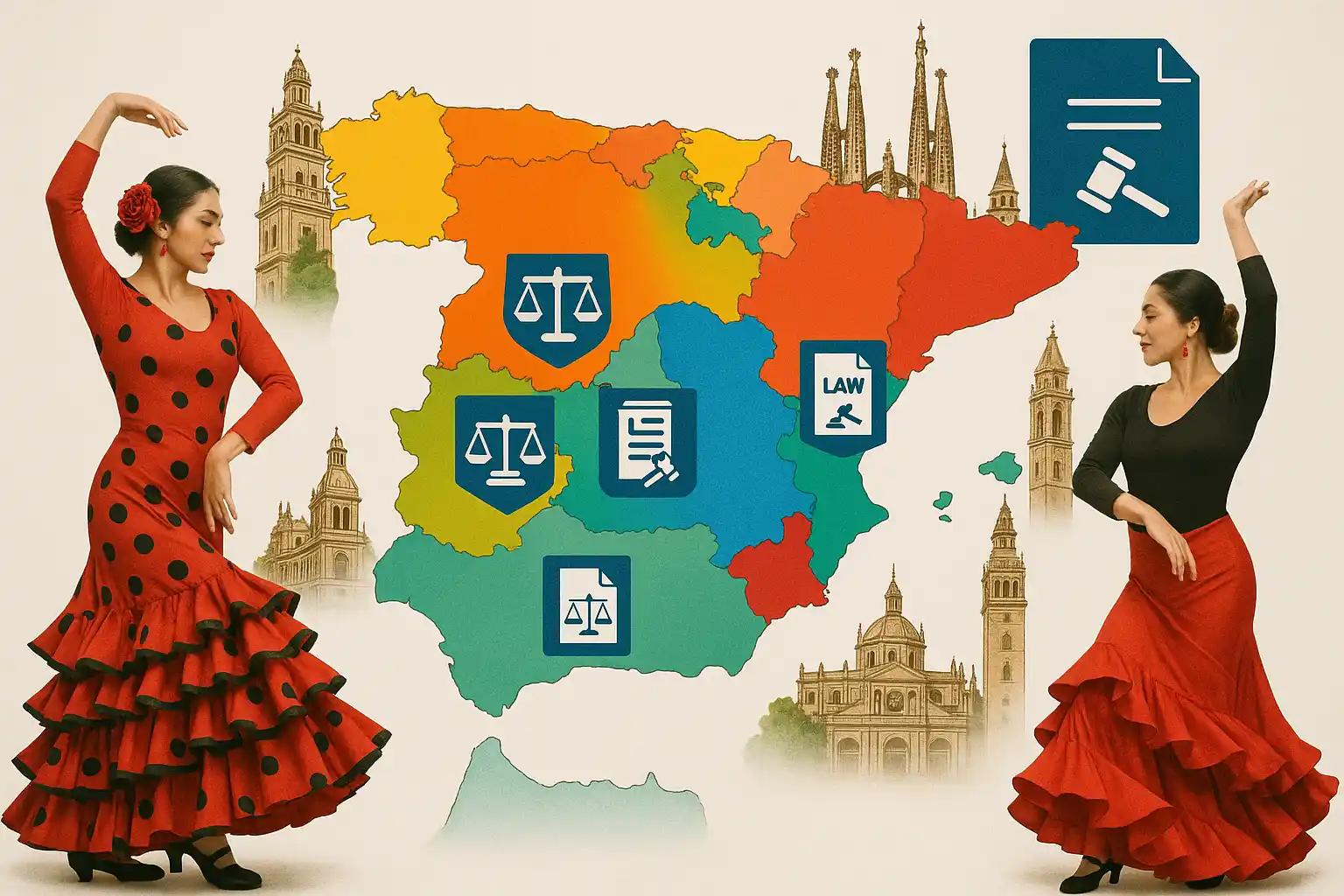
Procedures and requirements differ significantly across Spain’s autonomous communities. What is accepted in Madrid may not suffice in Catalonia or Andalusia. This fragmentation complicates the application process and can lead to inconsistent outcomes.
2. Proving Genuine Long-Term Relationships
Authorities demand strong evidence of a stable, lasting partnership, which can be difficult to demonstrate without thorough documentation. Casual or insufficient proof risks rejection. It’s crucial to gather substantial evidence that proves you live together as part of your application.
3. Documentation Complexity
Gathering comprehensive paperwork—like joint financial accounts, cohabitation certificates, shared utilities bills, and social media proof—is essential but time-consuming and prone to errors.
Tips for a Successful Application Pareja de Hecho focus on meticulous preparation:
- Assemble diverse evidence types that collectively paint a clear picture of your relationship.
- Keep records updated and verifiable, including official registrations if available.
- Prepare witness statements or affidavits from friends and family confirming your partnership.
- Track travel history or shared experiences that highlight continuous commitment.
Leveraging professional assistance minimizes pitfalls. Platforms such as NIM Immigration Lawyers provide expert online legal advice tailored to individual cases. Their digital approach streamlines communication, reduces paperwork errors, and navigates regional differences effectively.
Clients benefit from:
- Personalized case analysis adjusting strategies per locality.
- Electronic file management avoiding lost documents.
- Prompt responses clarifying complex legal nuances.
Addressing these common challenges head-on increases the likelihood of approval and smoother processing times for unmarried partner visa applications in Spain.
Why Choose Expert Legal Assistance for Your Unmarried Partner Visa Application?
Applying for an unmarried partner visa in Spain can be complicated, with many rules and requirements to understand. That’s why it’s important to have someone who knows the ins and outs of the process on your side. An immigration lawyer specializing in unmarried partner visas in Spain can help you navigate through the complexities and make sure you meet all the necessary criteria.
Benefits of Working with NIM Immigration Lawyers:
- Expertise in Spanish Visas: We are a trusted law firm based in Barcelona with extensive knowledge of all types of Spanish visas, including family reunification and pareja de hecho arrangements.
- Convenient Online Processes: Our procedures are fully online, making it easier for clients to access personalized case assessments without having to visit our office in person.
- Multilingual Legal Team: Our legal team consists of specialists who speak multiple languages and are dedicated to understanding each client’s unique situation. This allows us to create tailored strategies that increase the chances of success.
- Clear Communication: We believe in transparent communication, which is why we have channels in place to ensure prompt responses and continuous updates throughout the application process.
“NIM Immigration Lawyers review consistently highlights their professionalism, responsiveness, and deep understanding of immigration law. Clients appreciate how they demystify complex requirements and streamline applications.”
Choosing expert legal support can help you avoid costly mistakes or delays. With our precise document preparation and strategic advice, we can increase your chances of getting approved for the unmarried partner visa in Spain. Our digital-first approach also aligns well with modern applicants who prefer efficient and reliable guidance throughout their application journey.
Conclusion
Preparing for applying unmarried partner visa Spain next steps requires careful attention to detail and early action. Gathering comprehensive evidence of your relationship—including cohabitation proofs, joint financial documents, and official registrations like the empadronamiento—lays a strong foundation. This documentation is essential to demonstrate the genuine and stable nature of your partnership.
Seeking advice from specialized immigration lawyers at the earliest stage can make a significant difference. Experts familiar with the nuances of the unmarried partner visa Spain process help avoid common pitfalls and streamline application procedures. Their guidance ensures all paperwork complies with current legal standards, reducing delays and increasing chances of success.
Consider these key actions to move forward confidently:
- Start collecting relationship evidence well before submitting your application.
- Register your residence (empadronamiento) promptly to meet formal requirements.
- Engage with trusted immigration professionals who provide personalized support and digital convenience.
- Stay informed about regional differences and procedural updates that may affect your case.
Taking these steps builds a secure path toward obtaining residence in Spain as an unmarried partner, transforming complex requirements into achievable milestones. Secure your future together by preparing carefully and choosing expert assistance tailored to your unique situation.