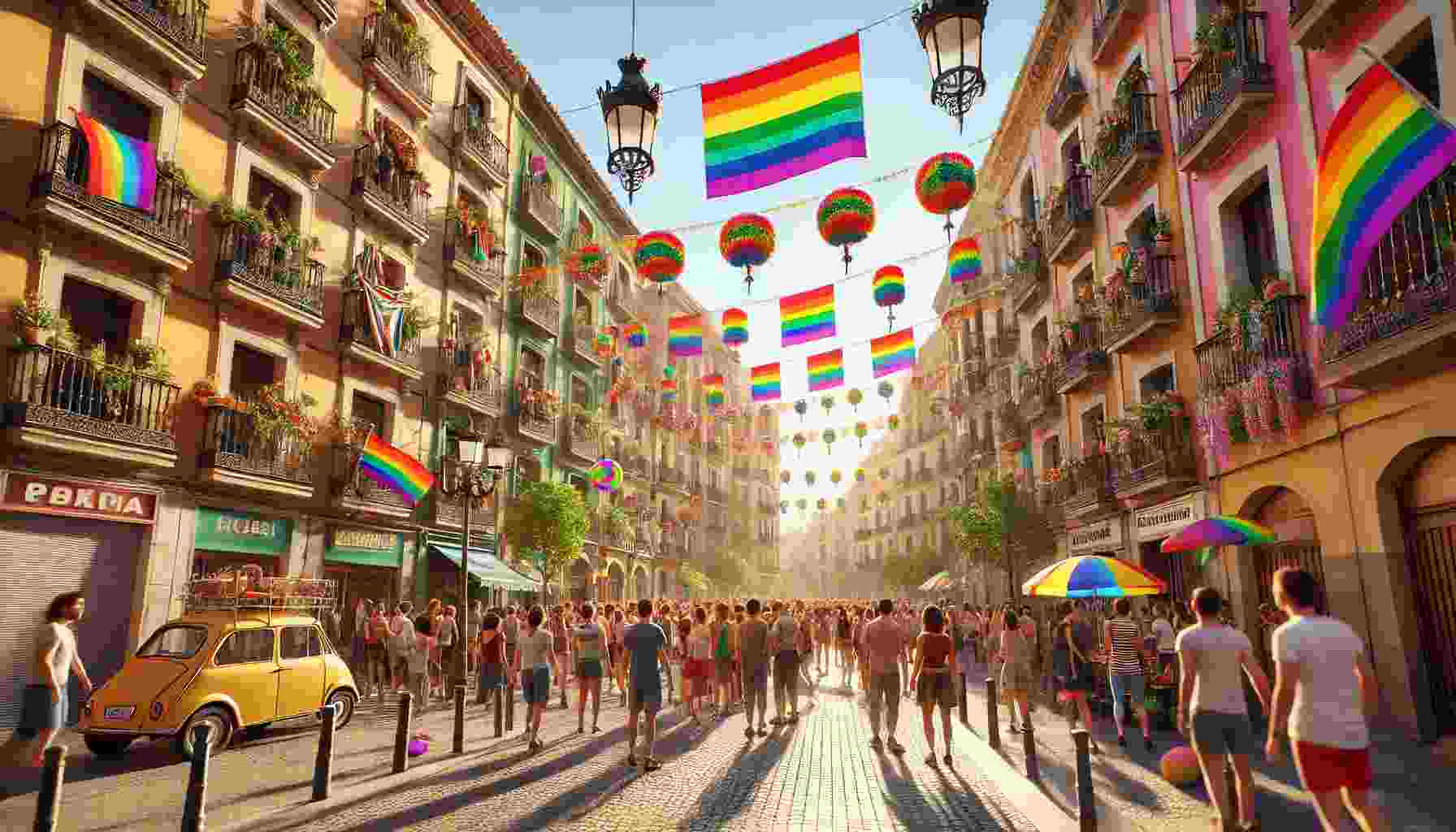


Spain has become a shining example of progress when it comes to LGBTQ+ rights, making significant strides over the past few decades. The legalization of homosexuality in 1979 was a major turning point in the recognition of LGBTQ rights. This was followed by the introduction of same-sex marriage in 2005, which solidified Spain’s position as one of the most LGBT-friendly countries in Europe. These advancements have been supported by comprehensive anti-discrimination laws LGBTQ that protect individuals regardless of their sexual orientation or gender identity.
Furthermore, Spain has made significant investments in gender-affirming healthcare, ensuring that transgender individuals have access to necessary medical services. This commitment to social acceptance of LGBTQ people is evident in the vibrant pride celebrations held across the country every year.
A Welcoming Destination for LGBT Travelers
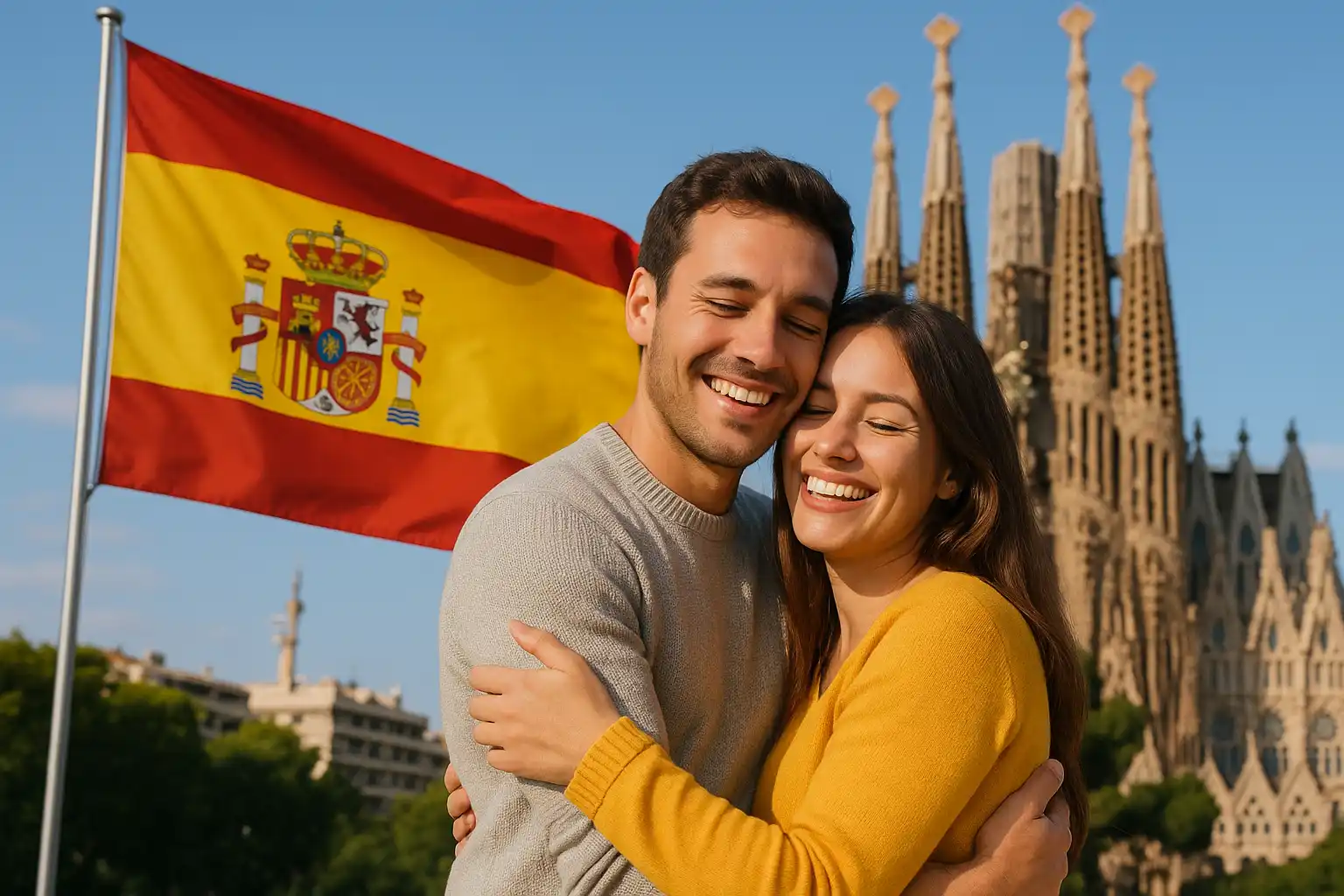
Spain’s reputation as a go-to destination for LGBT travelers is well-deserved. Lively cities like Madrid and Barcelona boast vibrant neighborhoods such as Chueca and Gaixample, which embrace diversity with bustling nightlife and cultural events.
Spain’s commitment to equality allows visitors to explore freely, making it an open space for the LGBT community in Spain to flourish.
Spain’s Appeal Beyond Tourism
But Spain’s allure goes beyond just being a tourist hotspot. With the introduction of initiatives like the Spain Digital Nomad Visa, it has become an enticing destination for remote workers and digital nomads seeking a new way of life. This visa not only permits individuals to work remotely from Spain but also provides a unique opportunity for their family members to accompany them. Additionally, those looking for longer stays might consider the Non-Lucrative Visa Spain, which offers residency options for individuals who can support themselves financially without working locally.
Spain is also becoming increasingly popular among LGBTQ expats, thanks to its progressive laws and vibrant communities that welcome diversity. Whether you’re moving for work or simply to experience the rich culture, Spain offers various residency options tailored to different lifestyles and needs.
Understanding the Challenges of Relocation
However, moving to a different country comes with its own set of challenges. Many UK citizens planning to relocate or stay longer than the typical tourist period must navigate the complexities of the 90-day rule. Familiarizing oneself with this rule is crucial for ensuring a smooth transition into life in Spain.
For those contemplating an extended stay or permanent move, there are several compelling reasons why Spain should be your chosen home. The 6 main reasons for living in Spain if you are a digital nomad outline the benefits of embracing this lifestyle in such a vibrant country.
It’s also important to be aware of potential pitfalls when applying for the Spain Digital Nomad Visa online. By staying informed and prepared, applicants can steer clear of common mistakes that could impede their application process.
History of LGBT Rights in Spain
Spain’s journey towards LGBT rights has witnessed significant milestones, reflecting a broader societal transformation.
1979: Legalization of Homosexuality
The legalization of homosexuality marked a pivotal moment in Spain’s history. This shift came after the end of Franco’s dictatorship, during which same-sex relationships were criminalized. The repeal of these laws signified not just a legal change but also an essential societal acknowledgment of LGBT individuals’ rights.
2005: Introduction of Same-Sex Marriage
In a groundbreaking move, Spain became one of the first countries worldwide to legalize same-sex marriage in 2005. This legislation allowed same-sex couples to marry and adopt children, solidifying Spain’s reputation as a leader in LGBT rights. The phrase “¿Es legal el matrimonio gay en España?” (Is gay marriage legal in Spain?) became synonymous with progressive change.
Impact on Society and Culture
The legalization of homosexuality and subsequent introduction of gay marriage have profoundly impacted Spanish society. Increased visibility and acceptance of the LGBT community fostered greater cultural representation in media, arts, and public life. Celebrations such as Madrid Pride have grown into some of the largest in the world, drawing millions each year. These events foster a sense of belonging and community among LGBT individuals while promoting inclusivity across broader society.
The evolution of LGBT rights in Spain demonstrates a commitment to equality and social justice, paving the way for ongoing advocacy and support for diverse sexual orientations and gender identities.
In recent years, Spain’s digital nomad visa has become increasingly popular among members of the LGBT community seeking to relocate or work remotely from this progressive country. This visa offers an opportunity for digital nomads to experience the inclusive environment that Spain has cultivated over the years.
As we explore the current state of LGBT rights in Spain, it is essential to recognize this historical context that shaped today’s inclusive environment. Furthermore, understanding the reform of immigration regulations can provide valuable insights for those considering moving to Spain.
the income requirements for obtaining a digital nomad visa, as well as how digital nomads manage their tax obligations while living in Spain. Understanding Spain’s tax system for expats can greatly aid in navigating these complexities.
If you’re interested in exploring these opportunities further, consider taking advantage of our free consultation service. Our team is here to provide you with all the information you need to make your transition as smooth as possible.
Current State of LGBT Rights in Spain
Spain is known for its inclusivity and has strong laws in place to protect LGBTQ rights today. The country’s commitment to preventing discrimination is evident through several important laws and regulations:
Compared to other top LGBTQ friendly countries in Europe like Malta, Portugal, and Finland, Spain stands out for its comprehensive legal protections and social acceptance. In the ILGA-Europe Rainbow Index, Spain ranks highly, reflecting its progressive stance on LGBTQ rights relative to these nations. While Malta is recognized for its robust anti-discrimination laws and Portugal boasts marriage equality since 2010, Finland also offers extensive protections through its equality legislation. However, Spain’s rich history of activism and cultural acceptance often places it at the forefront of LGBTQ rights in the region.
1. Comprehensive Anti-Discrimination Laws
Spain has laws that make it illegal to discriminate based on sexual orientation and gender identity. These anti-discrimination laws apply to various areas such as:
-
Employment
-
Housing
-
Public services
The General Law on the Equality of Treatment and Non-Discrimination (2019) further strengthens protections for individuals facing discrimination, ensuring robust LGBTQ legal protections in Europe.
2. Same-Sex Couples and Family Protections
Under Spanish law, same-sex couples have the same rights as heterosexual couples, including equal adoption rights. Since 2005, same-sex marriage has been legally recognized, allowing couples to enjoy benefits such as:
-
Tax advantages
-
Inheritance rights
-
Social security benefits
This legal recognition promotes acceptance and support for families formed through diverse relationships. If you’re planning to move to Spain, it’s helpful to know how to include your partner in your digital nomad visa application.
3. Transgender Rights and Recent Legislation
In 2021, Spain made significant progress in transgender rights with the introduction of the Gender Identity Law. This law allows individuals to change their registered gender without needing surgery or medical intervention, emphasizing personal control over one’s identity. It also includes provisions for minors seeking to transition with parental consent. These developments show a growing understanding of gender diversity in society.
Importantly, the law also highlights access to gender-affirming healthcare services, ensuring that transgender individuals can receive necessary medical support as part of their transition process. Additionally, Spain is committed to providing comprehensive HIV prevention and treatment services tailored specifically for transgender individuals, recognizing the unique health disparities they may face.
The ongoing discussions about discrimination protections in Spain demonstrate the country’s proactive approach to creating an inclusive society. Advocacy efforts continue to address remaining challenges faced by the LGBTQ community, ensuring that everyone can thrive without fear of bias or discrimination.
As Spain moves forward, its commitment to improving LGBTQ rights remains strong. This dedication contributes to its reputation as an ultimate destination for inclusivity and acceptance in 2026.
For expatriates or digital nomads navigating this environment, it’s important to understand how to navigate the healthcare system in Spain. Additionally, those interested in embracing a location-independent lifestyle may find valuable insights in how to become a digital nomad, a trend that is increasingly popular among LGBTQ individuals seeking a more inclusive environment.
Major LGBT-Friendly Cities and Destinations in Spain
Spain is known for its lively LGBTQ culture, with many cities welcoming diversity and inclusivity. One of the best examples of a gay-friendly neighborhood is Chueca in Madrid. Other notable LGBT-friendly destinations include Benidorm, Torremolinos, San Sebastian, and Ibiza, alongside Madrid and Barcelona.
Chueca: The Heart of Madrid’s Gay Scene
Chueca isn’t just any neighborhood; it’s the heart of Madrid’s LGBTQ community. It has become a symbol of freedom and self-expression, attracting both locals and tourists who want to experience its vibrant atmosphere.
1. Energetic Nightlife
Chueca is famous for its lively nightlife scene. The streets are filled with bars, clubs, and cafes that come alive after dark. Popular spots like Bar Tomate and Black & White attract diverse crowds with their drag shows and themed parties.
2. Exciting Cultural Events
Throughout the year, Chueca hosts various cultural events such as film screenings, art exhibitions, and community gatherings. The annual Madrid Pride, one of the largest pride celebrations worldwide, takes place here. The streets are filled with colorful parades that promote acceptance and unity.
3. Delicious Dining Options
In addition to its nightlife offerings, Chueca has a wide range of restaurants serving international cuisine to satisfy every palate. From traditional tapas bars to upscale dining establishments, there are plenty of culinary experiences to enjoy.
4. Unique Shopping Experience
Chueca is also home to boutique shops where visitors can find one-of-a-kind fashion pieces and locally made artisan goods. This makes it not only a cultural hotspot but also a great destination for shopping enthusiasts.
5. Historical Significance
The transformation of Chueca reflects broader societal changes in Spain regarding LGBTQ rights. Once considered an overlooked area, it now represents pride and acceptance. The evolution of this neighborhood mirrors Spain’s journey towards inclusivity.
So, is Spain LGBT friendly? Absolutely! Chueca stands as proof of this commitment. With friendly locals and an open environment, visitors can feel comfortable expressing themselves freely.
This vibrant destination showcases why many people consider Spain one of the top gay-friendly countries in the world. Whether it’s the lively atmosphere or the rich cultural offerings, Chueca welcomes everyone to experience its warmth.
As travelers explore other cities like Barcelona’s Gaixample, they’ll discover similar vibrant communities that celebrate diversity with equal enthusiasm. Each location adds its own unique charm to Spain’s reputation as an ultimate LGBT-friendly destination in 2026.
Gaixample: Barcelona’s Gay Village
Gaixample is a vibrant neighborhood in Barcelona, known for its welcoming atmosphere and thriving LGBT culture. This area stands out as one of the gay friendly cities in Spain, similar to the energy found in Chueca Madrid. Gaixample serves as a hub for both locals and visitors looking for an inclusive space to socialize and celebrate diversity.
Key highlights of Gaixample include:
-
Popular Bars: Establishments like La Chapelle and Metro Disco are local favorites, offering eclectic atmospheres that cater to a variety of tastes.
-
Clubs and Events: With venues such as Arena and The Black Room, Gaixample hosts regular events showcasing both international and local talent, ensuring an exciting nightlife experience.
-
Cultural Festivals: The area frequently participates in cultural events that celebrate LGBTQ+ pride, fostering community spirit through vibrant parades and gatherings.
The charm of Gaixample lies not only in its nightlife but also in its openness and acceptance, making it a must-visit destination for travelers exploring Spain’s rich LGBT culture. As you navigate through this lively part of Barcelona, you’ll find a blend of history, modernity, and warmth that defines its identity as one of the premier gay-friendly locations in the country.
Notable Events and Festivals Celebrated by the LGBTQ Community in Spain
Pride events like Madrid Pride play a crucial role in fostering community spirit and showcasing Spain’s vibrant LGBTQ culture. These celebrations not only promote visibility but also create an inclusive atmosphere where people can express their identities freely. Throughout the year, various Pride festivals Europe offer unique experiences, with Europride Spain and WorldPride Spain standing out as iconic gatherings that unite diverse voices within the LGBTQ community.
Major Festivals
1. Madrid Pride (MADO)
One of the largest pride festivals in Europe, attracting millions of visitors each year. The event features:
-
A grand parade through the streets of Madrid
-
The iconic “Chueca” neighborhood as its focal point
-
Numerous cultural and artistic activities, including concerts and art exhibitions
2. Gran Canaria Pride
Known for its stunning beaches and lively atmosphere, this festival includes:
-
A week-long celebration filled with parties, performances, and themed events
-
An impressive parade that showcases a diverse array of floats and costumes
-
Activities that highlight local LGBTQ artists and performers
Europride Spain and WorldPride Spain have further solidified the country’s status as a leading LGBT-friendly destination. These international events draw attention to Spain’s commitment to equality, making it a beacon for LGBTQ travelers seeking acceptance and celebration.
Engaging in these festivities provides a unique opportunity to connect with the local community while enjoying the rich culture and history that Spain has to offer. For those considering a more permanent move or extended stay, immersing oneself in these events can be an excellent way to join the digital nomad community in Spain, experiencing both the vibrant LGBTQ culture and the broader Spanish lifestyle.
Cultural Acceptance and Social Attitudes Towards LGBT Individuals in Spain
Spain has made significant progress in creating a culture that accepts and includes the LGBTQ community. Public attitudes towards gay individuals in Spain are generally progressive, influenced by historical changes and ongoing advocacy efforts. Additionally, the country offers generally good access to healthcare for the LGBTQ community, often surpassing that of other European countries, which is crucial for ensuring their well-being and addressing specific health needs.
Key Aspects of Cultural Acceptance
1. Widespread Support
Most Spaniards support LGBTQ rights, with many surveys showing that around 80% are in favor of same-sex marriage. This strong acceptance can be attributed to legal advancements and the visibility of LGBTQ individuals in society.
2. Youth Perspectives
Younger generations show particularly high levels of acceptance. The normalization of diverse identities in media, education, and social platforms has contributed to a more open-minded outlook among youth.
3. Community Engagement
Local pride events and LGBTQ organizations play a crucial role in promoting awareness and understanding. These initiatives not only celebrate diversity but also educate the wider public about LGBTQ issues and rights.
Societal Influences
1. Cultural Heritage
Spain’s rich cultural background includes influences from various regions, each contributing to an overall atmosphere of tolerance. Cities like Barcelona and Madrid, known for their vibrant LGBTQ scenes, serve as cultural hubs that attract both locals and international visitors.
2. Religious Reformation
Although traditionally Roman Catholic, many Spaniards reconcile their faith with progressive views on sexuality. This shift has been important in reducing stigma associated with being gay and fostering a climate of acceptance.
Challenges Remain
Despite the positive environment, some challenges still exist:
-
Acceptance can vary significantly between urban centers and rural areas.
-
In smaller towns, conservative attitudes may still prevail, leading to potential discrimination or social exclusion.
-
Continued efforts are necessary to fight against homophobia and ensure that societal attitudes keep up with legal protections.
The combination of supportive laws, changing cultural norms, and community involvement makes Spain a leader in LGBTQ acceptance within Europe. The commitment to inclusivity is evident in everyday interactions, making it a welcoming destination for all travelers.
Tourism and Economic Impact from LGBT Travelers Visiting Spain
LGBT tourism in Spain is a major contributor to the economy, with an estimated annual financial impact of $6.8 billion. This highlights the significance of LGBT travelers to Spain’s economy, affecting various industries such as:
1. Hospitality
Hotels, hostels, and Airbnb accommodations often experience a surge in bookings during pride events and festivals.
2. Entertainment
Bars, nightclubs, and cultural events thrive as LGBT tourists seek inclusive spaces for leisure and socializing.
3. Tourism Services
Tour operators, guides, and local businesses benefit from the increased demand for personalized experiences.
Spain’s appeal to LGBT travelers goes beyond its legal protections; it is rooted in a culture of acceptance that encourages exploration and enjoyment. Major cities like Madrid and Barcelona actively promote their welcoming environments through targeted marketing campaigns aimed at the LGBT community.
The vibrancy of Spain’s LGBT scene not only attracts international visitors but also fosters local growth through job creation and community engagement. Engaging with this segment of tourism showcases Spain as a leader in inclusivity, further enhancing its reputation as an ultimate destination for LGBT travelers in 2026.
As a part of this growing trend, there is an increasing demand for personalized tourism services, which includes tailored travel experiences that cater to the unique needs and preferences of each traveler.
Challenges Still Faced by the LGBT Community Despite Legal Protections in Place
Despite Spain’s reputation as an LGBT-friendly destination, challenges remain for the community. While legal frameworks provide essential protections, instances of homophobia and discrimination persist.
Transgender individuals, in particular, face significant challenges regarding healthcare access. Many report difficulties in finding medical professionals who are knowledgeable about transgender health issues or who provide inclusive and respectful care. This lack of understanding can lead to inadequate treatment or outright discrimination within healthcare settings. Additionally, the bureaucratic processes required for accessing gender-affirming treatments can be daunting and vary widely across different regions.
Furthermore, those living in rural areas often experience heightened discrimination issues compared to their counterparts in major cities. Limited resources, such as support groups or specialized healthcare facilities, make it more difficult for LGBT individuals in these regions to find safe spaces or access essential services. Social stigma may also be more pronounced in smaller communities, leading to increased isolation and a reluctance to come out or seek help.
Key issues include:
-
Social Stigma: Although acceptance has improved, there are still pockets of resistance. Some individuals face negative attitudes based on their sexual orientation or gender identity. This stigma can lead to social isolation and mental health challenges.
-
Discrimination Incidents: Reports of discrimination in various sectors such as employment, housing, and healthcare continue to surface. Victims often fear retaliation or further marginalization, discouraging them from reporting these incidents.
-
Violence Against LGBT Individuals: Hate crimes motivated by sexual orientation or gender identity have been documented. Activists emphasize the need for more robust law enforcement responses to ensure safety for all community members.
-
Transgender Rights: While recent legislation has improved protections for transgender individuals, challenges remain. Access to healthcare services related to gender transition is still lacking in many areas. Additionally, societal acceptance varies significantly across regions.
-
Cultural Differences: Variability exists between urban and rural areas regarding acceptance levels. Major cities like Madrid and Barcelona tend to be more progressive, while rural communities may hold more traditional views that can foster intolerance.
Advocacy groups work tirelessly to address these issues through education and awareness campaigns. These efforts aim to enhance understanding and acceptance across society.
Recognizing ongoing challenges encourages a more inclusive environment for everyone. The journey towards full equality is ongoing; addressing these concerns remains critical for fostering a truly welcoming atmosphere in Spain.
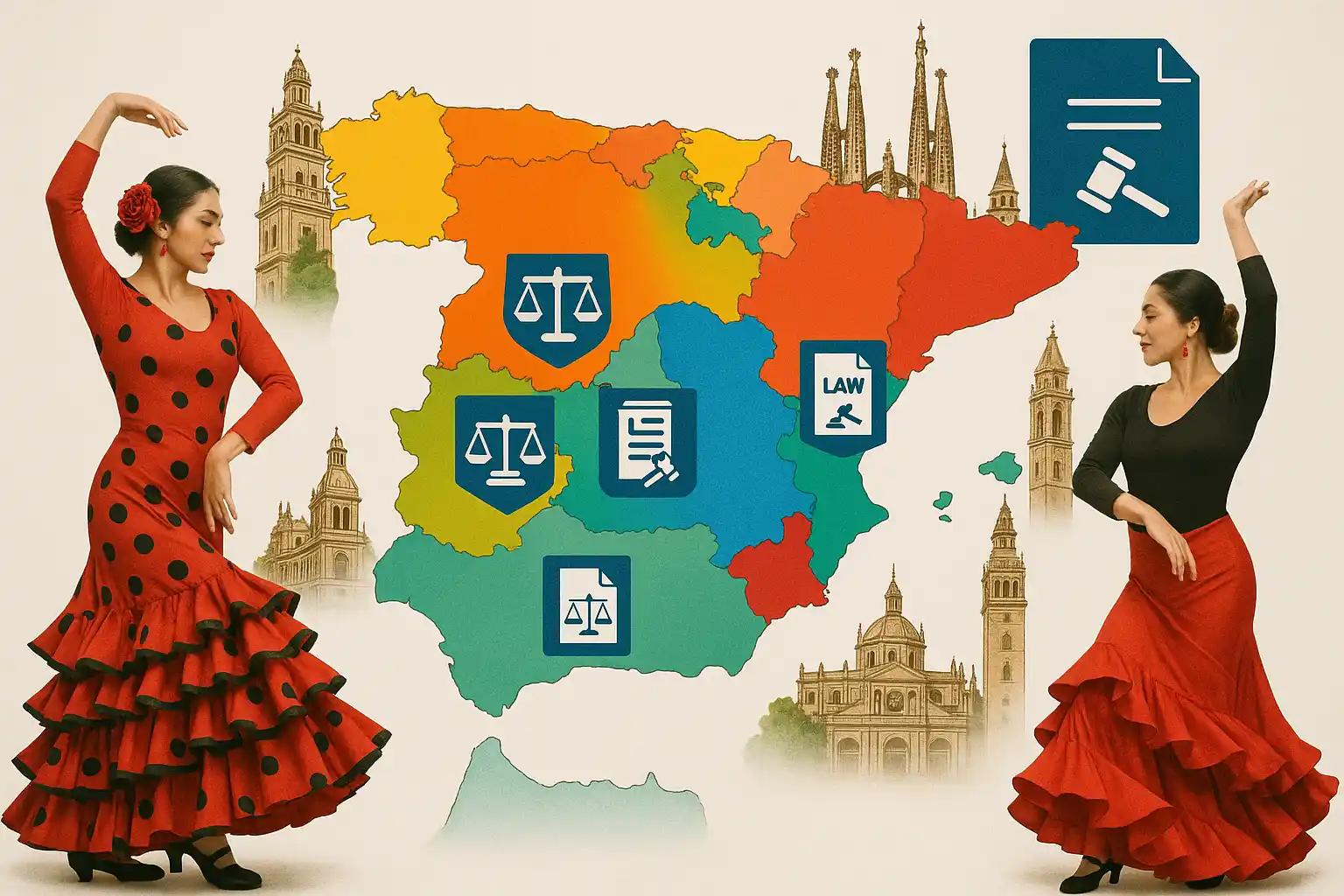
Comparative Analysis: How Do Different Regions Within Spain Fare When It Comes To Being An Inclusive Space For The LGBTQ Community?
Spain is known for its vibrant LGBTQ community, but inclusivity can vary significantly between regions. Understanding these differences helps travelers discover welcoming spaces.
Major Regions and Their LGBT Friendliness:
Catalonia:
Barcelona, particularly the Gaixample district, stands out for its lively LGBTQ scene. The region has comprehensive anti-discrimination laws and hosts major events like the Circuit Festival.
Madrid:
As the capital, Madrid boasts a robust LGBTQ presence, epitomized by the Chueca neighborhood. The city’s annual Pride celebration is one of the largest in Europe, reflecting strong social acceptance.
Andalusia:
Cities such as Seville and Málaga are increasingly embracing inclusivity. While traditional views may still linger in some areas, significant strides have been made in recent years. Events like Málaga Pride provide platforms for visibility.
Valencia:
Valencia ranks high in LGBT friendliness with a growing number of bars and clubs catering to diverse communities. The city also celebrates its own pride festivities, attracting visitors from across the country.
Regional Challenges:
Certain rural areas still struggle with acceptance. Issues include:
-
Limited resources for LGBTQ education
-
Instances of discrimination in smaller towns
Understanding regional dynamics enriches your travel experience and highlights Spain’s commitment to inclusivity. Each area offers unique opportunities for LGBTQ travelers to connect and celebrate their identities.
Conclusion
Spain is known for being LGBT-friendly, attracting travelers from all over the world. The country’s history of legal progress, cultural acceptance, and lively communities creates an inclusive atmosphere. Here are some key reasons why Spain stands out:
-
Legal Protections: Strong anti-discrimination laws protect LGBTQ rights.
-
Vibrant Destinations: Cities like Madrid and Barcelona have lively neighborhoods such as Chueca and Gaixample, where nightlife is buzzing.
-
Celebratory Events: Major pride events bring the community together, showcasing Spain’s commitment to equality.
Travelers looking for a friendly place will find that Spain not only meets but exceeds expectations for LGBT inclusivity. With supportive laws and energetic cultural scenes, Spain is a top choice for those who value acceptance and diversity. So, if you’re wondering is Spain LGBT friendly? The answer is a definite yes!
As we look ahead to 2025 and 2026, Spain is likely to maintain its leadership as an LGBT-friendly destination, driven by ongoing trends in social acceptance and robust legal protections that continue to evolve.
FAQs (Frequently Asked Questions)
What makes Spain a top LGBT-friendly destination in 2026?
Spain is recognized as an LGBT-friendly destination in 2026 due to its progressive legal framework, including the legalization of homosexuality since 1979 and the introduction of same-sex marriage in 2005. Vibrant LGBT neighborhoods like Madrid’s Chueca and Barcelona’s Gaixample, comprehensive anti-discrimination laws, and large-scale Pride events such as Madrid Pride (MADO) contribute to its welcoming atmosphere for the LGBT community.
What legal protections exist for LGBTQ individuals in Spain?
Spain offers comprehensive legal protections for LGBTQ individuals. The General Law on Equality of Treatment and Non-Discrimination (2019) prohibits discrimination based on sexual orientation and gender identity in employment, housing, and public services. Same-sex couples have equal rights to heterosexual couples, including marriage, adoption rights since 2005, tax advantages, inheritance rights, and social security benefits. Additionally, the Gender Identity Law (2021) allows transgender individuals to change their registered gender without surgery or medical intervention.
How does Spain support transgender rights?
Spain supports transgender rights through the Gender Identity Law enacted in 2021. This law allows individuals to legally change their registered gender without requiring surgery or any medical interventions. It also includes provisions that enable minors to transition with parental consent. These measures aim to respect personal autonomy and reduce barriers faced by transgender people in society.
What major LGBT festivals take place in Spain?
Spain hosts several major LGBT festivals that highlight its inclusive culture. Madrid Pride (MADO) is one of Europe’s largest pride festivals featuring grand parades through city streets. Gran Canaria Pride offers a week-long celebration with parties, performances by LGBTQ artists, themed events, and lively parades on beautiful beaches. Additionally, international events like Europride Spain and WorldPride Spain have been hosted here, further solidifying Spain’s reputation as a leading LGBT-friendly destination
Are there any challenges faced by the LGBT community in Spain despite its progressive stance?
Yes, despite significant progress, challenges remain for the LGBT community in Spain. Social stigma and occasional discrimination incidents occur in employment, housing, and healthcare sectors. Violence against LGBT individuals persists in some areas. There is also variation in acceptance levels between urban centers like Madrid or Barcelona and smaller towns or rural areas where conservative attitudes may prevail. Moreover, limited LGBTQ education resources exist outside major cities, underscoring ongoing efforts needed for full inclusivity.
Which cities and neighborhoods are best known for their LGBT-friendly environments in Spain?
Madrid and Barcelona are the most prominent LGBT-friendly cities in Spain. Madrid’s Chueca neighborhood is celebrated for its vibrant nightlife, cultural events, diverse dining options, and historical significance as a symbol of freedom and self-expression. Barcelona’s Gaixample district offers a welcoming atmosphere with popular bars, clubs, cultural festivals like the Circuit Festival, and various community events. Other regions such as Andalusia (Seville and Málaga) and Valencia also embrace inclusivity with growing LGBT-friendly establishments and pride festivities.