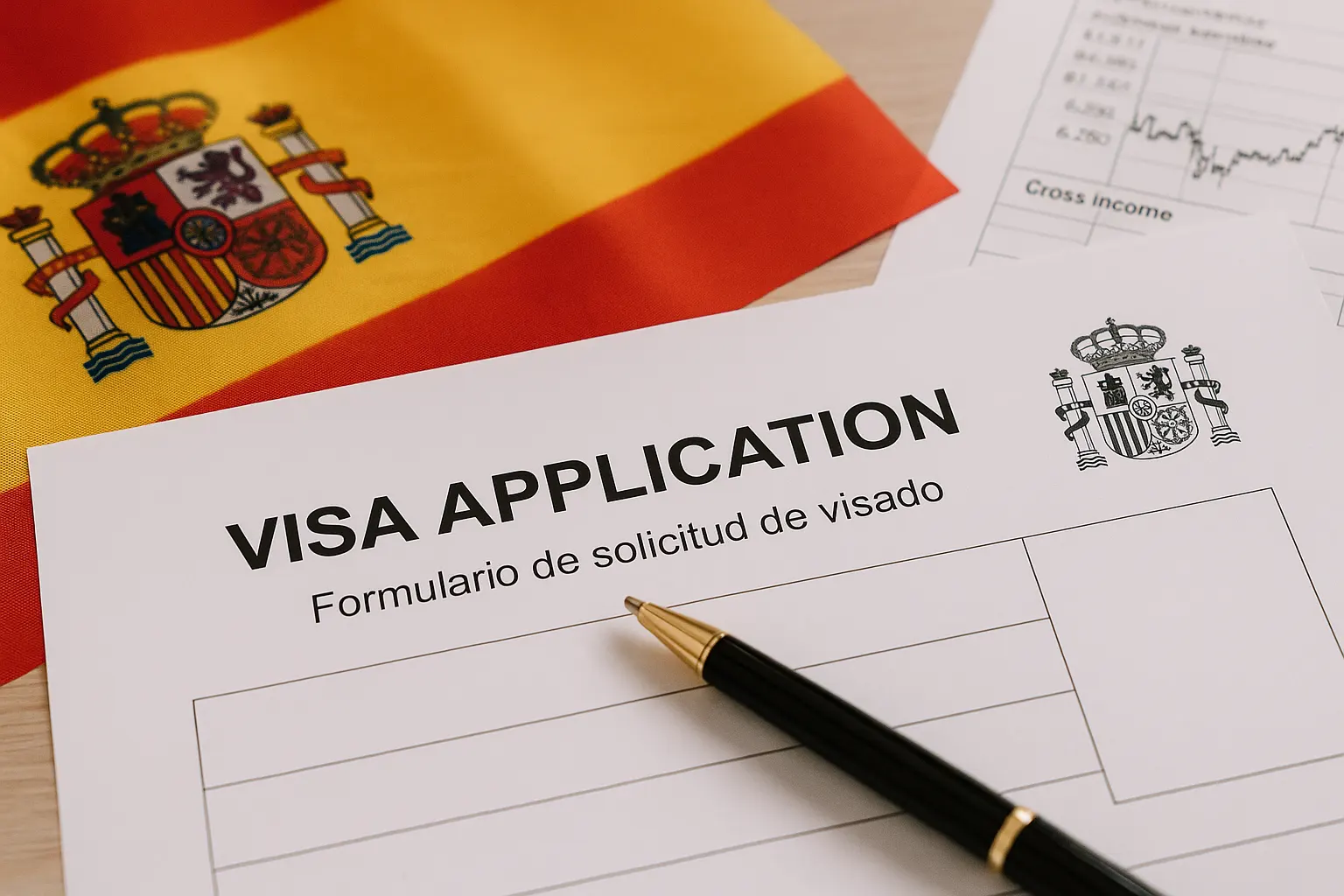

US citizens working remotely often dream of combining their careers with a globetrotting lifestyle. Spain, with its vibrant culture, stunning landscapes, and growing tech scene, has become an increasingly popular destination for these digital nomads. However, for those with an entrepreneurial spirit, Spain offers more than just a change of scenery. Its burgeoning startup ecosystem presents a unique opportunity for remote workers to transition from employees to investors, leveraging their skills and capital to contribute to and benefit from Spain’s economic growth in 2026.
TL;DR
-
Spain’s Digital Nomad Visa (DNV) offers a pathway for US remote workers to reside and work in Spain.
-
The DNV allows for 15% income tax for the first €600,000 of income for up to 5 years, under the Beckham Law.
-
Understanding Spain’s startup ecosystem and investment opportunities is crucial for digital nomad investors.
-
Key steps include obtaining a NIE, securing residency via the DNV, and registering with Social Security.
-
Navigating legal and tax frameworks is essential for successful investment and compliance in Spain.
Introduction
The landscape of work has fundamentally shifted, with US companies increasingly embracing remote work arrangements. This flexibility has empowered countless professionals to pursue their careers from anywhere in the world. For many, Spain stands out as an ideal locale, offering a high quality of life, rich cultural experiences, and a relatively affordable cost of living compared to major US cities. But beyond enjoying the Spanish sun and tapas, there’s a significant opportunity for US remote workers to tap into Spain’s dynamic startup investment landscape in 2026.
This article provides clear and practical information for US digital nomads looking to not only live and work remotely from Spain but also to actively participate in its innovative startup ecosystem as investors. We’ll delve into the necessary steps, legal frameworks, and strategic considerations essential for making this transition a success, ensuring you’re well-equipped to navigate the Spanish investment scene.
From Digital Nomad to Investor: Leveraging Spain’s Startup Ecosystem in 2026
1. Understanding Spain’s Digital Nomad Visa (DNV) for US Remote Workers
The first and most crucial step for any US remote worker planning a long-term stay in Spain is securing the appropriate legal status. Spain’s Digital Nomad Visa (DNV), introduced with the Startup Law, is specifically designed for non-EU/EEA citizens working remotely for companies outside of Spain or for those who are self-employed with clients predominantly outside of Spain. This visa is a game-changer, providing a legitimate pathway to residing and working in Spain with various benefits.
Eligibility Criteria for the DNV
To acquire the DNV, applicants must meet specific requirements:
-
Nationality: Be a non-EU/EEA citizen.
-
Remote Work: Have a genuine employment contract with a company outside Spain, or demonstrate self-employment with at least 80% of income from clients outside Spain. The work must be able to be performed remotely.
-
Professional Experience: Possess relevant professional experience or academic qualifications.
-
Minimum Income: Meet a minimum income threshold, which is typically 200% of Spain’s Minimum Interprofessional Salary (SMI). For 2026, it is essential to check the updated SMI figures as they are adjusted annually.
-
Clean Criminal Record: Provide a certificate demonstrating no criminal record from your country of origin and any countries of residence in the past five years.
-
Private Health Insurance: Secure private health insurance covering all risks in Spain for the duration of your stay.
-
Financial Solvency: Demonstrate sufficient financial means to support yourself and any accompanying family members.
The Advantage of the Beckham Law
One of the most attractive features for US digital nomads under the DNV is the ability to opt into the “Beckham Law” (Régimen Especial para Trabajadores Desplazados). This special tax regime allows eligible individuals to be taxed as non-residents for up to five years, attracting a flat tax rate of 15% on Spanish-sourced income up to €600,000 per year, instead of the progressive income tax rates that can go much higher. This significant tax advantage makes Spain incredibly appealing for high-earning remote workers and potential investors.
2. Navigating the Spanish Bureaucracy: Essential First Steps
Once the DNV is in sight, several administrative steps are essential for establishing yourself in Spain and preparing for investment activities.
Obtaining Your NIE (Número de Identificación de Extranjero)
Your NIE is a Foreigner Identification Number, and it’s absolutely crucial for almost every administrative and financial activity in Spain, including opening a bank account, signing contracts, buying property, and, importantly, investing. You can apply for a NIE at a Spanish embassy or consulate in the US before you arrive, or at a police station (Comisaría de Policía) in Spain once you have entered. The application process requires providing identification and justifying your need for the number.
Registering with Social Security (Seguridad Social)
Even as a remote worker, you will need to understand your obligations regarding Spain’s Social Security system. If you are an employee of a US company, you might be exempt from Spanish Social Security contributions if the US and Spain have a Social Security agreement that covers your situation, often requiring a Certificate of Coverage (Form USA/SP 1) from the US Social Security Administration. If you plan to register as an “autónomo” (self-employed) in Spain, which might be the case if you transition into offering your services locally or engaging in local investment, you will be required to register with the Spanish Social Security system and make monthly contributions.
3. Spain’s Startup Ecosystem: Opportunities for Investment
Spain’s commitment to fostering innovation is evident in its “Startup Law,” which provides legal and tax incentives for startups and investors. Cities like Barcelona, Madrid, Valencia, and Malaga are emerging as vibrant tech hubs, attracting talent and capital. This environment creates fertile ground for US digital nomads looking to transition into the investor space.
Key Sectors and Growth Areas
The Spanish startup ecosystem is diverse, but certain sectors show particular promise in 2026:
-
Fintech: Spain has a robust banking sector and a growing interest in challenger banks and payment solutions.
-
Proptech: Innovation in real estate technology, from property management to fractional ownership, is thriving.
-
Tourism Tech: Given Spain’s massive tourism industry, startups leveraging technology to enhance travel experiences are always in demand.
-
Agri-Food Tech: Sustainability and efficiency in agriculture and food production are key areas of focus.
-
Renewable Energy: Spain is a leader in renewable energy, and startups in this space are receiving significant investment.
How Digital Nomads Can Engage as Investors
As a US remote worker looking to invest, you have several avenues:
-
Angel Investor: If you have capital and expertise, you can directly invest in early-stage startups. This often involves offering mentorship alongside financial backing.
-
Venture Capital Funds: Investing in Spanish VC funds provides a diversified approach, allowing professionals to leverage the fund’s expertise in identifying promising startups.
-
Crowdfunding Platforms: Spain has several regulated equity crowdfunding platforms that allow individuals to invest smaller amounts in a range of startups.
-
Starting Your Own Venture: Leveraging your skills and the benefits of the Startup Law, you could even launch your own startup in Spain.
4. Legal and Tax Implications for Investors
Understanding the legal and tax landscape for investors in Spain is paramount to ensuring compliance and optimising returns.
Investment Vehicles and Legal Structures
When investing in Spain, you’ll encounter various legal structures:
-
Sociedad Limitada (S.L.): A private limited company, common for startups.
-
Sociedad Anónima (S.A.): A public limited company, typically for larger enterprises.
-
Participations (Participaciones Sociales): Shares in an S.L.
-
Acciones (Shares): Shares in an S.A.
It’s crucial to consult with a Spanish legal advisor to determine the most suitable investment vehicle for your specific goals and tax situation.
Taxation of Investments
While the Beckham Law offers advantages for income tax, investment income is generally taxed separately. Capital gains from the sale of shares, dividends, and interest are subject to Spain’s savings tax rates, which are progressive:
-
Up to €6,000: 19%
-
From €6,000 to €50,000: 21%
-
From €50,000 to €200,000: 23%
-
Over €200,000: 26% (these rates are subject to change year to year, so it’s vital to confirm 2026 figures).
The double taxation treaty between the US and Spain helps prevent investors from being taxed twice on the same income, but it’s a complex area requiring expert advice.
5. Strategic Planning and Professional Guidance
The journey from digital nomad to investor in Spain is a rewarding one, but it requires careful planning and professional assistance.
Building Your Network
Networking is essential in the startup world. Attend industry events, join co-working spaces, and connect with local entrepreneurs, incubators, and accelerators. Platforms like LinkedIn are also valuable tools for making connections within the Spanish startup ecosystem.
Seeking Expert Advice
It is essential to engage with Spanish professionals early in your process. This includes:
-
Immigration Lawyers: For navigating the DNV application and residency permits.
-
Tax Advisors (Asesores Fiscales): To understand your tax obligations, especially regarding the Beckham Law and investment income.
-
Corporate Lawyers: For due diligence on investment opportunities and structuring your investments.
-
Startup Advisors/Consultants: To help identify promising ventures and understand the local market dynamics.
Key Takeaways
-
Spain’s Digital Nomad Visa offers a streamlined path for US remote workers to live and work in Spain while benefiting from attractive tax incentives under the Beckham Law.
-
Obtaining a NIE and understanding Social Security obligations are fundamental administrative steps.
-
Spain’s Startup Law and growing tech hubs present significant investment opportunities across various sectors.
-
Careful consideration of legal structures and tax implications for investments is crucial.
-
Professional guidance from immigration lawyers, tax advisors, and corporate lawyers is indispensable for a successful transition from digital nomad to investor in Spain in 2026.
Authority Sources
Ministerio de Inclusión, Seguridad Social y Migraciones, España
Agencia Tributaria (AEAT), España
Ley 28/2022, de 21 de diciembre, de fomento del ecosistema de las empresas emergentes (Startup Law)
Consulado General de España en Nueva York
US Social Security Administration
Start Your Spanish Investment Journey
Are you a US remote worker ready to elevate your experience in Spain from living and working to actively investing in its vibrant future? Contact a qualified Spanish immigration lawyer and tax advisor today to begin planning your transition and unlock the full potential of Spain’s startup ecosystem in 2026.
Citations
This text references the following articles:
-
Spain Digital Nomad Visa 2026 – Immigrant Invest — “To obtain a Spain Digital Nomad Visa, the applicant must confirm remote working income of at least €2,849 per month, or €34,188 per year. The …”
-
Spain’s Digital Nomad Visa – A Guide for American Remote Workers — “The Digital Nomad Visa allows Americans to live and work in Spain, offering a high quality of life in one of Europe’s most vibrant …”
-
Spain Digital Nomad Visa 2026: Requirements & Income — “Learn how to apply for Spain’s Digital Nomad Visa, including income requirements, tax rules, documents, costs, and renewal options for …”
-
The Complete Guide to Spain’s Digital Nomad Visa – Realista — “To get the Spanish Digital Nomad Visa, a single person needs to earn at least €2,760 ($3,198) per month, or about €33,120 per year. If you have …”
-
Spain’s Digital Nomad Visa: A Guide for American Remote Workers — “Discover Spain’s Digital Nomad Visa, including eligibility, benefits, and essential tax information for US expats.”