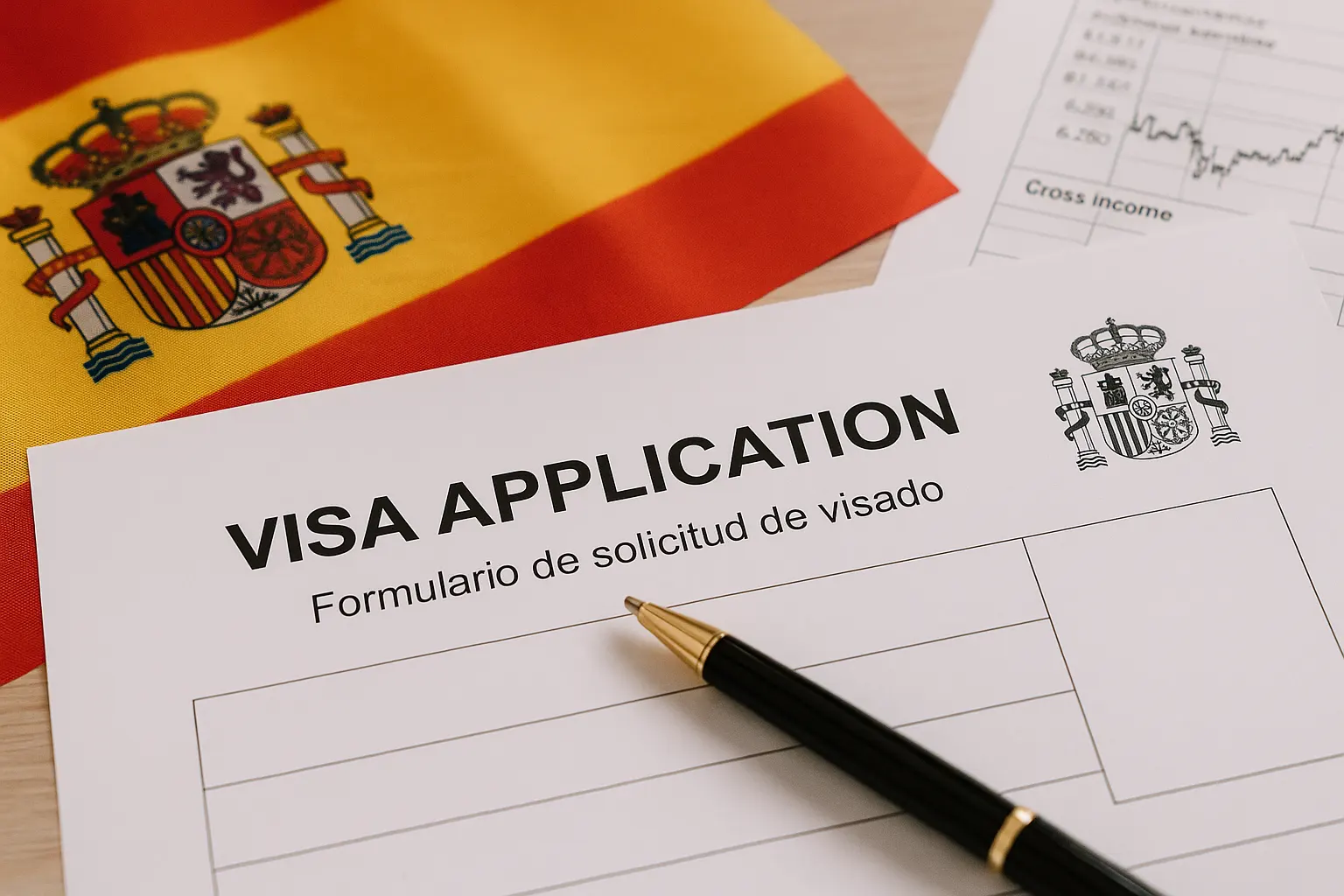


Are you a Canadian contemplating a move to Madrid in 2026? Spain’s vibrant capital, with its rich history, bustling culture, and enticing lifestyle, continues to draw expats from around the globe. For Canadians, the allure of a new adventure coupled with a relatively straightforward immigration process (especially with the evolving Digital Nomad Visa options) makes Madrid an increasingly attractive destination. This comprehensive guide provides clear and practical information, designed to equip you with the knowledge needed to navigate the complexities of relocating and thriving in Madrid as a Canadian expat.
TL;DR
-
Canadians moving to Madrid in 2026 will find a city rich in culture, opportunity, and a welcoming expat community.
-
Securing the correct visa (Student, Non-Lucrative, or Digital Nomad) is paramount, with the Digital Nomad Visa offering significant advantages for remote workers.
-
Obtaining a NIE, registering for Social Security (NUSS), and setting up bank accounts are essential administrative steps.
-
Understanding the Spanish healthcare system and tax obligations is crucial for a smooth transition.
-
Embracing the local culture, learning Spanish, and connecting with expat networks will enhance your experience.
Introduction
Madrid, a city that effortlessly blends historical grandeur with modern dynamism, has consistently ranked as one of the top European destinations for expatriates. Its temperate climate, delectable cuisine, affordable cost of living (compared to many Canadian cities), and an unparalleled work-life balance are just a few reasons why Canadians are increasingly choosing to call it home. However, moving internationally, particularly to a country with a different administrative and legal framework, requires meticulous planning and accurate information. This guide aims to demystify the process for Canadian citizens considering Madrid as their long-term residence in 2026, offering actionable advice on everything from visa applications to daily life integration.
Living in Madrid as a Canadian Expat in 2026: Your Essential Guide
1. Visa and Immigration Requirements for Canadians
The first and most critical step for any Canadian planning to live in Madrid in 2026 is securing the appropriate visa. Spain offers several pathways for long-term residency, each with specific eligibility criteria and application processes.
1.1. The Digital Nomad Visa (DNV)
For independent contractors, remote employees, or self-employed individuals working for companies outside of Spain, the Digital Nomad Visa, officially known as the “Visa for International Teleworkers,” represents a significant opportunity. Introduced to attract talent and boost the Spanish economy, this visa streamlines the process for many Canadians.
-
Eligibility Criteria: To qualify in 2026, you must generally be a non-EU/EEA citizen, be employed or self-employed by a company outside of Spain, and demonstrate stable and regular income (exceeding certain thresholds, typically 200% of the Spanish minimum wage). You must also hold a university degree or demonstrate at least three years of professional experience, and not have a criminal record.
-
Application Process: The application can be made at the Spanish Consulate General in Canada (Toronto, Montreal, or Vancouver) before arriving in Spain, or within the first 90 days of lawful entry into Spain. The process involves submitting a comprehensive dossier including your passport, proof of remote work or self-employment, financial solvency, health insurance, and a criminal record check. The initial visa is usually granted for one year, extendable for up to three years, and can eventually lead to permanent residency.
-
Benefits: Besides the obvious benefit of legal residency, DNV holders often enjoy a favourable tax regime (the “Beckham Law”), allowing them to pay a flat 24% income tax rate on their first 600,000 EUR of income for the first six years, rather than the standard progressive rates for residents.
1.2. Non-Lucrative Visa
For Canadians who do not intend to work in Spain but have sufficient financial means to support themselves, the Non-Lucrative Visa is an option. This is popular among retirees or individuals with passive income.
-
Eligibility: Demonstrating significant financial resources (usually 400% of the IPREM – Public Multiple Effects Income Indicator), private health insurance, and a clean criminal record are essential.
-
Limitations: This visa explicitly prohibits engaging in any economic activity in Spain.
1.3. Student Visa
If your plan is to pursue higher education or language studies in Madrid, a Student Visa is the appropriate choice.
-
Eligibility: You must be accepted into an accredited educational institution, prove financial solvency, and obtain private health insurance.
-
Work Rights: Student visas often permit limited part-time work (up to 30 hours per week) to help cover living expenses.
Regardless of the visa type, it is crucial to start the application process well in advance, as processing times can vary. Consulting the official website of the Spanish Ministry of Foreign Affairs and the Spanish Consulates in Canada for the most up-to-date requirements in 2026 is always recommended.
2. Essential Administrative Steps Post-Arrival
Once you’ve arrived in Madrid with your visa in hand, there are several crucial administrative tasks you must complete to regularize your status and integrate into Spanish society.
2.1. Obtaining Your NIE (Número de Identificación de Extranjero)
The NIE is your Foreigner Identification Number, a unique fiscal identification number essential for almost every administrative, legal, and financial activity in Spain. It is used for opening bank accounts, signing contracts (rent, utilities, mobile phone), purchasing property, and paying taxes.
-
Process: Your initial visa will likely have your NIE on it. If not, you will need to apply for it at a National Police Station (Comisaría de Policía Nacional) with an Aliens Department (Oficina de Extranjería) within Madrid. This involves filling out forms (EX-15), providing your passport, and paying a small fee (Modelo 790, code 012). An appointment (cita previa) is almost always mandatory and can be booked online.
2.2. Registering with Social Security (Número de Afiliación a la Seguridad Social – NUSS)
If you plan to work, whether employed or self-employed (autónomo), you must register with the Spanish Social Security system. This provides access to public healthcare and contributes to future pension entitlements.
-
Process: Visit your local Social Security General Treasury (Tesorería General de la Seguridad Social – TGSS) office. You’ll need your NIE, passport, and the TA.1 form. For self-employed individuals, there are specific registration steps to declare your activity (alta de autónomo).
2.3. Empadronamiento (Registration with the Municipal Register)
The Empadronamiento is the act of registering your address with your local town hall (Ayuntamiento). This is mandatory for all residents and is required for various services, including accessing public healthcare, enrolling children in school, or voting in local elections (for EU citizens, but also relevant for proving residency for other purposes).
-
Process: Make an appointment at your local Ayuntamiento. You’ll need your passport, NIE, and your rental contract or property deed.
2.4. Opening a Spanish Bank Account
A Spanish bank account is essential for managing your finances, receiving salaries, and paying bills.
-
Requirements: Typically, you will need your NIE, passport, and proof of address. Some banks might require proof of income or a contract of employment. Major Spanish banks include BBVA, Santander, CaixaBank, and Sabadell.
3. Healthcare in Spain
Spain boasts a highly-regarded, universal public healthcare system (Sistema Nacional de Salud). As a Canadian expat in 2026, your access to this system depends on your employment status and visa type.
-
Public Healthcare Access: If you are working and contributing to Social Security (either as an employee or autónomo), you will be eligible for public healthcare. You will receive a health card (tarjeta sanitaria) allowing you access to doctors, specialists, and hospitals.
-
Private Health Insurance: For those on Non-Lucrative or Digital Nomad Visas who are not contributing to Social Security, private health insurance is a mandatory requirement. Many expats opt for private insurance even if they qualify for public healthcare, for benefits such as shorter waiting times and wider choice of specialists. It’s crucial to ensure your private insurance meets the minimum coverage requirements set by the Spanish government, which often stipulate no co-payments, no deductibles, and comprehensive coverage throughout Spain.
4. Taxation in Spain
Understanding your tax obligations is paramount. Spain has a progressive income tax system (IRPF – Impuesto sobre la Renta de las Personas Físicas).
-
Tax Residency: Generally, if you spend more than 183 days in Spain in a calendar year, you are considered a tax resident and must declare your worldwide income.
-
Digital Nomad Visa and the Beckham Law: As mentioned, DNV holders may be eligible for the special tax regime (often called the Beckham Law), which taxes foreign-sourced income at a flat 24% for the first €600,000, for their first six years of residency. This can represent substantial savings compared to standard progressive tax rates. Seeking professional tax advice from a Spanish tax accountant is highly recommended to understand your specific obligations and potential benefits.
-
Canada-Spain Tax Treaty: There is a tax treaty between Canada and Spain designed to prevent double taxation. However, interpreting this treaty can be complex, and professional advice is advisable.
5. Finding Accommodation in Madrid
Madrid offers a diverse range of neighbourhoods, each with its unique character. Your choice will depend on your lifestyle, budget, and proximity to work or amenities.
-
Rental Market: The rental market in Madrid can be competitive, especially in popular central areas. Websites like Idealista, Fotocasa, and Piso.com are excellent starting points. You might also consider using a real estate agent (inmobiliaria), though this usually involves agency fees.
-
Rental Contracts: Typically, rental contracts are for one year, extendable up to five or seven years, and require a security deposit (fianza) of one or two months’ rent, plus potentially an additional guarantee (garantía adicional) of up to a few months’ rent.
6. Integrating into Life in Madrid
Beyond the administrative hurdles, truly living in Madrid involves embracing its culture and connecting with its people.
-
Learning Spanish: While many Madrileños, especially younger generations and those in tourist-heavy areas, speak English, daily life will be significantly easier and richer if you make an effort to learn Spanish. There are numerous language schools and exchange programs available.
-
Public Transportation: Madrid boasts an excellent public transportation system (Metro, buses, and Cercanías trains), making it easy to navigate the city without a car.
-
Connecting with Expats: Madrid has a thriving expat community. Online groups (Facebook, Meetup), expat forums, and international clubs are great ways to meet people, share experiences, and gain local insights.
-
Embracing the Culture: From late dinners and evening strolls (paseos) to afternoon siestas (though less common in professional life) and the vibrant social scene, immerse yourself in the Spanish way of life. Enjoy the tapas, visit world-class museums like the Prado and Reina Sofia, and explore the city’s many parks and historic sites.
Key Takeaways
-
Proactive visa planning is essential for Canadians moving to Madrid in 2026; the Digital Nomad Visa offers an increasingly popular and flexible route.
-
The NIE, NUSS, and Empadronamiento are foundational administrative requirements that facilitate integration into Spanish society.
-
Understanding your healthcare coverage (public vs. private) and tax obligations (including potential Beckham Law benefits) is crucial for financial and personal well-being.
-
Learning Spanish, engaging with local culture, and connecting with expat communities will significantly enrich your experience in Spain’s captivating capital.
-
Professional advice, particularly regarding visas, taxes, and legal matters, is invaluable for a smooth transition.
Authority Sources
-
Spanish Ministry of Foreign Affairs, European Union and Cooperation
-
Spanish Ministry of Inclusion, Social Security and Migrations
-
Tesorería General de la Seguridad Social (TGSS)
-
Secretaría de Estado de Migraciones
-
Agencia Tributaria (AEAT – Spanish Tax Agency)
-
Spanish Consulates General in Canada
Contact Us
Navigating the intricacies of international relocation can be daunting. If you are a Canadian planning your move to Madrid in 2026 and require personalized guidance on visa applications, administrative procedures, or tax planning, contact our expert team today. We provide tailored advice to ensure your transition to Spanish life is as seamless as possible.
Citations
This text references the following articles:
-
Residency from Canada to Spain – Legal Fournier — “Canadian citizens can visit Spain visa-free for up to 90 days within any 180-day period. For longer stays or work, you need a residence visa: Digital Nomad Visa …”
-
Work and travel in Spain: International Experience Canada — “Who can apply? · be a Canadian citizen · be 18-35 years old (inclusive) · live in Canada when applying, and · have a Canadian passport that’s valid …”
-
Move to Spain with a Student Visa – TEFL Madrid Academy — “Move to Spain from the US, UK, Canada or Australia. Get visa support, legal residency & study Spanish in Madrid with our accredited program.”
-
Moving to Spain from Canada: An Expat Guide – Crown Relocations — “In this comprehensive moving-to guide, we will cover various aspects of moving to Spain, including living costs, visas, accommodation, health, and the …”
-
Embassy of Canada to Spain, in Madrid — “We provide services to Canadians visiting and living in Spain. We also provide services to Canadians in Spain, Andorra, and Canary Islands.”