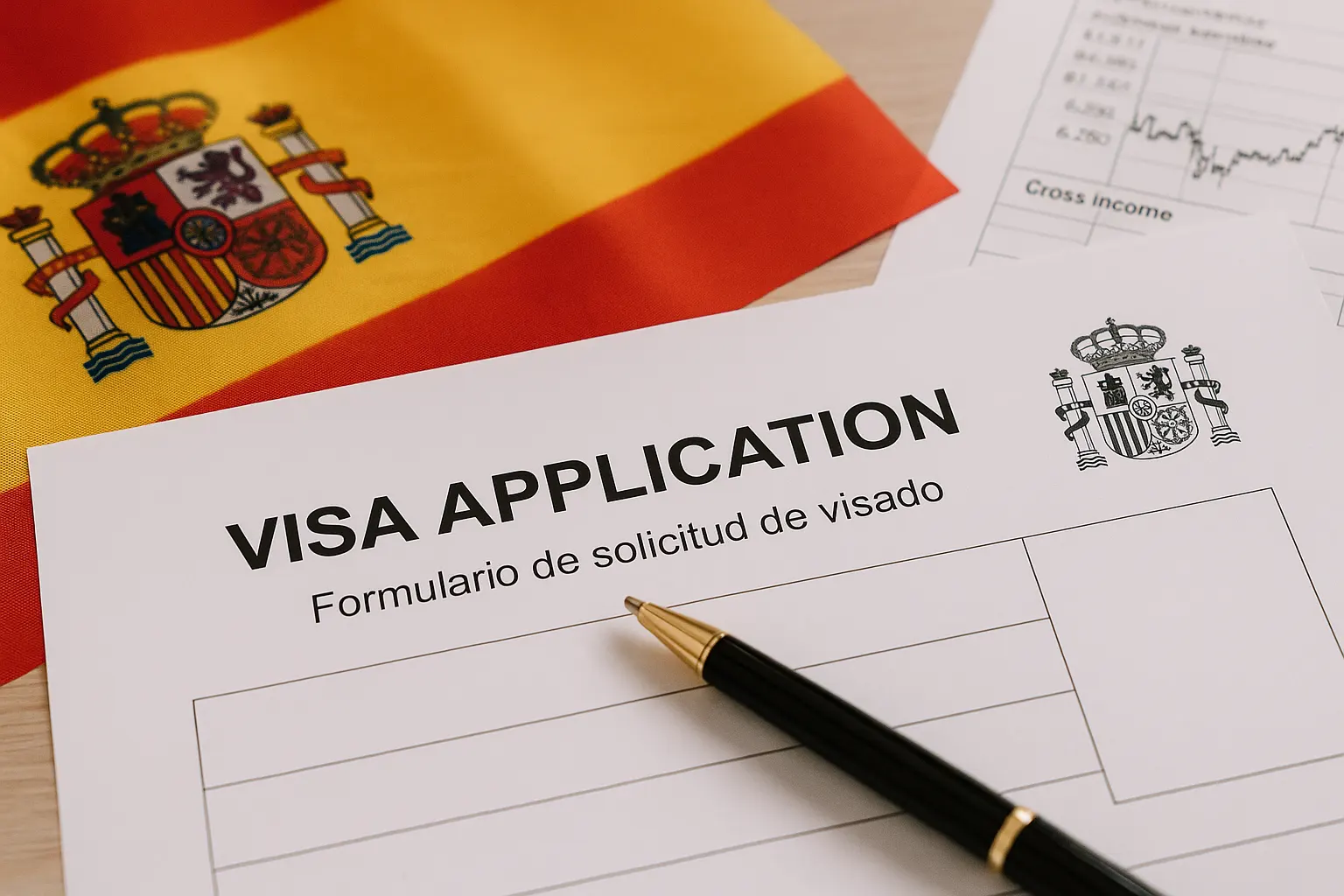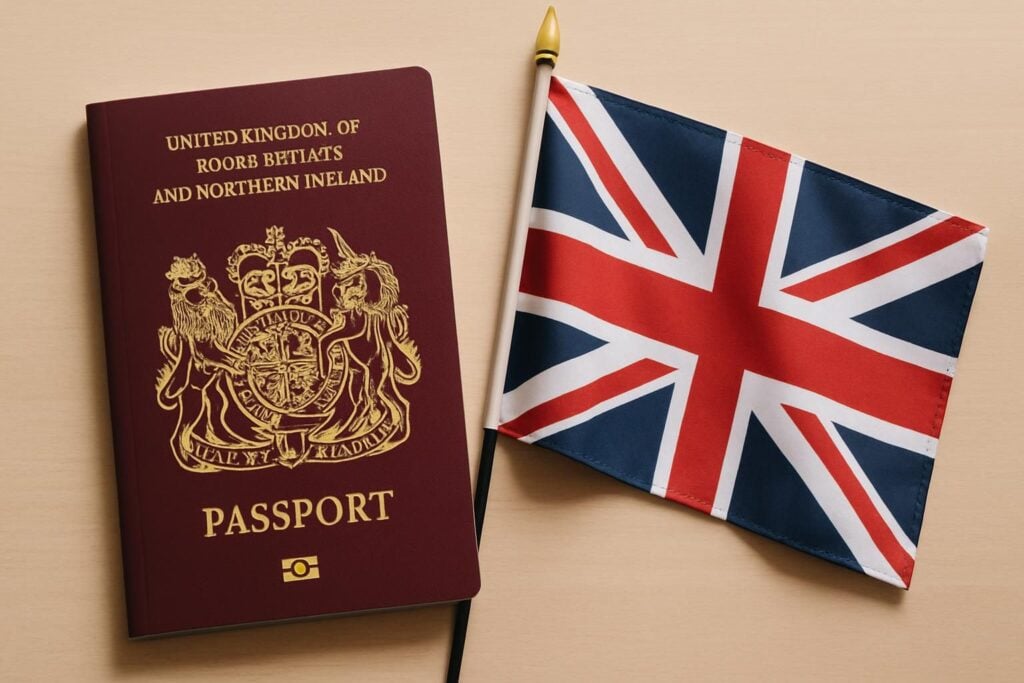

In 2026, the concept of dual citizenship in the UK continues to attract interest among individuals looking to enhance their personal and professional opportunities. This comprehensive guide will provide an in-depth analysis of the eligibility requirements, benefits, and intricate processes involved in acquiring dual citizenship across the regions of England, Scotland, Wales, and Northern Ireland. In doing so, we will examine the various regional differences in legal considerations and application processes, enabling prospective applicants to have a clearer understanding of what to expect. Moreover, the article will explore the impact of recent political changes, personal narratives from successful applicants, and expert insights, forming a comprehensive outlook on dual citizenship in the UK. By the end of this article, readers will be equipped with the necessary knowledge to navigate their dual citizenship journey with confidence.
Direct Answer
Dual citizenship in the UK allows individuals to hold citizenship in more than one country simultaneously. This is particularly advantageous as it means individuals can enjoy the rights and privileges associated with both citizenships, such as voting, working, and residing in each respective nation. Currently, the UK does not formally object to dual citizenship, permitting its citizens to hold multiple nationalities, provided that they comply with the laws of the other countries involved. Consequently, this arrangement offers various opportunities for personal, economic, and social enrichment. Understanding the full implications and benefits of dual citizenship is essential for anyone considering this path. This includes being aware of differing legal implications that may vary depending on one’s country of origin or the nations of which they wish to become a citizen.
Introduction
Understanding the intricacies of dual citizenship in the UK is essential in today’s increasingly globalised world. The ability to hold two citizenships offers individuals a more flexible path in both their personal and professional lives. The eligibility requirements can vary significantly based on regional governance, and hence, prospective applicants must stay informed about the latest developments in immigration law as of 2026. This article is structured to illuminate these complexities, focusing not only on the application process itself but also on how local policies in England, Scotland, Wales, and Northern Ireland contribute to the overall experience of obtaining dual nationality. We delve into the specific eligibility criteria and practical details that can profoundly influence an applicant’s journey. Irrespective of the applicants’ individual backgrounds, one common goal unites them—the pursuit of opportunities made possible through dual citizenship.
Regional Eligibility Requirements for Dual Citizenship
The criteria for acquiring dual citizenship can differ significantly across the four nations of the UK. This section will address how these regional variances impact potential applicants, ensuring they are well-informed about their specific situation. Understanding these differences is crucial, as the application process may present various challenges depending on local laws and norms.
England
In England, the path to dual citizenship typically follows a smooth process, as English authorities generally have straightforward regulations supporting it. Applicants may qualify through one of several pathways:
-
Birth: Individuals born in the UK to at least one British parent automatically acquire British citizenship, which can lead to eligibility for dual status. This effectively allows them to retain the citizenship of their parent’s country, thereby offering extensive rights and privileges from both nations.
-
Naturalisation: Foreign nationals who have lived in the UK for at least five years and have fulfilled specific criteria, such as demonstrating good character and proficiency in the English language, can apply for naturalisation. The naturalisation process involves providing thorough documentation and undergoes a rigorous review to ensure that applicants fully comply with legal requirements.
It is vital for applicants to ensure that their existing nationality permits dual citizenship, as some countries may require individuals to renounce their previous citizenship upon acquiring a new one. Furthermore, accessible online resources and consultation with immigration advisors can facilitate the journey, helping applicants navigate the fine details such as paperwork and legal obligations. Legal guidance can significantly increase the chance of a successful application by clarifying any complex aspects of the process.
Scotland
In Scotland, the principles governing dual citizenship are largely aligned with those of England; however, the application process can vary slightly due to the devolution of powers to the Scottish Parliament. Key points of consideration include:
-
Scottish ancestry: Individuals with Scottish heritage might have their claims bolstered through special routes created for them. For instance, Scotland has specific guidelines that may favour applicants who can trace their roots to Scotland, further enhancing their application potential.
-
Residency considerations: Similar requirements for residency and language proficiency, as outlined in UK law, apply here. It is important to note that the residency requirement is not solely about the time spent living in Scotland but also the intentions and integration into the local community.
When applying, it is advisable for applicants to investigate how Scottish law might affect their case, especially in relation to their status within the wider UK context. Furthermore, it can be beneficial to consult with local immigration experts who understand the nuances of Scottish regulations, providing tailored advice based on individual circumstances.
Wales
The approach to dual citizenship in Wales mirrors that of England, as Wales is subject to the same legislative framework regarding citizenship and nationality. Nonetheless, there are notable distinctions:
-
Cultural considerations: Welsh identity and the local language may play a crucial role in community integration for applicants aiming to secure dual citizenship. For instance, understanding Welsh culture, language, and traditions can facilitate smoother social integration and enhance community ties.
-
Local legal resources: The availability of Welsh-speaking legal and advisory services can provide tailored assistance to applicants navigating their options. This local support can be invaluable, especially for individuals who wish to communicate in their preferred language.
Overall, applicants should be mindful of the importance of local identity in their pursuit of dual citizenship. Engaging with the local communities in Wales can provide valuable insights and support throughout the application process, enabling applicants to build strong connections and a sense of belonging.
Northern Ireland
Northern Ireland presents unique considerations for those seeking dual citizenship. The complexities of the region’s political history may influence applications, particularly concerning:
-
Discrimination: Historical tensions may sometimes negatively affect the perception of individuals seeking dual status, particularly as identity remains a sensitive issue in the region. A nuanced understanding of the local political climate can be beneficial in mitigating any potential challenges during the application process.
-
Common ground: Both the United Kingdom and the Republic of Ireland permit dual citizenship, which can create various opportunities for applicants with ties to both countries. Notably, individuals born in Northern Ireland can claim citizenship of both the UK and the Republic of Ireland, facilitating an easier dual citizenship path for them.
Understanding the political landscape in Northern Ireland is crucial for potential applicants, as a well-informed approach can significantly influence the likelihood of their application being received positively. It can be beneficial for applicants to consult with local resources and legal experts who recognise the historical and political sensitivities in the region.
Impact of Recent Political Changes on dual citizenship applications
As of 2026, the political landscape in the UK continues to evolve, leading to changes that impact dual citizenship processes. Recent developments include:
-
Brexit implications: The exit from the European Union has introduced new rules that affect European citizens living in the UK and British citizens living in the EU. They must now navigate additional complexities regarding residency permits and citizenship applications, elevating the importance of understanding the immigration framework post-Brexit. For instance, new residency guidelines may require extensive documentation and proof of ongoing ties to the UK.
-
Nationality laws revision: A continuous review of nationality legislation may affect how dual citizenship applications are processed and viewed by local authorities. Changes in administrative practices or legislative amendments can result in altered eligibility criteria or additional bureaucratic requirements that applicants must fulfil.
Understanding these political shifts is fundamental for individuals considering dual citizenship, as these changes may directly affect application success rates, processing times, and the overall approach to obtaining dual nationality. Staying informed about potential implications of legislative alterations can empower applicants to adapt their strategies effectively.
Personal Narratives and Case Studies
Real experiences can often highlight the complexities and triumphs associated with the dual citizenship application process in the UK. Below are a few personal accounts from applicants that demonstrate the diverse experiences and challenges faced along the way:
-
Emma’s Journey: Originally from Spain, Emma faced significant challenges when applying for dual citizenship due to the intricate regulations and changes brought about by the Brexit transition. Yet, with proper legal guidance and determination, she successfully navigated the processes and secured her dual citizenship. Emma highlights the importance of thorough preparation and consulting with experts who could steer her through the labyrinth of application requirements. Her story exemplifies not only resilience but also the power of informed decision making in navigating complex legal waters.
-
Omar’s Experience: As a Northern Irish citizen seeking dual nationality with the Republic of Ireland, Omar made considerable use of available resources and community support to simplify his application. His familiarity with regional laws showcased the significant impact local knowledge can have on successful applications. Omar’s experience serves to underline the necessity of understanding local regulations and drawing on communal connections for guidance and assistance in what can be a daunting application process.
These narratives illustrate the varied personal experiences and the significance of tailoring one’s approach based on local regulations and unique circumstances. Each story highlights different facets of the dual citizenship journey, underscoring both the challenges and the rewards that can result from perseverance and determination.
Expert Opinions on Legal Complexities
To further understand the legal intricacies involved in dual citizenship, we consulted several immigration lawyers specialising in this area. Their insights provide a broader context to navigate the complexities of the application process. Some highlights from their expert opinions include:
-
Michele, a prominent immigration lawyer, stresses the importance of ensuring documentation is meticulously prepared: “Small errors can lead to significant delays or denials in applications.” She advises prospective applicants to maintain comprehensive records and review everything meticulously, as even minor oversights can derail the outcome of their application.
-
Ben, another legal expert with extensive experience in aiding clients with dual nationality applications, notes that a thorough understanding of the rules applicable to the applicant’s home country is equally crucial. He emphasises that failing to consider the legal implications of their original citizenship can lead to unintended consequences that may jeopardise the applicant’s dual citizenship status.
Staying informed through consultations with legal professionals can greatly enhance the chances of a successful application. Engaging regularly with experts not only aids in avoiding common pitfalls but can also provide valuable insights into potential changes in the legal framework that may affect applicants.
Key Takeaways
Comprehending the landscape of dual citizenship in the UK as of 2026 involves:
-
Recognising regional differences in eligibility and processes across England, Scotland, Wales, and Northern Ireland. Each region presents its unique challenges and opportunities that applicants must be aware of to successfully navigate their dual citizenship journey.
-
Staying informed about recent every political changes that may affect application pathways. Being aware of legislative amendments and administrative shifts can substantially influence the approach taken during the application process.
-
Engaging with personal experiences and professional insights to enhance understanding and strategy. Learning from the narratives of others who have successfully secured dual citizenship can provide practical tips and boost confidence for prospective applicants.
FAQ
Here, we address some common dual citizenship questions that may arise for potential applicants:
-
Can I lose my original citizenship if I apply for dual citizenship? – This depends on the laws of your original country. Some countries may require renunciation of previous citizenship upon gaining a new one, while others might permit dual status with no requirement to give up prior citizenship.
-
What documents are needed for application? – Typically, you will need proof of residence, identity documentation, and any historical evidence of citizenship from your previous nationality. It is advisable to maintain up-to-date documents and copies of relevant paperwork, as this can ease the process and strengthen your application.
Authority Sources
For further guidance and authoritative information on dual citizenship, refer to:
-
UK Government Official Website – for updates on citizenship laws and applications, along with essential information that applicants are required to know.
-
Legal Aid Agencies – for assistance in understanding local regulations and laws that govern dual citizenship applications. Engaging with these agencies can provide further clarity and support throughout the application process.
Community Validation
Engagement in user discussions and community forums can yield additional insights and support for individuals pursuing dual citizenship. Platforms dedicated to expatriates often host lively discussions on dual citizenship experiences, offering a wealth of information that is invaluable for prospective applicants. Participating actively in these communities can create networks of support and provide encouragement, as shared experiences often unveil practical advice on real-world challenges faced during the application process.
If you’re considering the application for dual citizenship, it’s crucial to engage with professionals who can navigate the complexities of the process. Don’t hesitate to get your free consultation with NIM Immigration Lawyers today to ensure your journey towards dual citizenship is both informed and successful. Every step you take brings you closer to unlocking a world of opportunities across borders.
Citations
This text references the following articles:
-
Spain Dual Citizenship UK | Can You Hold Both? [2026 Guide] — “Yes, Spain allows dual citizenship in certain cases. Learn the conservation process, required documents, notarisation and apostille steps.”
-
Spain Dual Citizenship: Guide for UK Nationals – Total Law — “Spain Dual Citizenship 2026: Are UK Nationals Eligible? The Spanish government has strict rules and criteria around who can and cannot obtain dual citizenship.”
-
Dual Nationality Spain 2026 — Which Countries Allow Two Passports? — “Fast Answer: Spain permits dual nationality by treaty with 22 countries, mostly in Latin America. For nationals of all other countries (including the UK, US, …”