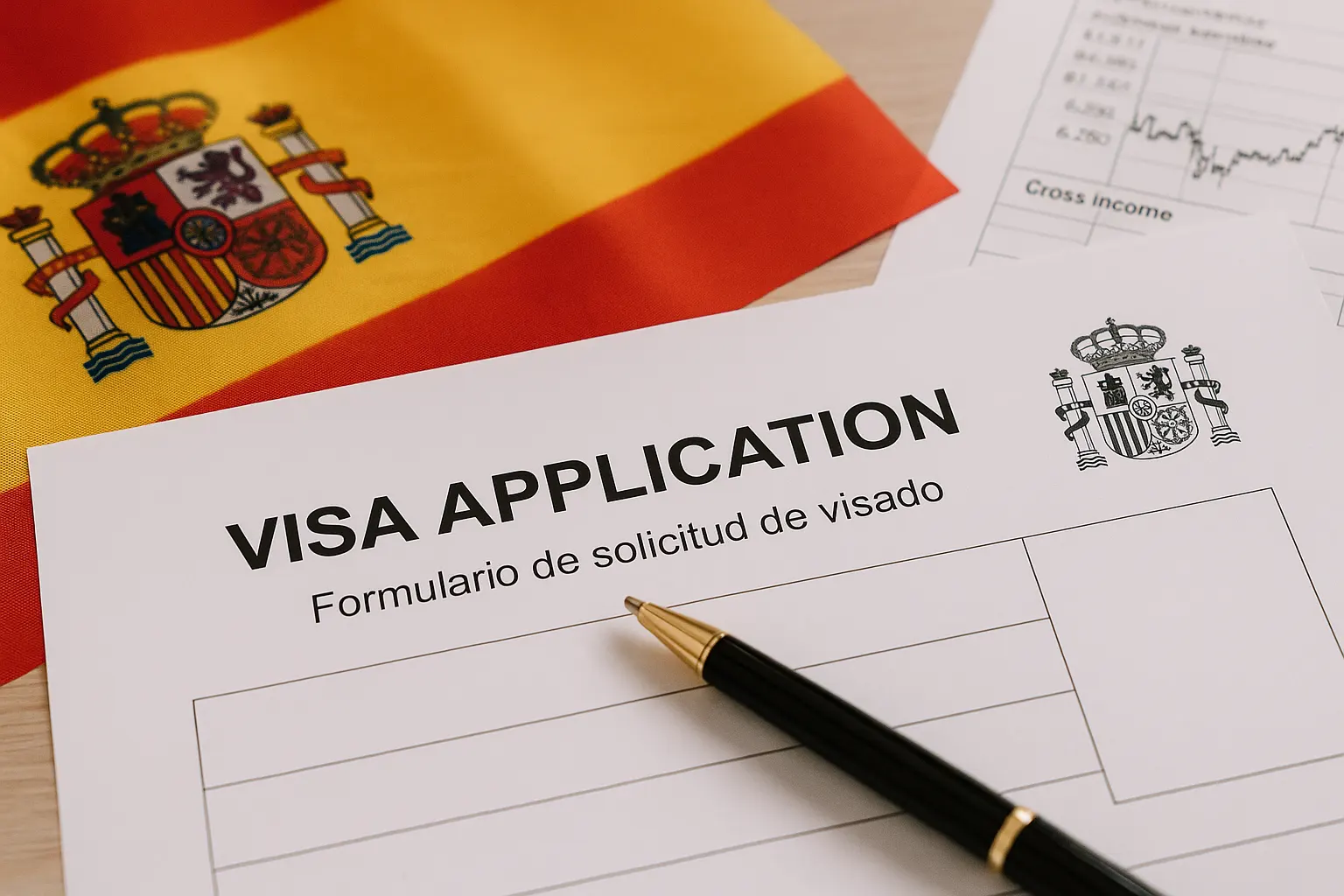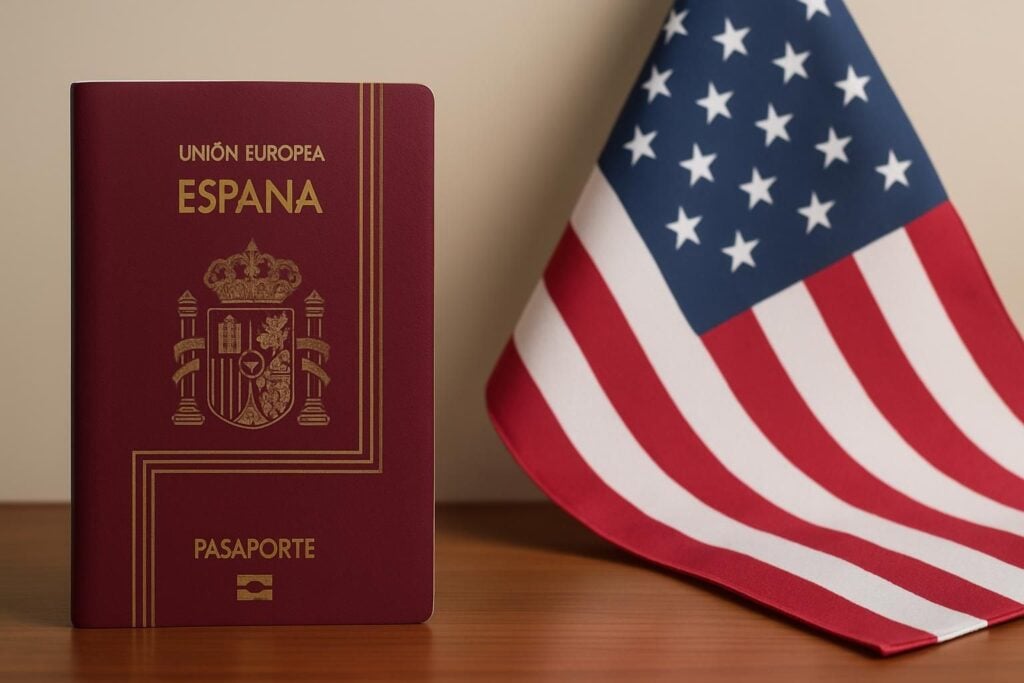

Executive Summary / TL;DR
In 2026, American applicants seeking Spanish citizenship have various tailored pathways to explore. This article outlines seven essential criteria and processes for gaining citizenship, emphasizing how retirees, students, and remote workers can optimize their application strategies. Understanding regional differences across Spain’s autonomous communities is crucial, as these can significantly affect the requirements and processes. From leveraging Spain’s quality of life to strategic educational opportunities and digital nomad regulations, this guide provides a comprehensive roadmap for success.
Understanding Spanish Citizenship
Spanish citizenship represents more than just a legal status; it opens doors for American applicants to enjoy the cultural richness, robust healthcare systems, and lifestyle benefits that Spain offers. In 2026, the significance of obtaining Spanish citizenship lies in the right to live, work, and access services within Spain and the European Union (EU). This duality presents a unique value proposition for many Americans who wish to immerse themselves in European culture, whether for retirement, education, or remote work. Furthermore, the application process has been strategically tailored to different demographics, making it essential for applicants to understand their options thoroughly. Grasping the dual benefits of cultural immersion and economic opportunity provides a compelling reason for many to pursue this avenue.
Tailored Pathways for Americans
Given the diverse motivations for seeking Spanish citizenship, it is important to explore specific pathways that cater to various demographics, including retirees, students, and remote workers. Each group has unique benefits and challenges that can impact their success in obtaining citizenship. By understanding how these pathways are structured, applicants can make informed decisions that best suit their circumstances.
Spanish Citizenship for Retirees
For retirees, Spain offers an appealing lifestyle characterized by a warm climate, rich history, and an emphasis on quality of life. The benefits of applying for citizenship are notably attractive, making Spain a prime choice for those looking to enjoy their golden years in a vibrant setting:
-
Healthcare Benefits: Spain’s universal healthcare system is regarded as one of the best globally, providing retirees with access to essential medical services. Not only does this system ensure that retirees can receive high-quality medical care, but it also alleviates financial stress, as healthcare costs are generally lower compared to the U.S. This can be especially beneficial for retirees on fixed incomes.
-
Cost of Living: Many regions in Spain offer a lower cost of living compared to major American cities. For example, areas like Valencia and Malaga provide affordable housing, inexpensive dining options, and lower transportation costs. This economic viability can greatly enhance a retiree’s financial planning, allowing them to stretch their savings further.
-
Cultural Immersion: Obtaining citizenship allows retirees to participate fully in the cultural and social life of Spain, enriching their retirement experience. Whether it’s attending local festivals, joining community classes, or simply enjoying the tapas culture, the opportunities for engagement are vast.
Citizenship by residence has no minimum income threshold: retirees must have lived in Spain legally and continuously immediately before applying (10 years as a general rule), show good civic conduct and pass the DELE A2 and CCSE tests. Additionally, many retirees may want to consult financial advisors familiar with both American and Spanish tax laws to ensure compliance and optimal financial planning.
Spanish Citizenship for Students
American students seeking Spanish citizenship can capitalize on educational pathways that offer immersive experiences. Programs such as study abroad and student exchange initiatives serve as gateways to citizenship. These educational experiences not only enhance personal development but also serve as a strategic pathway to establishing residency:
-
Educational Exchanges: Participation in programs through U.S. universities can enhance academic qualifications while facilitating residency. Schools often have partnerships with Spanish institutions, making the transition smoother and more beneficial academically.
-
Language Proficiency: Living in Spain provides students with an opportunity to learn the language, improving their integration into society and future job prospects. Proficiency in Spanish is not only beneficial academically, but also enriches social interactions, making both friendships and professional networking easier.
-
Work Opportunities: Many student visas allow part-time work, helping students gain financial independence and professional experience. This could range from internships related to their fields of study to earning money through local retail or hospitality jobs.
Once students have successfully completed their programs, they can apply for citizenship through naturalization after maintaining legal residency, which can greatly expedite their transition from student to citizen. For those who plan on pursuing postgraduate studies, this could be an excellent segue into a long-term life in Spain, as they can commence the naturalization process soon after, often retaining their student residency status for further education.
Spanish Citizenship for Remote Workers
Remote workers represent a growing demographic that can benefit from Spain’s digital nomad visa program. This initiative allows individuals to live and work in Spain for extended periods, appealing to those in the tech industry or other sectors that support remote capabilities:
-
Enhanced Flexibility: The digital nomad visa enables remote workers to live in Spain while continuing their employment with non-Spanish companies. This means individuals can enjoy the benefits of living in a picturesque Spanish town without the need to transfer their job to a local company.
-
Simplified Residency Process: The streamlined application process is tailored to those with employment flexibility, reducing bureaucratic barriers. This straightforward approach encourages more individuals to consider Spain as their temporary or permanent home.
-
Cultural Integration: Living in Spain allows remote workers to immerse themselves in the local culture, which can be beneficial for personal and professional development. The exchange of ideas and cultural viewpoints can enrich one’s professional life in unexpected ways, broadening horizons and potentially leading to new business opportunities.
Applicants for this visa must demonstrate sufficient income to sustain their stay and will typically need to provide proof of employment and health insurance. Moreover, some remote workers might want to join local expat groups or communities to build social connections and networks, which can significantly improve their overall experience in Spain.
Regional Differences in Application Requirements
The application requirements for Spanish citizenship can significantly vary across Spain’s autonomous communities. These differences necessitate a deep understanding of local regulations and practices to avoid common pitfalls within the application process:
-
Documentation Specificity: Some regions may require additional documentation or specific proof of residency skills. For example, the Basque Country may entail different proofs of language or community engagement. Being prepared with local knowledge can considerably expedite the application process.
-
Language Proficiency Standards: Language testing does not vary by region: throughout Spain, applicants take the DELE A2 (or higher) and the CCSE, and no regional language is required.
-
Processing Times and Fees: The application fee is the same throughout Spain (form 790-026, €104.05), while processing times can vary, impacting a candidate’s timeline for citizenship. Regions like Madrid tend to have a higher volume of applications, which may result in extended processing times. Prospective applicants should be prepared for varying timelines, including potential rapid processing options in less populated regions.
For instance, the requirements, tests and fees are the same in Catalonia and in Madrid, because nationality is a matter for the State. Understanding these regional nuances can bolster applicants’ chances of success, helping them navigate the often-complex bureaucratic landscape. Prospective applicants should consult with local authorities or immigration professionals to ensure they meet their region’s specific requirements. Engaging with local lawyers specialized in immigration can further enhance the likelihood of success, as they are well-versed in the intricacies of the local laws and can provide tailored guidance.
Key Takeaways
In summary, American applicants pursuing Spanish citizenship in 2026 should consider the following essential elements:
-
Identify the right pathway: Tailored options exist for retirees, students, and remote workers. Each route has its distinct advantages and clarifies the necessity of understanding your unique situation before proceeding with applications.
-
Understand regional differences: Laws and requirements can vary significantly by autonomous community. Make sure you are well aware of localized practices to avoid unnecessary delays and complications in your application.
-
Be proactive and detailed: Gather all necessary documentation and ensure compliance with local expectations to mitigate any potential pitfalls. A meticulous approach not only helps in being thorough but also could lead to faster processing times.
By paying attention to these factors and engaging in meticulous planning, applicants can enhance their chances of converting their Spanish aspirations into reality. It’s wise to stay informed about any changes in regulations that might affect the naturalization process, as immigration policies can shift in response to global events.
Frequently Asked Questions (FAQ)
Below are some common questions that Americans may have regarding Spanish citizenship in 2026:
What are the primary benefits of obtaining Spanish citizenship?
Spanish citizenship provides access to the EU, allowing freedom of movement across member states, as well as the right to live and work in Spain. Additionally, it offers healthcare and social benefits. The advantages also extend to educational opportunities for families, as children can attend local schools without facing further bureaucratic hurdles.
Can Americans retain their U.S. citizenship after acquiring Spanish citizenship?
Not under Spanish law. Although the United States allows dual citizenship, Spain requires Americans who acquire Spanish citizenship by residence to renounce their previous nationality (art. 23.b of the Civil Code), because the US is not among the countries exempt from this rule. This dual identity can be particularly beneficial for Americans looking to maintain ties while immersing themselves in Spanish culture.
How long does the application process take?
The citizenship process can take anywhere from a few months to several years, depending on the individual’s circumstances and the region of application. It is essential to check with local authorities for specific timelines. Individuals can sometimes expedite their application through legal counsel or by ensuring their documentation is flawless from the start.
Conclusion and Call to Action
As we move through 2026, the opportunities for obtaining Spanish citizenship continue to expand, especially for American applicants. By leveraging specific pathways designed for their unique situations—be it retirement, education, or remote work—applicants can strategically navigate the complexities involved in the application process. It’s vital to stay informed and proactive about regional differences to ensure a successful application.
Don’t hesitate to reach out for personalized guidance on your citizenship journey. Get your Free Consultation with our team today; take the first step towards securing your place in Spain and embracing all the incredible opportunities that come with it.
Citations
This text references the following articles:
-
Spanish Citizenship by Residency: [2026 Updated Guide] — “# Spanish Citizenship by Residency ## Get legal assistance Choose your service / Seleccione su servicio In-Office Consultation | Consulta en la Oficina [CEO] Online Consultation | Consulta Online…”
-
How to Get Spanish Citizenship: Requirements & Legal Process — “For example, as a general rule, foreigners who have lived in Spain for 10 years can get citizenship by residency. Some lesser-known paths include: citizenship …”
-
How to Get Spanish Citizenship | 4 Paths to Become an Spanish Citizen — “Spain offers more than one way to become a citizen. There are 3 primary paths to get Spanish citizenship. The first step when learning how to get Spanish …”
-
Spanish 2-Year Citizenship via American Options – Spain — “# [Spanish 2-Year Citizenship via American Options](https://community.nomadgate.com/t/spanish-2-year-citizenship-via-american-options/56255) [Residencies &…”
-
Moving to Spain from the US: The ultimate guide for expats (2026) — “# Moving to Spain from the US: The ultimate guide for expats (2026) Options include the non-lucrative visa for retirees (€28,800+ annual income), digital nomad visa for remote workers, work visa with…”