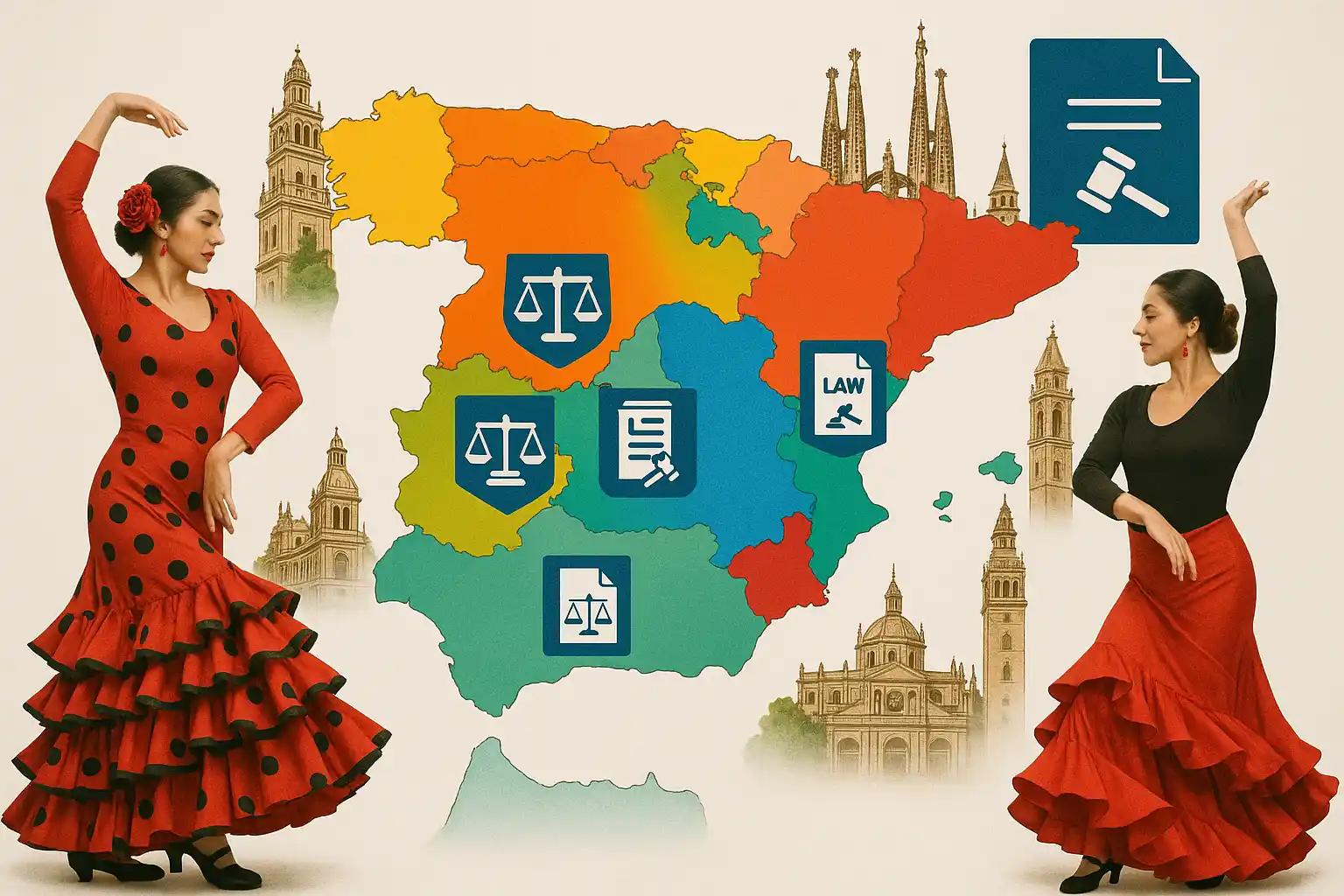

Executive Summary
In 2026, Spain has emerged as one of the best places for black families to live in the world, offering rich cultural experiences, educational opportunities, and a vibrant community. This comprehensive guide provides cultural integration tips specifically designed for black families, emphasizing the importance of mentorship and real-life success stories. By embracing local customs, accessing community resources, and building support networks, families can thrive in their new environment. The insights gained through interviews with successfully integrated families will serve as a roadmap to navigate challenges and optimize their experience in Spain.
Understanding Cultural Integration
Cultural integration is a vital aspect for families relocating to a new country, allowing them to adapt and flourish within a different cultural context. For black families moving to Spain, this process encompasses understanding and respecting local traditions while preserving one’s own cultural heritage. The significance of cultural integration cannot be understated; it lays down the groundwork for familial bonding, emotional stability, and successful social engagements.
What is Cultural Integration?
Cultural integration refers to the process whereby individuals or groups from different backgrounds adopt cultural aspects of another society while maintaining their unique cultural identity. This dual engagement is crucial for establishing a sense of belonging in the new community. Integration includes engaging with local customs, traditions, and languages which, in the case of black families in Spain, often involves navigating both celebratory diversity and confronting challenges related to racism and cultural misunderstandings. For example, engaging deeply with local dialects and idioms can open doors to friendships that enhance their experience.
Why It Matters for Black Families
For black families in Spain, cultural integration significantly enhances their ability to connect with their new environment. It fosters diversity within schools and communities and facilitates community support. These support systems are essential for emotional wellness and navigating daily life. By integrating into Spanish culture, families can:
-
Build relationships with neighbors and local residents, fostering a sense of safety and belonging.
-
Access broader educational and career opportunities that may only be available through local networks.
-
Create social networks that celebrate both their heritage and new traditions, enriching their family life and friendships.
Real-Life Success Stories
The experiences of black families who have successfully adapted to life in Spain provide valuable insights and inspiration for newcomers. These narratives highlight the strategies employed to embrace their new culture while keeping their identity intact, constructing a compelling mosaic of resilience and success.
Adapting to Local Culture
In a recent interview with the Mendez family, who moved from the United States to Barcelona, they shared how participating in local festivals helped them immerse themselves in the community. “Cultural events like La Mercè allowed us to interact with locals and appreciate the diversity and vibrancy of Barcelona,” shared Maria Mendez. They discovered that showing genuine interest in local traditions greatly facilitated their acceptance.
The family quickly learned the importance of local customs, such as enjoying communal meals during family gatherings and engaging in outdoor celebrations like flamenco festivals, which are both entertainment and another avenue for cultural education. Meals, for instance, are often communal affairs filled with storytelling, music, and laughter, which greatly eased their adjustment process. This type of involvement not only helped them adapt but also gave them a deeper appreciation of Spanish culture, allowing them to blend their traditions with Spanish customs.
Building Support Networks
Establishing a support network in Spain is another crucial step for black families. The Johnsons, a family who settled in Madrid, emphasized the importance of mentorship in their integration journey. “We sought out local organizations focused on supporting black families, and it made all the difference,” said Malik Johnson. By aligning themselves with organizations like the Spanish Organization for Black Awareness (SOBA), they were able to benefit from tailored advice on legal matters, housing preferences, and emotional support.
Resources such as cultural organizations and community centers provide opportunities for mentorship, helping families navigate schooling, housing, and social interactions. These networks also create events to celebrate black culture, which helps forge connections and serves as a pillar during challenging times. Numerous community action days promote awareness about the needs of black families, ensuring that they remain visible and heard within the larger society.
Practical Tips for Daily Life
Navigating daily life in Spain can seem daunting; however, with the right information, black families can find a sense of belonging and ease in their new environment. Below are several key factors that can help families transition smoothly. Each tip is designed to not only facilitate daily life but to enhance cultural understanding and community involvement.
Navigating Education Options
Understanding the educational landscape is a priority for families. Schools in Spain provide various options, including:
-
Public Schools: Free access to education, typically offering a Spanish curriculum. They promote integration through localized educational programs and activities that encourage cultural sharing among peers.
-
Private Schools: Paid options that often include international programs and bilingual education. These schools can provide a broader international perspective, accommodating various cultural values.
-
International Schools: Institutions that offer curricula in English and are popular among expatriates. Understanding how these schools integrate Spanish culture into their curriculum is vital for children’s comprehensive learning experiences.
Families should research schools in their chosen neighborhoods carefully, prioritizing those with diverse student bodies and considering how each school fosters inclusivity, multicultural perspectives, and supports students from various backgrounds. Engaging with local parent groups can offer a wealth of first-hand insights into the experiences of black families within the educational system.
Choosing the Right Neighborhood
Selecting a family-friendly neighborhood that prioritizes diversity is crucial for fostering a sense of community. When choosing a neighborhood, families can consider areas known for their inclusivity and multicultural vibe, such as:
-
Malasaña, Madrid: A vibrant area with a bohemian atmosphere, rich in culture and history. Known for its eclectic cafes and active art scene, Malasaña encourages residents of all backgrounds to engage in artistic expression.
-
La Barceloneta, Barcelona: Known for its diverse community and great beach access, it also offers a lively social scene, with many cultural festivals that promote inclusivity and community solidarity.
-
El Raval, Barcelona: An area celebrated for its multicultural identity and artsy undertone, El Raval is home to various cultural institutions dedicated to serving diverse populations.
These neighborhoods not only offer safe environments conducive to family life but are also rich with community resources that support black families, making them ideal places to settle down and flourish.
Accessing Local Resources
Connecting with local resources both online and in-person can greatly enhance a family’s experience. Understanding where to find support systems is essential for integration. Some useful directories and platforms include:
-
Facebook Groups: Numerous community groups where families can share experiences and advice, allowing for real-time updates and friendship cultivation.
-
Meetup: A website to find local gatherings, events, and activities tailored to diverse communities, including book clubs, parenting groups, and cultural celebrations.
-
Local Community Centers: Facilities offering cultural events, workshops, and community gatherings that foster connection and understanding among diverse populations.
These platforms are critical in helping families engage with local businesses and cultural events that foster community spirit. Their combined resources can be a powerful lifeline for families seeking to develop friendships and support networks.
Key Takeaways
As black families in 2026 consider relocating to Spain, the following points should guide their journey:
-
Prioritize cultural integration: Engage with local customs while celebrating your heritage, as this balance enriches both your family life and the community.
-
Build community networks: Look for mentors and community organizations that understand your needs; these connections can provide invaluable support in practical and emotional matters.
-
Explore educational options: Assess the local school systems to find the best fit for your children, focusing on programs that promote diversity and inclusion.
-
Choose diverse neighborhoods: Let community involvement and inclusivity guide your housing decisions, ensuring that your family feels at home.
Frequently Asked Questions
Here are answers to some common questions about life in Spain for black families:
What are the main cultural differences I should be aware of?
Spanish culture emphasizes family, social interactions, and public celebrations. These elements create a warm and welcoming atmosphere that might be different from what some families are accustomed to. Learning local customs, such as greeting with a kiss or engaging in communal meals, can ease integration significantly.
How can I find support as a black family in Spain?
Join local organizations, attend community events, and connect with other families through social media platforms. Building a network will offer emotional support as well as practical advice, thus empowering your family’s adaptation journey.
What resources are there for black children in schools?
Seek schools that promote diversity and inclusion; many educational institutions have dedicated programs for marginalized groups. Connecting with local community organizations focused on education can also provide additional resources and networking opportunities.
Call to Action
If you are considering a move to Spain, take proactive steps towards cultural integration and community engagement. Embrace the opportunity to build a new life while maintaining your unique identity. Get In Touch! Contact us today for further information on resources tailored for black families ready to make Spain their new home.
Citations
This text references the following articles:
-
Expat Tips and Cultural Insights for Integrating into Spain — “In this guide, we will explore how to successfully integrate as a foreigner in Spain, with helpful social integration tips for expats, language advice, and …”
-
Top Cultural Integration Tips for Expats in Spain — “In this blog, we’ll explore five essential cultural integration tips—from embracing Spanish social norms to navigating the country’s complex …”
-
Living and Traveling in Spain as a Black Person — “We’re Dani and Claudia, two American expats with a love of Spain. Let us be your guide to Spanish culture, language-learning, living abroad.”
-
Navigating Spanish Culture and Customs: Essential Tips … — “In this article, we will provide essential tips and insights to help newcomers navigate Spanish culture and customs, ensuring a smoother transition.”
-
Black in Spain: Advice for Black American Travelers — ” Black in Spain: Advice for Black American Travelers”