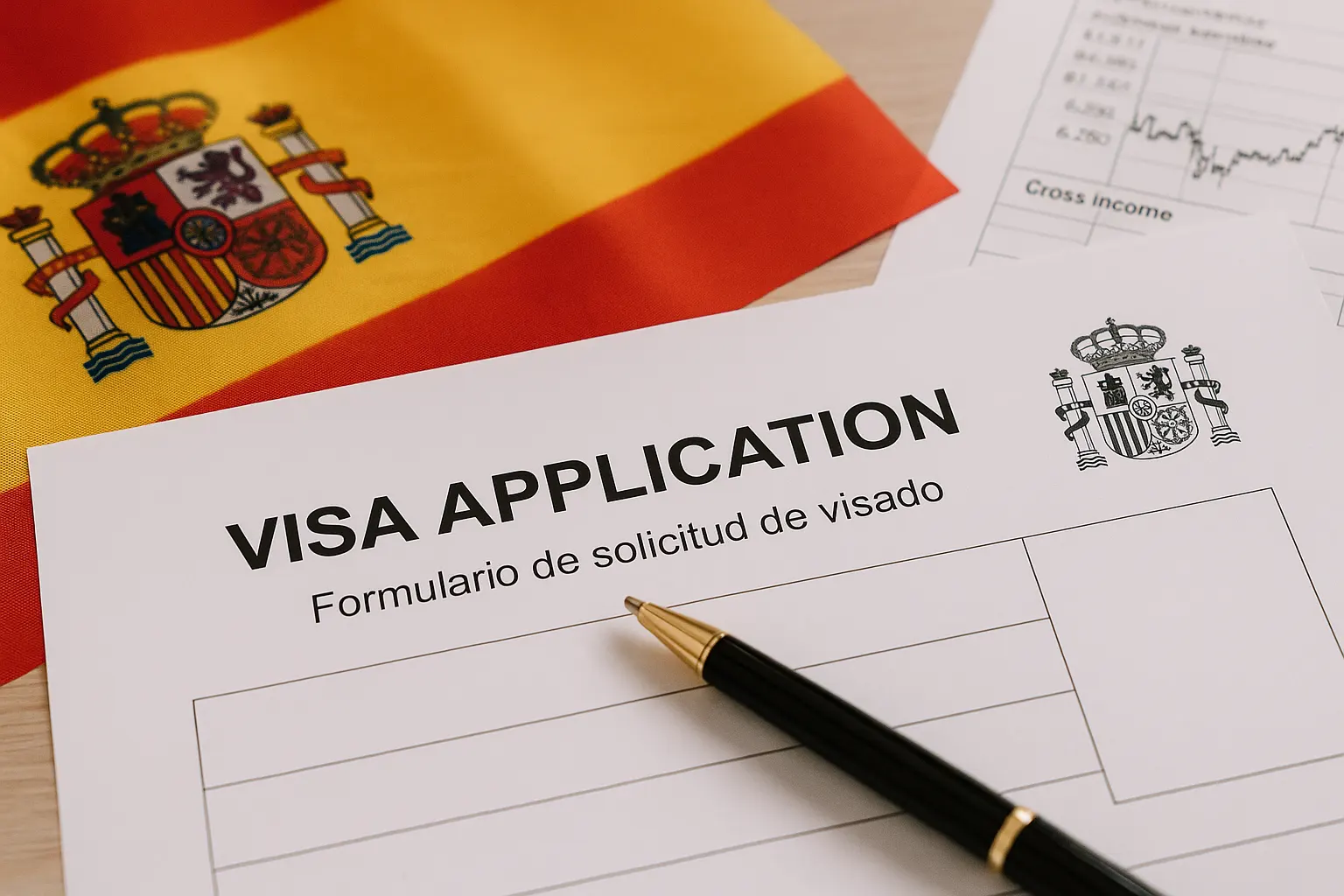

Key Changes in Rights of Foreigners in Spain for 2026
As of 2026, the rights of foreigners in Spain have seen significant updates that affect the legal protections and frameworks governing expatriates. With ongoing adjustments in immigration policies, understanding these changes is crucial for individuals navigating the complexities of living and working in Spain. This article will explore these key updates, revealing the nuanced legal landscape that foreigners must understand to optimize their experience and enhance their rights while residing in Spain.
Overview of Legal Protections
Foreigners in Spain enjoy a variety of legal protections that align with European Union regulations, as well as Spain’s national laws. The legal framework is designed not only to welcome expatriates but also to safeguard their rights throughout their residency. Understanding these legal protections is paramount for any foreign national. In 2026, these rights have been reinforced and clarified, facilitating better integration and enhancing foreign nationals’ quality of life.
-
Right to Non-Discrimination: Foreigners are shielded from discrimination based on nationality, ethnicity, or language, ensuring that they can work and live free from bias. This right is critical as it encourages a multicultural society and promotes equal opportunities in employment, education, and public services.
-
Access to Health Services: Foreigners participating in the social security system are granted the same healthcare access as Spanish citizens. In 2026, this includes not only emergency services but also preventive care and specialized treatments, which are vital for ensuring a healthy lifestyle in their host country.
-
Protection Against Expulsion: Non-EU citizens cannot be expelled without due process, which includes the right to legal representation. This is essential for safeguarding the stability and security of foreign nationals, allowing them to regard Spain as a viable long-term residence.
Recent Amendments to Immigration Law
The immigration law changes in 2026 reflect Spain’s evolving relationship with international communities and have been significantly improved to facilitate smoother transitions for expatriates. New regulations have been implemented to expedite and simplify the approval processes for work permits and residence applications, especially for skilled workers and professionals. These reforms are structured to attract talent and economic investment into Spain, responding to labor market needs.
Key amendments include:
-
Fast-Track Work Permits: Certain professionals, particularly in technology and healthcare, may find expedited paths to securing work permits. This initiative not only helps the Spanish economy by swiftly placing skilled workers where they are needed but also respects the urgency that many professionals might have when relocating for employment.
-
Increased Transparency: Enhanced digital resources provide clearer guidelines and timelines for permit applications. By ensuring that applicants can easily access information, the likelihood of errors in submissions is reduced, making the process more efficient for both applicants and immigration authorities.
-
Bilateral Agreements: New agreements with various countries have simplified processes for their nationals, easing the burden of paperwork and requirements. These agreements strengthen international relations and facilitate a smoother migration process for millions of individuals seeking opportunities in Spain.
Nationality-Specific Case Studies
A look into how different nationalities navigate the changing landscape of rights reveals the varying experiences of foreigners in Spain. This case study approach aims to illustrate both challenges and opportunities faced by foreigners based on their national origins while shedding light on the impact of 2026 laws implemented to support them.
Case Study: Experiences of Foreigners from the USA
For American expats, understanding the work permit process is crucial for a successful transition. The previous bureaucracy has seen reforms, enabling many Americans to secure their residency and work smoothly, fostering a favorable environment for skilled professionals.
-
Application Process: The U.S. Embassy in Spain provides resources that guide Americans on applying for permits, ensuring they are well-informed about their rights. This guidance is vital, as it includes the latest updates on policies and necessary documentation, preventing delays in applications.
-
Success Stories: Many Americans have leveraged Spain’s thriving tech scene, benefiting from fast track permits geared particularly towards technology professionals. Certain success stories include tech startups founded by American nationals, which capitalize on Spain’s welcoming environment for innovation, thus highlighting the positive impact of legal reforms.
-
Community Support: Networks exist that guide U.S. nationals through the legal frameworks. Expat organizations and local expat forums provide an invaluable resource base, ensuring they comprehend their protections and obligations while also facilitating cultural exchange and community building.
Case Study: Experiences of Foreigners from Eastern Europe
Eastern European nationals have historically faced unique challenges in Spain, including misconceptions about their rights and employment opportunities. However, recent legal protections have significantly bolstered their rights, creating a more inclusive environment.
-
Employment Rights: Workers from countries like Poland and Romania now have access to better employment protections, ensuring fair treatment in the workplace. This includes minimum wage adherence and protection against unjust termination, translating to a more secure working environment.
-
Social Integration Programs: Recent amendments have introduced initiatives aimed at supporting the integration of Eastern European foreigners into Spanish society. For example, language classes and cultural orientation sessions funded by the government help these individuals adapt more swiftly to their new surroundings.
-
Legal Aid Accessibility: Increased access to legal aid ensures that these nationals have support systems in place to proactively address grievances related to discrimination or labor rights. Furthermore, this accessibility elevates awareness of their rights, fostering a sense of empowerment.
Navigating the Work Permit Application Process
The work permit application landscape in Spain has evolved significantly, yet challenges persist, particularly for first-time applicants. Understanding the nuances of this process is essential for foreigners seeking to work legally in Spain, as the bureaucracy, while streamlined, still demands attention to detail and adherence to protocol.
eligibility requirements
To apply for a work permit, foreign nationals must meet specific eligibility requirements, which are crucial to ensure compliance with Spanish laws. In 2026, these requirements have been clarified to alleviate confusion:
-
Valid Passport: Applicants must hold a passport that is valid for at least a year from the application date to ensure they will remain eligible throughout the process.
-
Job Offer: A formal job offer from a Spanish employer is fundamental, along with an employment contract outlining the job’s specifics. This reinforces labor market regulations that protect both worker and employer interests.
-
Qualifications: Applicants must possess necessary qualifications or experience pertinent to the offered role, as validated by relevant authorities. For specialized professions, such as in engineering or medicine, this may also include licenses recognized by Spanish professional bodies.
-
No Criminal Record: Proof of no significant criminal record is often required, ensuring the applicant meets legal standards. Background checks aim to maintain public safety, making this a critical facet of the application process.
Application Steps and Best Practices
Navigating the work permits process can seem daunting. Here’s a structured approach to maximize your chances of success, ensuring that applicants prepare thoroughly and follow best practices:
-
Research: Understand the specific permit type you need based on your employment offer (e.g., Skilled Worker, EU Blue Card). Each category has unique criteria, so ensuring you know which one fits your situation is critical.
-
Document Preparation: Gather all necessary documentation, including translations when required, which are often mandated to validate your qualifications and work experience effectively. Additionally, confirming that all documents are up to date can prevent delays.
-
Submit Application: Apply through the appropriate government channels such as the Ministry of Inclusion, Social Security and Migration, ensuring you meet deadlines and requirements. Double-check for any special forms or prerequisites specific to your job sector.
-
Follow Up: Stay in regular contact with the authorities or legal representatives to track your application status. It is advisable to keep detailed records of all correspondence and comply promptly with any requests for additional documentation.
-
Seek Legal Advice: Consider consulting legal experts to navigate complex cases or to ensure optimal compliance. Qualified immigration lawyers can provide tailored advice and significantly bolster your chances of a successful application.
Legal Expert Insights
Insights from legal experts in expatriate law can bridge gaps in knowledge and empower foreign nationals to fully understand and navigate their rights in Spain. In 2026, the availability of such expertise has become increasingly accessible, aiding in demystifying complex legal terminology and procedures.
Common Misconceptions about Foreigners’ Rights
Many expatriates harbor misunderstandings about their rights in Spain. Addressing these myths is crucial for fostering confidence and encouraging informed citizenship.
-
Myth: Foreigners don’t have rights: This is false; foreigners have access to numerous legal protections against discrimination and injustices, including avenues for reporting infringements without fear of retaliation.
-
Myth: Work permits are impossible to obtain: While the process is complex, the reforms indicate a growing willingness to streamline approvals. Understanding the correct steps and having the right documentation can make the process manageable.
-
Myth: Legal assistance is unnecessary: Engaging legal professionals can significantly bolster your application’s success. Many cases that appear straightforward could have underlying complexities that require expert navigation.
Tips for Protecting Your Rights
Protective measures can greatly enhance your legal standing as a foreigner in Spain. Here are actionable tips to safeguard your rights and ensure compliance with Spanish law:
-
Document Everything: Maintain records of all communications with employers and authorities. A well-organized file can be invaluable should disputes arise or legal clarification be needed.
-
Engage with Community Resources: Utilize expat support groups, both online and offline, for shared experiences and advice. Many communities host local events, forums, and workshops aimed at integrating foreigners and sharing knowledge.
-
Stay Informed: Keep abreast of changes in immigration law and regulations impacting your rights. Subscribing to newsletters and following relevant legal blogs or social media channels can be beneficial for staying updated.
Key Takeaways
In 2026, the rights of foreigners in Spain have been significantly shaped by policy changes that enhance protections and streamline processes. These developments show a commitment to inclusivity and to encouraging the contributions of foreign nationals. From nationality-specific case studies illustrating real experiences to expert insights providing clarity on misconceptions, it’s clear that understanding one’s rights and responsibilities in Spain is crucial for all foreign nationals. The reforms aim not just to simplify the work permit application process but also to ensure that foreigners can thrive in their new environment, cultivating a diverse and dynamic society.
Frequently Asked Questions (FAQ)
What are the most important rights for foreigners in Spain?
Key rights include non-discrimination, access to health services, and protection against immediate expulsion without due process, among others. This legal framework is designed to foster equality and provide essential support to all residents.
How can I apply for a work permit?
To apply for a work permit, you need a valid job offer, fulfill eligibility criteria, and submit the proper documentation to the corresponding authorities. Each application will require due diligence in preparing and submitting relevant documents.
What are the legal protections available to expatriates?
Expatriates in Spain enjoy rights against discrimination, rights to social services, and substantive legal recourse in case of workplace grievances. Engaging with these protections enhances their ability to navigate everyday challenges effectively.
Understanding and leveraging your rights as a foreigner in Spain is essential for your success. For personalized assistance in navigating your unique circumstances, get in touch with us for a free consultation. We are here to help you make the most of your experience and ensure that your legal rights are fully respected.
Citations
This text references the following articles:
-
New Rules for Residency in Spain 2026: RD 1155/2024 Guide — “New rules for residency in Spain under RD 1155/2024: family reform, arraigo changes, digital nomad threshold and STS 731/2023 doctrine.”
-
New Immigration Regulation Spain | Entre Trámites 2026 — “Discover Spain’s new immigration regulation. Key changes for residence, work permits, students, and family reunification.”
-
Spain: Law Regularizing Irregular Foreign Nationals in Effect — “Applicants must have arrived in Spain prior to January 1, 2026, and be able to demonstrate an uninterrupted stay of at least five months …”
-
New Immigration Regulation in Spain: All Changes – Balcells Group — “Foreign nationals who can prove they were in Spain before December 31, 2025, with at least five months of continuous stay, and who have no criminal record.”
-
How to successfully enter and reside in Spain in 2026: legal routes … — “Find out about the most appropriate route of entry: Spain offers multiple routes to obtain residency: study, employment, highly skilled work, …”